Introduction to Packaging Printing for Food Products
Packaging printing for food products is a critical component of the B2B supply chain. Beyond aesthetics, it ensures food safety, regulatory compliance, and brand differentiation. For B2B buyers—whether you’re a food manufacturer, distributor, or retailer—understanding the nuances of food packaging printing can save costs, prevent legal issues, and enhance your product’s market appeal. This guide covers everything from materials and printing techniques to regulatory standards and sustainability trends.
Why Packaging Printing Matters for Food Products
Food packaging serves multiple functions: protection, preservation, information, and marketing. Printing directly impacts all these areas. High-quality printing ensures that nutritional labels, expiration dates, and ingredients are legible, while attractive designs capture consumer attention on crowded shelves. For B2B buyers, the choice of printing method and materials can affect shelf life, production efficiency, and brand reputation.
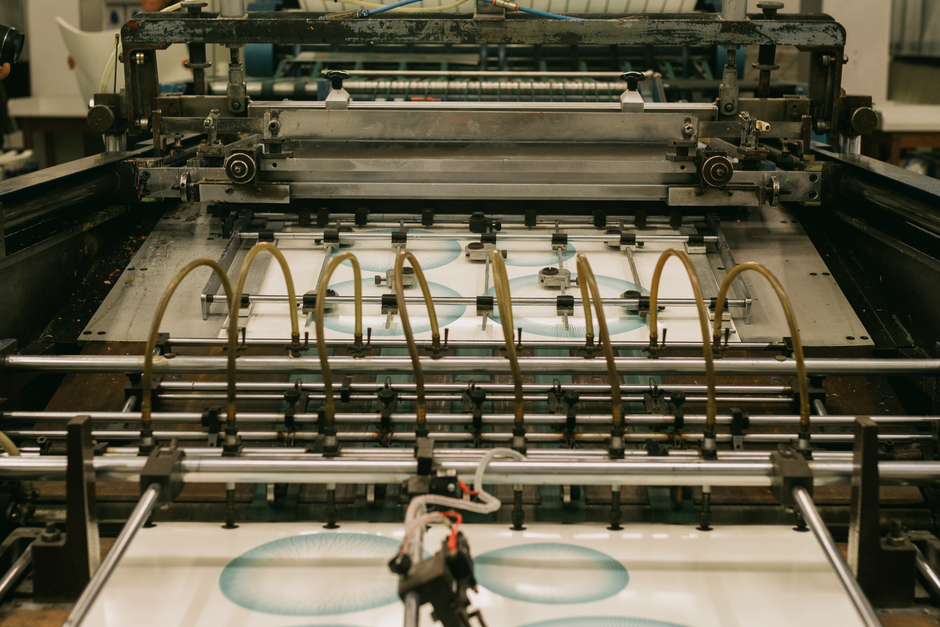
Key Printing Technologies for Food Packaging
Flexographic Printing
Flexography is the most common method for food packaging, especially for flexible films, labels, and corrugated boxes. It uses flexible relief plates and fast-drying inks, making it ideal for high-volume runs. Benefits include cost-effectiveness for long runs and compatibility with a wide range of substrates.
Digital Printing
Digital printing offers quick turnaround times, variable data printing (e.g., batch codes, QR codes), and lower setup costs for short runs. It’s perfect for personalized packaging, limited editions, or test markets. However, it may have higher per-unit costs for very large volumes.
Gravure Printing
Gravure delivers exceptional image quality and consistency, often used for high-end food packaging like premium chocolates or coffee. It’s best for very long runs due to high engraving costs.
Offset Printing
Offset printing is used for cartons, labels, and rigid boxes. It provides sharp, clean images and is suitable for medium to long runs. However, it requires more setup time.
Choosing the Right Substrates for Food Packaging
The substrate—the material on which you print—must comply with food safety regulations and provide necessary barrier properties.
| Substrate Type | Common Uses | Printing Compatibility |
|---|---|---|
| Paper & Paperboard | Cartons, boxes, bags | Flexo, offset, digital |
| Flexible Plastic Films (PE, PP, PET) | Pouches, wraps, liners | Flexo, gravure, digital |
| Aluminum Foil | Laminated pouches, lids | Gravure, flexo (with coatings) |
| Glass | Bottles, jars | Screen printing, digital (UV) |
Consider factors like moisture resistance, oxygen barrier, and recyclability when selecting substrates.
Regulatory Compliance: Food Safety and Labeling
Food packaging printing must adhere to strict regulations to ensure consumer safety and avoid misleading claims.
- FDA Regulations (US): Inks must not migrate into food. Use low-migration inks or apply functional barriers.
- EU Regulations: Similar requirements under EU 10/2011 for plastic materials and printing inks.
- Labeling Laws: Accurate ingredient lists, nutrition facts, allergen warnings, and net weight. Barcodes and lot numbers must be scannable.
- Organic & Non-GMO Claims: Must be certified and clearly printed.
Partner with printers who understand these regulations and can provide compliance documentation.
Ink Selection: Safety and Performance
Inks used for food packaging must be non-toxic, odorless, and resistant to scuffing, heat, and moisture.
- Water-Based Inks: Low VOC, safe for indirect food contact, good for paper.
- UV-Curable Inks: Instant drying, durable, but require proper curing to avoid migration.
- Solvent-Based Inks: Strong adhesion on plastics but may contain VOCs; use with caution.
- Low-Migration Inks: Specifically designed to prevent ink components from transferring to food.
Design Considerations for Food Packaging Printing
Color Accuracy and Brand Consistency
Use Pantone colors for brand logos and ensure consistent color reproduction across different print runs. Request proofs (digital or press) before mass production.
Barcodes and QR Codes
Barcodes must be printed with high contrast and accuracy to scan reliably. QR codes can link to product information, recipes, or traceability data.
Finish Options
Matte, gloss, or soft-touch laminations not only enhance appearance but also protect the print. Spot UV or foil stamping can highlight logos.
Sustainability in Food Packaging Printing
Eco-friendly packaging is a growing demand. Consider these sustainable options:
- Recyclable Materials: Use mono-materials (e.g., all-PE pouches) that are easier to recycle.
- Biodegradable Inks: Soy-based or vegetable-based inks reduce environmental impact.
- Reduce Waste: Optimize design for efficient cutting and minimize overruns.
- Certifications: Look for FSC-certified paper or compostable certifications.
Cost Factors for B2B Buyers
Understanding cost drivers helps you budget effectively:
- Volume: Higher quantities lower per-unit cost, especially for flexo and gravure.
- Number of Colors: More colors increase plate costs and setup time.
- Substrate: Specialty films or coatings cost more.
- Finishing: Lamination, embossing, or foil stamping add cost.
- Lead Time: Rush orders may incur premium charges.
Request quotes from multiple printers and ask about cost-saving opportunities like gang runs or standardized sizes.
Selecting a Printing Partner
Choose a printer with experience in food packaging. Ask about:
- Food safety certifications (e.g., BRC, SQF, ISO 22000).
- Equipment capabilities (substrate types, color management).
- Quality control processes (color matching, barcode verification).
- Sample turnaround and minimum order quantities.
- References from similar food brands.
Common Mistakes to Avoid
- Ignoring Migration Risks: Using standard inks for direct contact packaging can lead to recalls.
- Overlooking Barcode Quality: Poorly printed barcodes cause scanning failures at retail.
- Skipping Pre-Production Samples: Always approve a physical sample before full production.
- Not Planning for Shelf Life: Ink and substrate must withstand storage conditions.
Future Trends in Food Packaging Printing
Stay ahead with these innovations:
- Smart Packaging: QR codes, NFC tags, or temperature indicators printed on-pack.
- Personalization: Digital printing enables unique packaging for different market segments.
- Waterless Printing: Reduces water usage and waste.
- Circular Economy: Design for recyclability and use recycled content.
Conclusion
Packaging printing for food products is a complex but crucial aspect of the B2B food industry. By understanding the technologies, materials, regulations, and sustainability options, buyers can make informed decisions that protect their brand and consumers. Partner with a knowledgeable printer, prioritize compliance, and always test samples. With the right approach, your packaging will not only preserve your product but also elevate it in the marketplace.
Need product recommendations for your market?
Share the categories, quantities and branding direction for a practical proposal.
Start a product brief