Understanding Your B2B Packaging Requirements
Before you start evaluating vendors, clearly define your packaging needs. Consider the product type, dimensions, weight, and fragility. Determine whether you need primary packaging (direct contact with product), secondary packaging (for bundling), or tertiary packaging (for shipping). Also, assess your volume requirements—low-volume startups may need different vendors than high-volume manufacturers. Establish your budget and timeline, and decide on essential features like print quality, material options, and customization capabilities.

Key Factors to Evaluate When Selecting a Packaging Printing Vendor
Print Quality and Technology
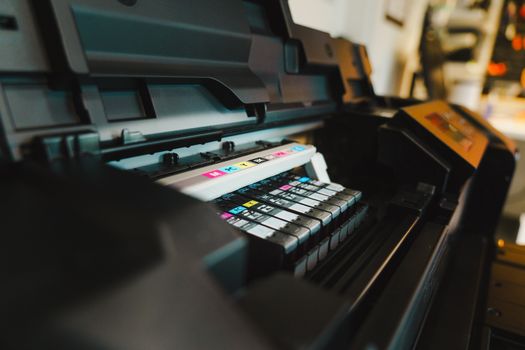
Examine the vendor's printing technology—digital printing offers flexibility for short runs and variable data, while flexographic or offset printing is cost-effective for large volumes. Request samples to assess color accuracy, sharpness, and consistency. Ask about their quality control processes and certifications (e.g., ISO 9001).
Material Selection and Sustainability
A reliable vendor should offer a wide range of materials: corrugated cardboard, paperboard, plastics, and eco-friendly options like recycled or biodegradable materials. Inquire about sustainable practices, such as using soy-based inks and minimizing waste. Many B2B buyers prioritize sustainability to meet corporate social responsibility goals.
Customization and Design Support
Check if the vendor provides in-house design assistance or structural engineers who can optimize packaging for protection and cost. Look for capabilities like custom shapes, embossing, foil stamping, or spot UV coating. A vendor with strong design support can help you create packaging that stands out.
Production Capacity and Lead Times
Assess the vendor's production capacity to handle your order volumes, especially during peak seasons. Ask about typical lead times and whether they offer rush services. Reliable vendors should have backup equipment and contingency plans to avoid delays.
Pricing and Minimum Order Quantities (MOQs)
Request detailed quotes from multiple vendors, comparing unit prices, setup fees, and shipping costs. Be cautious of very low prices that may indicate poor quality. Understand MOQs—some vendors require large minimums, which may not suit smaller businesses. Negotiate terms that align with your budget and inventory strategy.
Customer Service and Communication
Evaluate responsiveness during the pre-sales process. A good vendor will assign a dedicated account manager, provide clear communication, and offer proactive updates. Read reviews or ask for references to gauge their reputation for customer support.

Step-by-Step Vendor Selection Process
- Research and Shortlist: Use industry directories, trade shows, and online searches to find potential vendors. Look for those specializing in your industry (e.g., food, electronics, cosmetics).
- Request for Information (RFI): Send a detailed RFI to gather capabilities, certifications, and sample policies.
- Evaluate Samples: Order sample packs to compare print quality, material feel, and structural integrity.
- Site Visit or Virtual Tour: If possible, visit the facility or take a virtual tour to assess equipment, cleanliness, and workflow.
- Request for Quote (RFQ): Provide precise specifications and volume to get accurate quotes.
- Check References: Contact past or current clients to learn about their experiences.
- Pilot Run: Start with a small order to test processes and quality before committing to large volumes.
Common Pitfalls to Avoid
- Choosing solely on price: Low-cost vendors may compromise on materials or quality, leading to product damage or brand damage.
- Ignoring sustainability: Many B2B buyers now require eco-friendly packaging; failing to offer it can lose contracts.
- Overlooking scalability: Ensure the vendor can grow with your business. A vendor that can't handle increased volumes will force you to switch later.
- Not clarifying intellectual property (IP) protection: If you share proprietary designs, ensure confidentiality agreements are in place.
Comparing Vendors: A Practical Table
| Criteria | Vendor A | Vendor B | Vendor C |
|---|---|---|---|
| Print Technology | Digital & Flexo | Offset & Digital | Flexo only |
| Material Options | Extensive | Moderate | Limited |
| MOQ | 500 units | 1000 units | 2000 units |
| Lead Time | 10-15 days | 7-10 days | 15-20 days |
| Sustainability | High | Medium | Low |
| Price per unit | $0.50 | $0.45 | $0.40 |
Conclusion: Making the Right Choice
Selecting the right packaging printing vendor for your B2B needs requires careful evaluation of quality, capacity, service, and cost. By following a structured process and avoiding common pitfalls, you can find a partner that not only meets your current requirements but also supports your long-term growth. Start by defining your needs, then use the criteria and steps outlined above to compare vendors. Remember, the cheapest option is rarely the best in the long run. Invest time in due diligence to ensure a reliable partnership that enhances your brand and protects your products.
Need product recommendations for your market?
Share the categories, quantities and branding direction for a practical proposal.
Start a product brief