Industry information
Cake Box Quality Standards for International Trade Guide
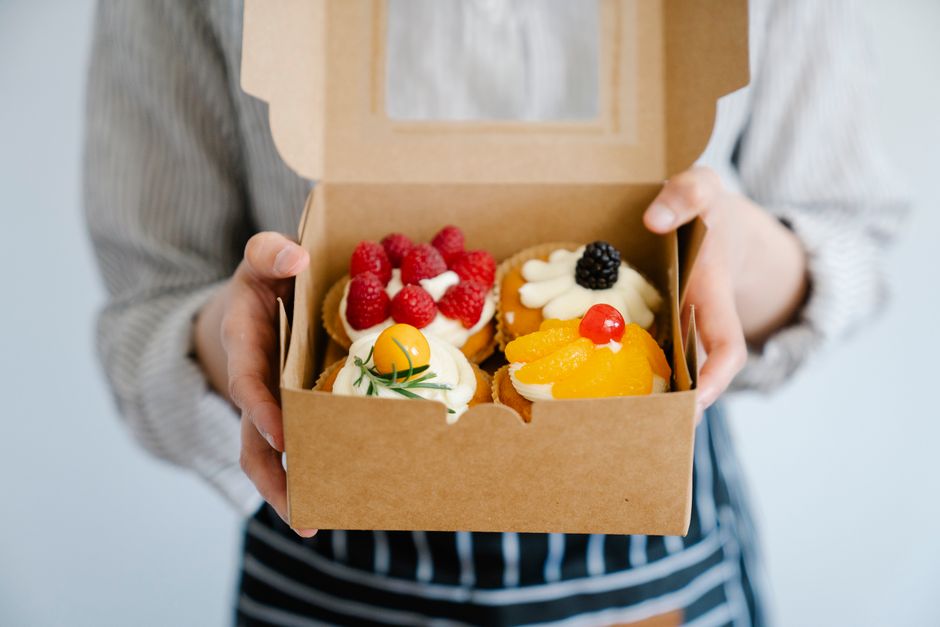
Introduction to Cake Box Quality Standards in International Trade
When exporting cake boxes to global markets, meeting international quality standards is critical for B2B success. Buyers demand packaging that ensures product safety, complies with regulations, and reflects brand value. This guide covers essential quality benchmarks, testing methods, and compliance tips for cake box manufacturers.
Key Quality Parameters for Cake Boxes
Material Safety and Food-Grade Compliance
Cake boxes must be made from food-grade materials that are non-toxic and odor-free. Common materials include cardboard, corrugated board, and Kraft paper. Ensure materials meet FDA (US), EU (EC 1935/2004), or equivalent standards. Request certificates like SGS or TÜV for heavy metals and migration tests.
Structural Integrity and Durability
Boxes must withstand stacking, handling, and transportation. Test for compression strength (e.g., 5-10 kg per box), burst strength, and edge crush resistance. Use corrugated board with appropriate fluting (e.g., B-flute for medium strength, E-flute for lightweight).
Printing and Design Quality
High-resolution printing (minimum 300 DPI) with fade-resistant inks. Ensure color consistency across batches using Pantone matching. Check for smudging, misregistration, or peeling. Lamination or UV coating can enhance durability and visual appeal.
International Standards and Certifications
| Standard | Region | Key Requirements |
|---|---|---|
| FDA 21 CFR | USA | Indirect food contact materials; no toxic migration |
| EU No 1935/2004 | EU | Overall migration limit ≤10 mg/dm² |
| ISO 9001 | Global | Quality management system for consistent production |
| FSC | Global | Sustainable sourcing of paper materials |
Testing and Quality Control Procedures
Incoming Material Inspection
Check raw paper for grammage (e.g., 250-400 gsm), moisture content (5-8%), and tear resistance. Reject rolls with wrinkles or holes.
In-Process Quality Checks
During die-cutting, verify dimensions (±1 mm tolerance), crease line depth, and glue application. Use automated vision systems for defect detection.
Final Product Testing
- Drop test: Drop from 1 meter height; box must not open or tear.
- Vibration test: Simulate transport vibration for 30 minutes; no structural failure.
- Moisture resistance: Expose to 90% RH for 24 hours; check for warping.
Practical Tips for B2B Buyers
When sourcing cake boxes, request samples and third-party test reports. Specify requirements in your purchase order, including material, dimensions, print colors, and packaging (e.g., shrink-wrapped per 100 pieces). Consider lead times (typically 20-30 days) and minimum order quantities (500-2000 pieces).
Common Defects and How to Avoid Them
- Color deviation: Use spectrophotometer for color measurement; approve delta E ≤2.
- Poor glue adhesion: Test glue strength with peel test; ensure glue is food-safe.
- Scratches on print: Use anti-scratch coating or interleaving paper.
Conclusion
Adhering to cake box quality standards builds trust with international clients and reduces returns. Focus on material safety, structural robustness, and consistent printing. Regular audits and certifications like ISO 9001 demonstrate commitment to excellence. For expert guidance, contact our team.
Tags: quality standards
Tags: international trade
Tags: packaging guide
Tags: cake box
Keep reading
All articles