
 繁体中文
繁体中文 简体中文
简体中文
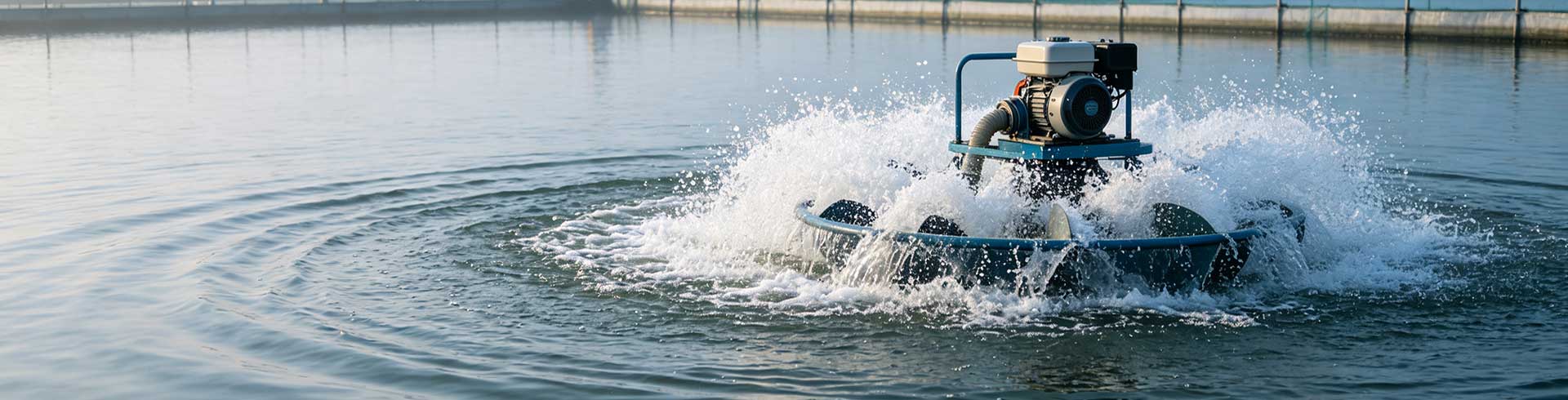

How to choose a breeding aerator? Detailed explanation of 5 key parameters
In aquaculture, the amount of dissolved oxygen is one of the core factors that determine the success or failure of aquaculture. Whether it is high-density intensive farming or extensive farming, an adequate oxygen supply is a prerequisite for ensuring the healthy growth of fish, shrimp and crabs. As a key equipment for maintaining water dissolved oxygen, the choice of aerator is directly related to the farming efficiency. However, in the face of a wide variety of aerators with different parameters on the market, many farmers are often confused: how to choose? This article will start with five key parameters to analyze the selection points of aquaculture aerators in detail and help you make informed decisions.
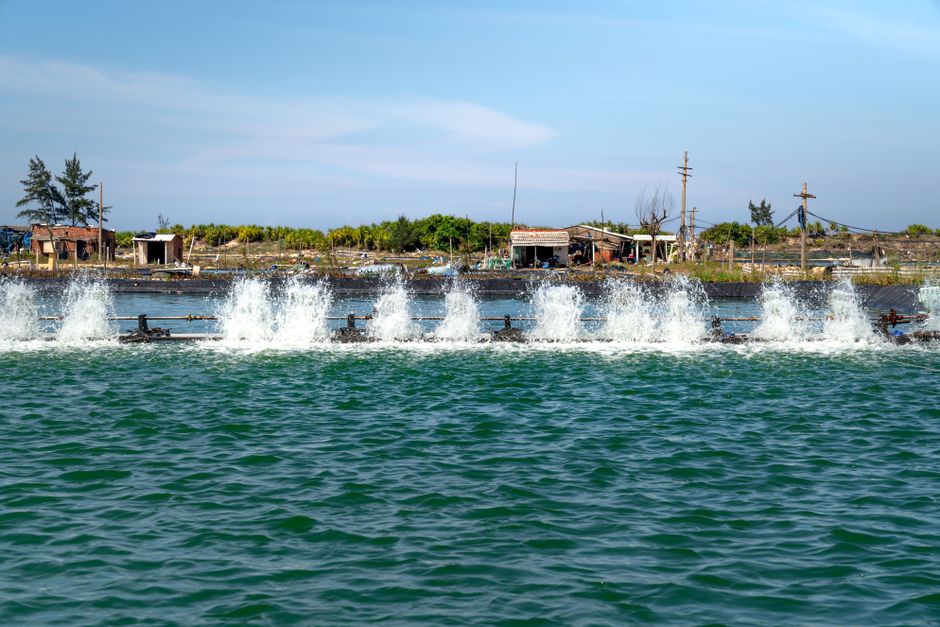
Oxygenation methods: different principles, different application scenarios
The core function of an aerator is to increase the contact area between water and air by physical means, or directly inject oxygen to increase the amount of dissolved oxygen. At present, there are several common aerobic methods, each of which has its own unique advantages and disadvantages and applicable scenarios.
1. Impeller aerator
The impeller-type aerator rotates the impeller through the motor, throwing water into the air to form a splash, increasing the contact area between water and air. It is characterized by high oxygenation efficiency, suitable for deep-water ponds (water depth above 1.5 meters), and can promote convection up and down the water body and improve the bottom quality. However, the impeller-type aerator is noisy and needs to be fixed and installed, so it is not suitable for movement.
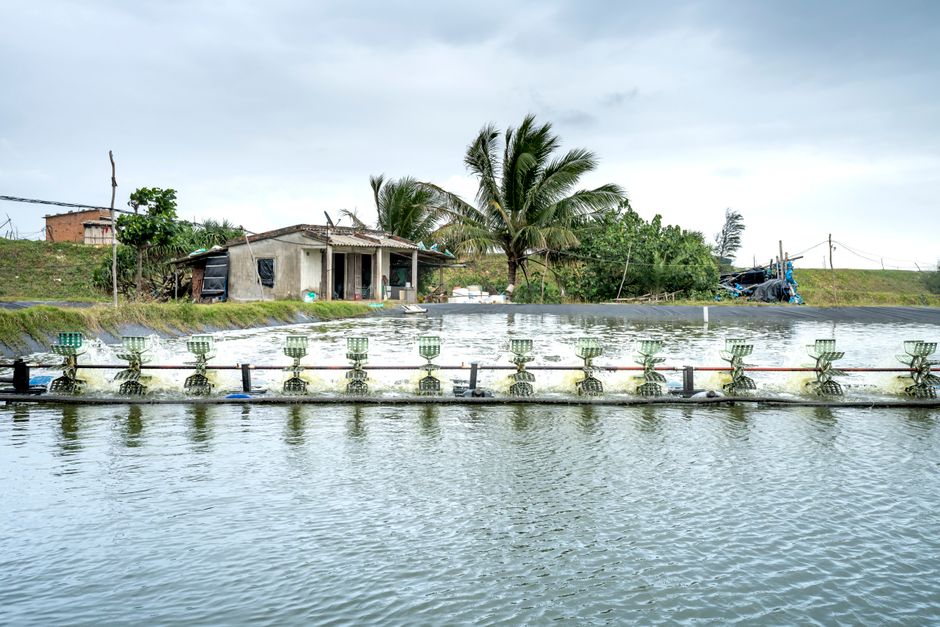
2. Water wheel aerator
The waterwheel aerator generates water flow through the blades, promotes water circulation, and increases dissolved oxygen at the same time. Its advantage is that it can form a directional water flow, which is suitable for breeding shrimp or species that need water flow stimulation, such as prawns, eels, etc. The waterwheel aerator is usually installed at both ends of the pond to form a circulation, which helps collect pollution and improve water quality.
3. Jet aerator
The jet aerator uses a water pump to generate a high-pressure water flow, which forms negative pressure suction air through the nozzle, and then releases it into the water in the form of fine bubbles. It has high oxygenation efficiency and can achieve deep oxygenation, making it suitable for deep water aquaculture or factory aquaculture ponds. The equipment is compact and easy to automate, but the energy consumption is relatively high.
4. Microporous aerator
The microporous aerator presses air into the microporous tube through the blower, releasing tiny bubbles, which disperse upward from the bottom of the pool, and the oxygen increase is uniform and has little disturbance to the water body. It is especially suitable for shrimp and crab breeding because it does not disturb benthic organisms, and at the same time improves the dissolved oxygen at the bottom and reduces the accumulation of harmful substances.
Selection suggestions:
For example, waterwheel or microporous aeration is often used in shrimp farming; impeller type is often used in domestic fish polyculture; jet or microporous aeration is preferred in factory circulating aquaculture.
Power and oxygenation capacity: match your farming scale
The power of an aerator (in kilowatts) is directly related to energy consumption and aerobic efficiency. But it is not the higher the power, the better, but to match the area, water depth and target dissolved oxygen amount of the aquaculture pond. The aerobic capacity is usually expressed in "kilograms of oxygen per hour" or "dissolved oxygen efficiency (kilograms of oxygen per kilowatt hour) ".
How to calculate the required oxygenation capacity?
In general, the aerobic demand for aquaculture ponds can be referred to the following formula:
- Total oxygen demand (kg/h) = volume of pond water (m3) Oxygen demand per unit of water (g/m3 · h)
- The oxygen demand rate per unit water body varies with breeding density, water temperature, feed feeding amount, etc., usually 5-15 grams per cubic meter per hour.
For example, a pond of 10 acres (about 6667 square meters) has an average water depth of 1.5 meters and a water volume of about 10,000 cubic meters. If the unit oxygen demand rate is 10 grams per cubic meter per hour, the total oxygen demand is 100 kilograms per hour. If you choose an aerator with an aerobic capacity of 2 kilograms of oxygen per hour, you need 50 units, which is obviously unrealistic. In fact, aerators do not operate at full capacity around the clock, and with natural dissolved oxygen and algae photosynthesis, the actual configuration can be appropriately reduced.
Common Specifications Reference
| Aerator type | Power (kW) | Applicable water surface (mu) | Oxygenation capacity (kg oxygen/hour) |
|---|---|---|---|
| impeller type | 1.5 | 3-5 | 1.5-2.0 |
| Waterwheel | 0.75-1.5 | 2-4 | 1.0-1.8 |
| jet type | 2.2 | 5-8 | 2.5-3.5 |
| microporous aeration | 1.5-3.0 | 5-10 | 2.0-4.0 |
Selection suggestions:
First estimate the total amount of oxygen required, and then determine the total power in combination with equipment efficiency. Also consider backup equipment in case of failure.
III. Energy efficiency ratio: Saving electricity means saving money
The aerator usually runs for a long time, and energy consumption is an important part of the breeding cost. The higher the energy efficiency ratio (ie oxygen efficiency, kg oxygen/kWh), the less electricity consumed to produce the same oxygen. Relevant national standards require that the efficiency of the aerator is not less than a certain value, but different brands and models vary greatly.
Generally speaking, the oxygen efficiency of the impeller aerator is 1.5-2 kg oxygen/kWh; the waterwheel type is 1.2-1; the jet type is 1.0-1; and the microporous aeration is 2.0-3. Select the high-efficiency aerator, although the initial investment may be slightly higher, but the long-term operation of the electricity savings is very considerable.
Selection suggestions:
Compare the energy efficiency grades of different products and give priority to products with high energy efficiency. At the same time pay attention to the quality of the motor, high-quality motors are efficient and durable.
IV. Material and durability: adapting to water environments
The aerator is immersed in water or exposed to humid environments for a long time, so the material directly affects its service life and failure rate. Main materials include:
- Shell material:
Common engineering plastics, cast iron, stainless steel, etc. Plastics are lightweight and corrosion-resistant, but have low strength; cast iron is strong but rust-prone; stainless steel is corrosion-resistant but costly. - Motor seal:
The waterproof seal of the motor is essential, and a mechanical seal or oil seal is usually used. High-quality seals can prevent water vapor from entering the motor and prolong its life. - Impeller/Blade Material:
It needs to be wear-resistant and corrosion-resistant, such as nylon, aluminum alloy, etc.
Selection suggestions:
Marine aquaculture must choose corrosion-resistant materials (such as titanium alloys or special plastics); freshwater aquaculture can choose cast iron or ordinary plastics. Also check the sealing level to ensure IP68 waterproof.
Fifth, noise and maintenance: details that cannot be ignored
The noise of the aerator operation not only affects the surrounding residents, but also can cause stress to the farmed animals. Especially in the vicinity of residential areas or the breeding species that are sensitive to sound (such as grouper), low-noise equipment should be selected. In addition, the aerator needs regular maintenance, such as cleaning the impeller, replacing the oil seal, checking the cable, etc., so whether the design is easy to maintain is also an important consideration.
For example, the leaves of a water wheel-type aerator are prone to entanglement with aquatic plants or debris and need to be cleaned frequently; the microporous aeration tray may be blocked and needs to be backwashed or replaced regularly. Choosing products that are easy to disassemble and assemble and have a simple structure can reduce the difficulty of maintenance.
summarize
Choosing a breeding aerator is not simply based on price or power, but requires comprehensive consideration of the five key parameters of oxygenation method, power and oxygenation capacity, energy efficiency ratio, material and durability, noise and maintenance. Only by combining your own breeding mode, pond conditions and economic budget can you choose the most suitable aerator. It is recommended to consult a professional manufacturer before purchasing, or refer to the experience of peers. A suitable aerator can not only ensure sufficient dissolved oxygen, but also save energy, improve the success rate of breeding, and escort your breeding business.


