 English
 简体中文
简体中文 Русский
 Español
Why Implants and Crowns Need Special Floss
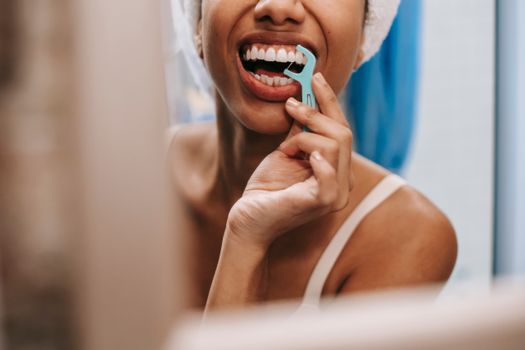
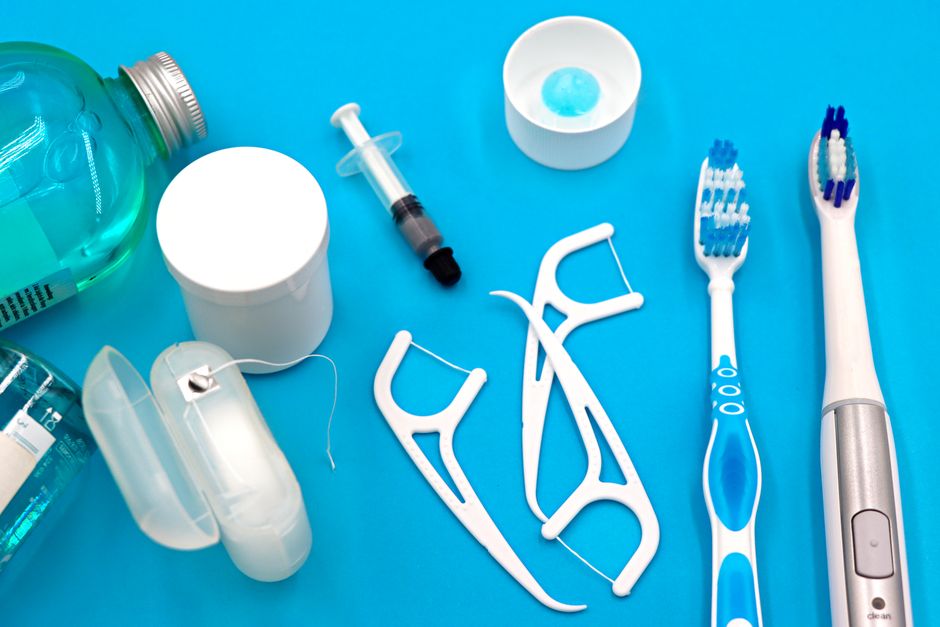
Dental implants and crowns are significant investments in your oral health, and keeping them clean requires more than a standard string floss. Around an implant, the gum tissue forms a seal that is weaker than the natural attachment around a tooth. Around a crown, there is often a tiny ledge or margin where bacteria and food particles love to hide. If you ignore these areas, you risk peri-implantitis, decay at the crown margin, and even failure of the restoration. That is where dental floss sticks — also called floss picks or interdental flossers — come into play. But not all floss sticks are safe for implants and crowns. Some can scratch titanium, catch on ceramic margins, or leave behind shreds that irritate the gums.
In this guide, we will walk you through the best dental floss sticks for implants and crowns, what features to look for, how to use them correctly, and which options to avoid. Whether you have a single crown, a full implant-supported bridge, or a mix of both, you will find practical advice to protect your investment.
What Makes a Floss Stick Safe for Implants and Crowns?
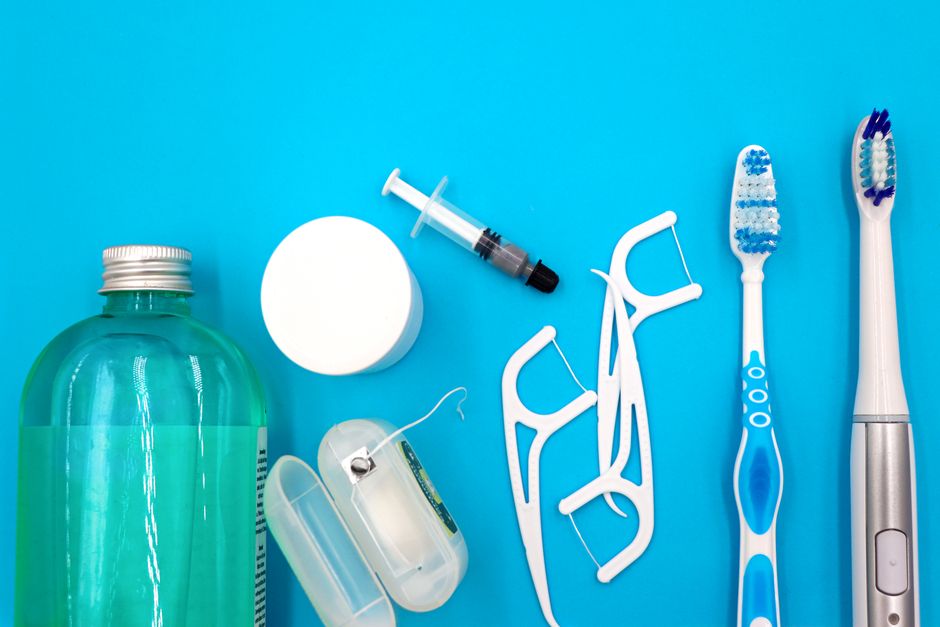
Before we get into specific recommendations, let us break down the qualities that separate a safe floss stick from a risky one.
1. Soft, Non-Abrasive Floss Material
Implants are typically made of titanium or zirconia. Titanium is strong but can be scratched by rough floss, and scratches create microscopic niches where bacteria can accumulate. Crowns made of porcelain or ceramic can also be damaged by abrasive floss. Look for floss sticks that use a soft, waxed, or PTFE (polytetrafluoroethylene) floss. PTFE is smooth, shred-resistant, and glides easily between tight contacts without fraying.
2. Rounded, Flexible Tips
The plastic tip that holds the floss should be rounded and flexible. Sharp or rigid tips can poke the gum tissue around an implant, causing inflammation and recession. A flexible tip also makes it easier to reach the back of the mouth and around the curves of a crown.
3. No Metal Core or Rough Edges
Some floss sticks have a metal wire core for strength. Avoid these around implants and crowns. The metal can scratch the implant surface and conduct galvanic currents that feel uncomfortable. Stick with all-plastic or plastic-and-floss designs.
4. Proper Floss Tension
If the floss is too loose, it will not remove plaque effectively. If it is too tight, it can snap and flick against the gum. The best floss sticks have consistent, moderate tension that allows you to wrap the floss around the implant or crown without excessive force.
5. Easy-to-Grip Handle
Good grip matters because you need precise control. A handle that is too thin or too smooth can slip, especially if your hands are wet. Look for textured or ergonomic handles.
Top Dental Floss Sticks for Implants and Crowns
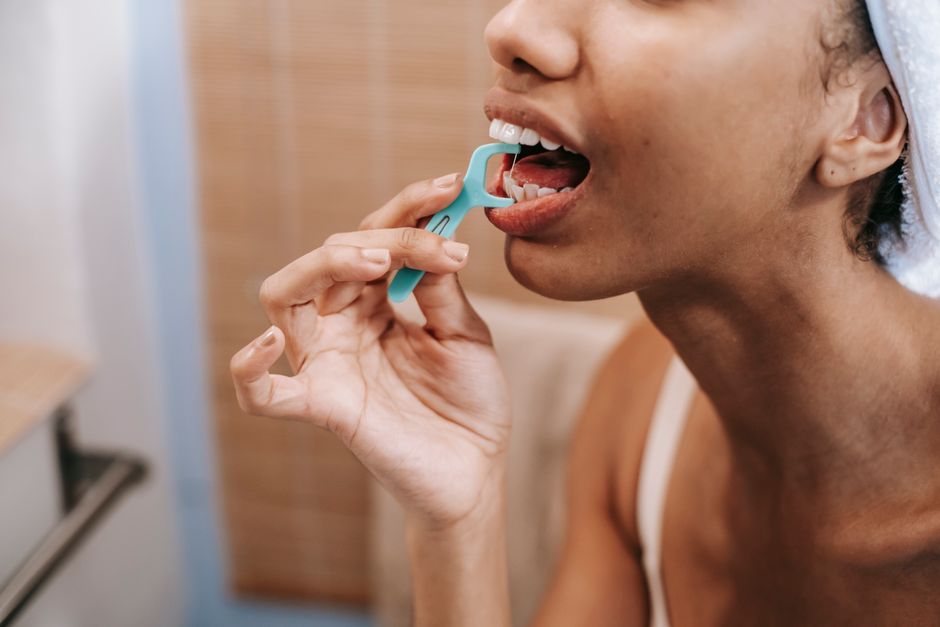
Below is a comparison of the most recommended floss stick types and brands based on material safety, ease of use, and dentist feedback. Note that brand availability varies by region, so focus on the features rather than the exact name.
| Product Type | Key Features | Best For | Potential Drawbacks |
|---|---|---|---|
| PTFE Floss Picks (e.g., Oral-B Glide Floss Picks) | Smooth PTFE floss, shred-resistant, rounded tip | Tight contacts, implant crowns, ceramic crowns | Slightly more expensive; floss can be too slippery for some users |
| Waxed Nylon Floss Picks (e.g., DenTek Comfort Clean) | Soft wax coating, flexible tip, affordable | General use, mild gingivitis | Can fray around rough crown margins |
| Super Floss with Built-in Threader (e.g., Oral-B Super Floss) | Stiff end for threading under bridges, spongy section for cleaning | Implant bridges, fixed partial dentures | Not a stick per se; requires manual threading |
| Interdental Brush Picks (e.g., GUM Soft-Picks) | Rubber bristles, flexible neck, no floss | Wide gaps, exposed implant threads | Not a substitute for floss in tight contacts |
| Biodegradable Floss Picks (e.g., The Humble Co.) | Plant-based handle, vegan wax, soft floss | Eco-conscious users with healthy gums | Floss may break more easily |
When choosing, prioritize PTFE or waxed nylon floss with a rounded, flexible tip. If you have an implant-supported bridge, consider a floss threader or Super Floss in addition to floss sticks.
How to Floss Around Implants and Crowns Correctly
Using the right tool is only half the battle. Technique is equally important. Follow these steps for a safe, effective clean.
Step 1: Start With a Clean Mouth
Brush first to remove the bulk of plaque. Then use your floss stick to clean between teeth and around restorations.
Step 2: Insert Gently
Slide the floss between the implant or crown and the adjacent tooth. Do not snap it into place. Use a gentle sawing motion if the contact is tight.
Step 3: Wrap and Slide
Curve the floss into a C-shape around the implant or crown. Slide it up and down along the side, going slightly below the gumline. Be careful not to force it.
Step 4: Clean the Back of the Crown
The back of a crown, especially on a molar, is a common spot for plaque. Use the floss stick to reach behind the crown and clean the margin.
Step 5: Rinse and Repeat
Rinse the floss stick or use a fresh one for each quadrant. Do not reuse a floss stick that has been contaminated with blood or debris.
Step 6: Check for Signs of Trouble
After flossing, look for bleeding, redness, or a bad taste. These can be early signs of peri-implantitis or crown decay. Report them to your dentist.
Common Mistakes to Avoid
- Using sharp or metal-core floss sticks: These can scratch implants and crowns.
- Flossing too aggressively: Force can damage the gum seal around an implant.
- Reusing floss sticks: Bacteria can be reintroduced into the mouth.
- Skipping the back of the crown: This area is often missed and prone to decay.
- Relying only on floss sticks: For bridges, you may need additional tools like interdental brushes or water flossers.
Complementary Tools for Implant and Crown Care
Floss sticks are excellent, but they are not the only tool you should use. Consider these additions:
- Water flosser: Great for flushing out debris around implants and under bridges. Look for a model with a soft tip and adjustable pressure.
- Interdental brushes: Ideal for wider gaps and exposed implant threads. Choose the smallest size that fits snugly.
- Antibacterial mouthwash: Helps reduce bacteria that cause peri-implantitis. Use as directed by your dentist.
- Soft-bristled toothbrush: Hard bristles can irritate gums around implants and crowns.
When to See Your Dentist
Even with perfect home care, problems can arise. Contact your dentist if you notice:
- Persistent bleeding when flossing
- Swelling or tenderness around an implant
- A loose crown or implant
- Bad breath or a bad taste that does not go away
- Visible gaps between the crown and gum
Early intervention can save your implant or crown. Do not wait for pain.
Final Thoughts
Choosing the best dental floss stick for implants and crowns comes down to softness, flexibility, and safety. PTFE or waxed nylon floss with a rounded, flexible tip is your best bet. Avoid metal-core or abrasive options. Pair floss sticks with interdental brushes or a water flosser for a complete cleaning routine. And always use gentle technique — your implants and crowns will thank you.
Remember, floss sticks are a tool, not a replacement for regular dental checkups. Schedule professional cleanings every six months, or more often if your dentist recommends it. With the right habits, you can keep your restorations healthy for years to come.