
Why Should B2B Companies Invest in Customized Gifts?
In the competitive world of B2B commerce, building strong relationships is paramount. Customized gifts offer a unique way to stand out and show appreciation. Unlike generic promotional items, personalized gifts demonstrate that you understand your client’s business and value the partnership. This investment can lead to increased loyalty, repeat business, and positive word-of-mouth referrals.
Moreover, customized gifts create a lasting impression. A well-thought-out gift with your company logo or a personalized message can keep your brand top-of-mind long after the initial interaction. In a survey, 80% of B2B decision-makers said they feel more positive about a company after receiving a personalized gift. This emotional connection translates directly into business benefits.

How Do Customized Gifts Enhance Brand Recall?
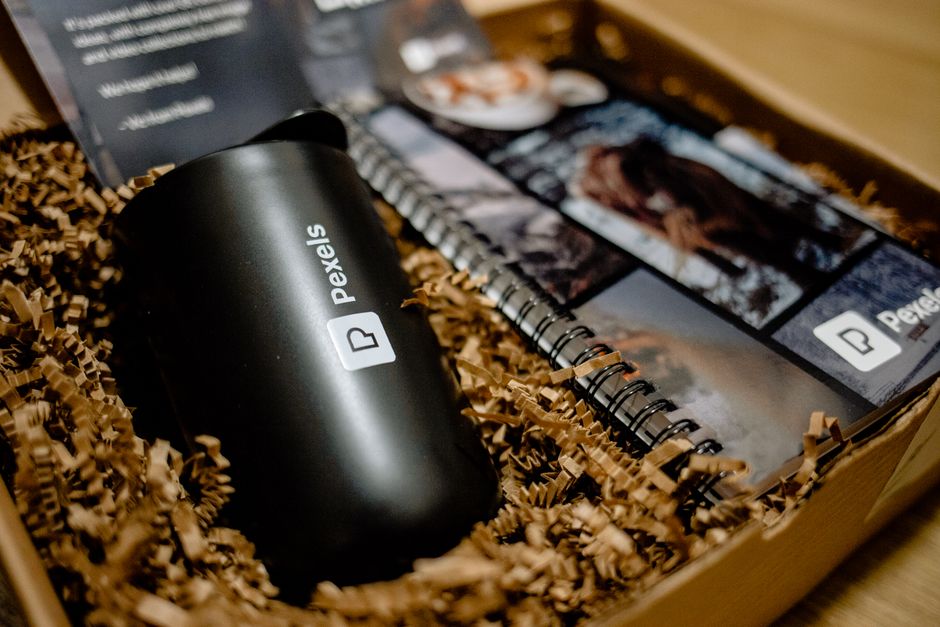
Brand recall is crucial in B2B markets where purchasing decisions are often complex and involve multiple stakeholders. Customized gifts serve as tangible reminders of your brand. When a client uses a branded notebook or drinks from a customized mug, they are repeatedly exposed to your logo and message. This repeated exposure strengthens neural pathways associated with your brand.
Additionally, unique and high-quality gifts encourage recipients to display them in their offices or share them with colleagues. This extends your reach beyond the initial recipient. For example, a custom-engraved pen set on a client’s desk is seen by visitors and employees, multiplying your brand impressions without extra cost. Studies show that branded merchandise can increase brand recall by up to 70% compared to digital ads.
What Are the Key Benefits of Gifting Custom Products to B2B Clients?
- Strengthened Relationships: Personalized gifts show you care about the individual, not just the transaction. This fosters trust and loyalty.
- Increased Referrals: Happy clients are more likely to refer your services to others. A gift can be the catalyst for a recommendation.
- Differentiation from Competitors: In a crowded market, a thoughtful gift sets you apart. It signals that you go the extra mile.
- Higher ROI: Compared to traditional advertising, customized gifts often yield a higher return on investment because they create direct engagement.
- Long-Term Value: Quality gifts last for years, providing ongoing brand exposure. They are not quickly discarded like flyers or emails.
How Does Customization Improve Client Retention Rates?
Client retention is a major focus for B2B companies, as acquiring new clients can cost five times more than retaining existing ones. Customized gifts play a vital role in retention by making clients feel valued and appreciated. A survey by the Incentive Research Foundation found that 85% of employees and clients feel more valued when they receive a personalized gift, leading to higher retention rates.
Furthermore, regular gifting can create a sense of reciprocity. When a client receives a gift, they subconsciously feel inclined to continue the business relationship. This psychological principle, known as the rule of reciprocity, is powerful in B2B contexts. By sending personalized gifts on milestones or anniversaries, you reinforce the partnership and reduce churn.
What Types of Customized Gifts Work Best for B2B Audiences?
The best customized gifts are those that align with your client’s industry, preferences, and needs. High-quality items like custom-engraved pens, leather portfolios, tech accessories (e.g., power banks, USB drives), and premium drinkware are popular choices. These items are practical and professional, ensuring they are used frequently.
Additionally, experiential gifts can be highly effective. For example, a custom-branded wine tasting kit or a personalized virtual event subscription can create memorable experiences. The key is to offer something that reflects your understanding of the client’s culture. Avoid cheap or generic items, as they can harm your brand perception. Instead, invest in quality that reflects your company’s standards.
How Can You Measure the ROI of Customized Gifting Campaigns?
Measuring ROI requires tracking both direct and indirect outcomes. Direct metrics include response rates to follow-up communications after a gift is sent, such as increased email open rates or meeting bookings. You can also track conversion rates of leads who received gifts versus those who did not, using a control group.
Indirect metrics include client satisfaction scores, retention rates, and referral rates. Surveys can gauge how clients perceive the gift and its impact on their relationship with your company. Additionally, monitoring social media mentions or hashtags related to your gift can provide qualitative data. While it’s challenging to attribute all changes to gifting, a well-designed campaign can show a positive trend in key performance indicators.
What Are the Best Practices for Personalizing B2B Gifts?
- Know Your Client: Research their interests, hobbies, and business needs. Personalization goes beyond adding a name; it should reflect their preferences.
- Quality Over Quantity: Choose high-quality items that will be appreciated and used. A single premium gift often has more impact than several cheap ones.
- Timing Matters: Send gifts on relevant occasions like company anniversaries, holidays, or after a successful project completion.
- Include a Personal Note: Handwritten or personalized messages add emotional value and show genuine thought.
- Respect Company Policies: Some clients have strict gift policies. Ensure your gift complies with their guidelines to avoid awkwardness.
How Does Custom Gifting Fit into a B2B Marketing Strategy?
Custom gifting should be integrated into your overall marketing and sales strategy as a tool for relationship nurturing. It can be used at various stages of the customer journey: as a welcome gift for new clients, a thank-you after a closed deal, or a re-engagement gift for dormant accounts. It complements digital marketing by adding a tangible touchpoint.
Moreover, gifting can be tied to account-based marketing (ABM) efforts. For key accounts, a series of personalized gifts can build momentum and reinforce messaging. When combined with follow-up calls or emails, the gift becomes a conversation starter. By tracking responses, you can refine your targeting and increase the effectiveness of future campaigns.
What Are the Common Mistakes to Avoid in B2B Gifting?
- Being Too Generic: Sending the same gift to everyone defeats the purpose of personalization. Tailor each gift to the recipient.
- Ignoring Cultural Differences: In international B2B, be aware of cultural norms around gift-giving to avoid offense.
- Over-Branding: While branding is important, making the gift look like an advertisement can feel tacky. Subtle branding is more effective.
- Poor Timing: Sending gifts at inappropriate times (e.g., during a client’s busy season) can be counterproductive.
- Neglecting Follow-Up: A gift without a follow-up plan misses the opportunity to deepen the relationship. Always have a next step.
Conclusion: Why Customized Gifts Are a Smart Investment for B2B Success
Customized gifts offer a powerful way to build and maintain strong B2B relationships. They enhance brand recall, improve retention, and differentiate your company from competitors. By following best practices and avoiding common pitfalls, you can create gifting campaigns that deliver measurable ROI.
In an era where digital noise is overwhelming, a thoughtful physical gift can cut through and create a genuine connection. Whether you’re looking to win new clients or deepen existing partnerships, investing in customized gifts is a strategy that pays dividends. Start planning your next personalized gifting campaign today and experience the benefits firsthand.