Latest Home Textile Trade Show News 2024 | Trends & Insights
1. Heimtextil 2024: Sustainability Takes Center Stage
Heimtextil 2024, held in Frankfurt, Germany, has set a new benchmark for sustainability in home textiles. This year's trade show featured a dedicated 'Green Village' where exhibitors showcased eco-friendly materials such as organic cotton, recycled polyester, and biodegradable fibers. The event also introduced the 'Sustainable Textile Production' certification, which was awarded to several key manufacturers.
Buyers were particularly impressed by the innovative use of natural dyes and waterless printing technologies. Many exhibitors reported a 30% increase in inquiries for sustainable product lines compared to previous years. This trend indicates a growing demand from B2B buyers for transparent supply chains and certified green products.
Industry experts predict that sustainability will remain a dominant theme for the rest of 2024, influencing product development and purchasing decisions across the sector. For B2B buyers, attending Heimtextil is now essential for sourcing the latest eco-friendly innovations.
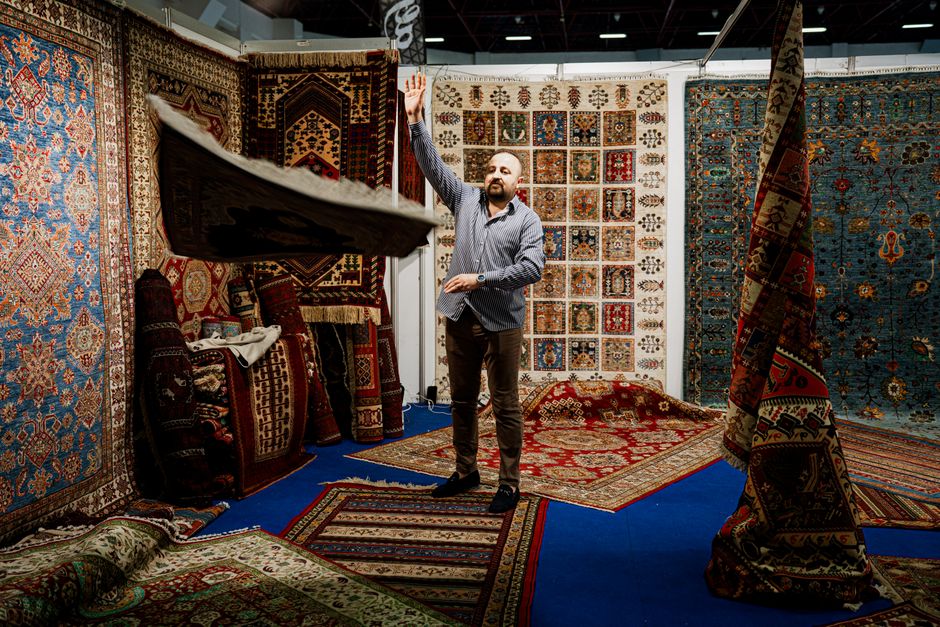
2. New York Home Textiles Market Week: Focus on Smart Fabrics
The New York Home Textiles Market Week in March 2024 highlighted the integration of technology into home fabrics. Exhibitors introduced smart textiles with built-in sensors for temperature regulation, moisture wicking, and even antimicrobial properties. One standout product was a line of smart curtains that adjust opacity based on sunlight intensity, reducing energy costs.
B2B buyers showed strong interest in these high-tech solutions, particularly for hospitality and healthcare applications. Several manufacturers announced partnerships with tech companies to develop connected home textile ecosystems. The event also featured seminars on the future of smart fabrics, emphasizing their potential to enhance comfort and sustainability.
Market analysts suggest that the smart fabric segment could grow by 15% annually over the next five years. For buyers, investing in these products early could provide a competitive edge in the evolving home decor market.
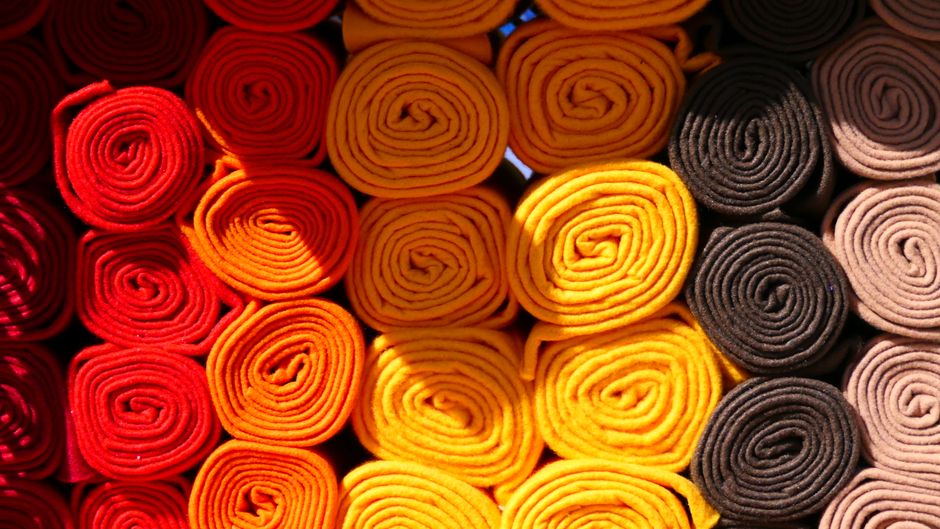
3. Maison&Objet 2024: Bold Colors and Textures
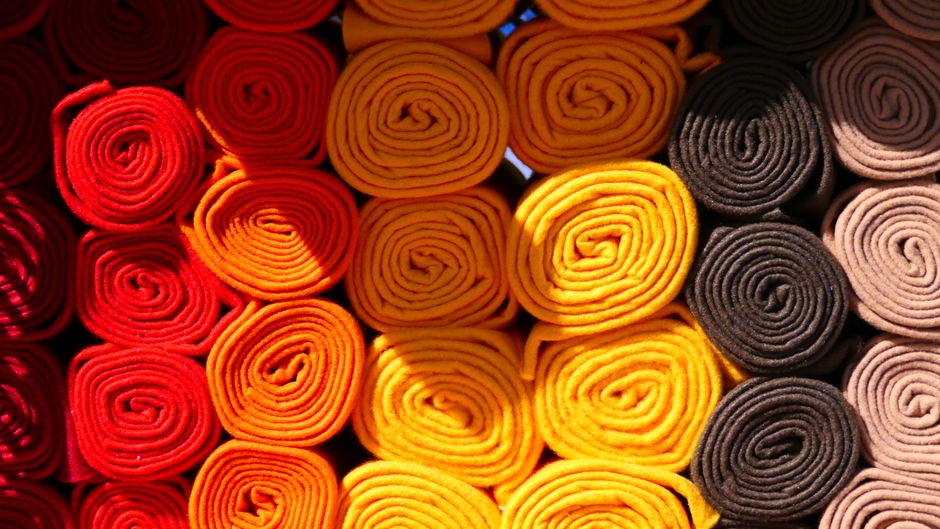
Maison&Objet in Paris this January showcased a vibrant shift towards bold colors and rich textures. The trend report identified 'Jewel Tones'—emerald green, sapphire blue, and amethyst purple—as the dominant palette for 2024. Velvet, chenille, and bouclé fabrics were prominently featured, often combined with metallic accents for a luxurious feel.
B2B buyers from boutique hotels and high-end retail chains were seen placing large orders for these statement pieces. Exhibitors emphasized that these designs cater to a growing consumer desire for individuality and comfort in home spaces. The show also introduced a new section called 'Atelier,' dedicated to artisanal and handcrafted textiles, which attracted significant attention.
Industry insiders recommend that buyers incorporate these bold elements into their product mixes to appeal to trend-conscious end consumers. The shift towards maximalism suggests that neutral tones may take a backseat in the coming seasons.
4. Interior Design Show (IDS) Toronto: Local Artisans Shine
The Interior Design Show in Toronto this February placed a spotlight on local artisans and small-scale producers. The 'Artisan Alley' featured handwoven throws, hand-embroidered cushions, and custom-dyed linens from Canadian makers. This emphasis on locality resonated with B2B buyers seeking unique, story-driven products for boutique projects.
Several exhibitors reported that their limited-edition collections sold out during the show, underscoring the demand for exclusivity. The event also hosted workshops on sustainable sourcing and the economic benefits of supporting local craftspeople. Buyers noted that these products often come with higher margins due to their perceived value and craftsmanship.
For B2B buyers, incorporating locally made textiles can differentiate their offerings and appeal to consumers who prioritize authenticity and community support. The trend towards 'slow decor' is expected to gain momentum throughout 2024.
5. Index Dubai 2024: Middle East Market Expansion
Index Dubai, held in May, has emerged as a key platform for home textile trade in the Middle East. This year's edition saw a record number of international exhibitors, with many targeting the region's booming hospitality sector. The show highlighted opulent designs featuring gold threads, heavy embroidery, and rich brocades, catering to the luxury segment.
B2B buyers from hotel chains in Dubai, Abu Dhabi, and Qatar were actively sourcing high-quality bed linens, curtains, and upholstery. Exhibitors also noted increased interest from residential developers building high-end properties. The show's conference sessions covered topics like cultural design influences and regional market trends.
With the Middle East's construction and tourism sectors rebounding strongly, Index Dubai offers lucrative opportunities for home textile suppliers. Buyers should consider establishing partnerships with local distributors to navigate the market effectively.
6. Decorex International: Bespoke and Customizable Solutions
Decorex International in London, held in September, focused on bespoke and customizable home textiles. Exhibitors offered made-to-measure curtains, tailored upholstery, and personalized embroidery services. The show attracted interior designers and specifiers who value uniqueness and precision in their projects.
New technology such as digital fabric printing allowed for quick turnaround of custom designs, even for small quantities. B2B buyers appreciated the flexibility to order specific colors, patterns, and sizes without minimum order constraints. The event also featured a 'Concept Store' showcasing how customization can elevate commercial interiors.
Industry experts advise buyers to explore customization capabilities to meet the growing demand for personalized home decor. This approach can lead to stronger client relationships and repeat business.
7. Shanghai International Textile Exhibition: Innovation in Manufacturing
The Shanghai International Textile Exhibition in March highlighted advancements in manufacturing technology. Chinese exhibitors showcased automated looms, AI-driven quality control systems, and eco-friendly dyeing processes. These innovations are reducing production costs and lead times while improving product consistency.
B2B buyers from global brands visited the show to source cost-effective yet high-quality textiles. Many were impressed by the integration of Industry 4.0 practices, which allow for real-time production monitoring and flexible batch sizes. The event also featured a 'Tech Textiles' section focusing on functional fabrics for outdoor and contract use.
For buyers, establishing relationships with tech-forward manufacturers can ensure competitive pricing and reliable supply. The Chinese textile industry's pivot towards innovation is reshaping global supply chains.
8. Texworld USA: Focus on Transparency and Traceability
Texworld USA, held in New York in July, emphasized transparency and traceability in the textile supply chain. Exhibitors provided detailed information about fiber origins, manufacturing processes, and labor practices. Blockchain technology was showcased as a tool for verifying claims and building trust with buyers.
B2B buyers, particularly those working with sustainability-focused brands, responded positively to these initiatives. The show's 'Traceability Pavilion' featured companies that offer full lifecycle assessments for their products. Seminars educated attendees on how to evaluate supplier credentials and avoid greenwashing.
As consumers demand more accountability, buyers who prioritize transparency can enhance brand reputation and customer loyalty. Texworld USA serves as a vital resource for sourcing ethically produced home textiles.
Planning a home textile collection for your market?
Share the rooms, fabrics and color direction for a practical development proposal.
Start a conversation