

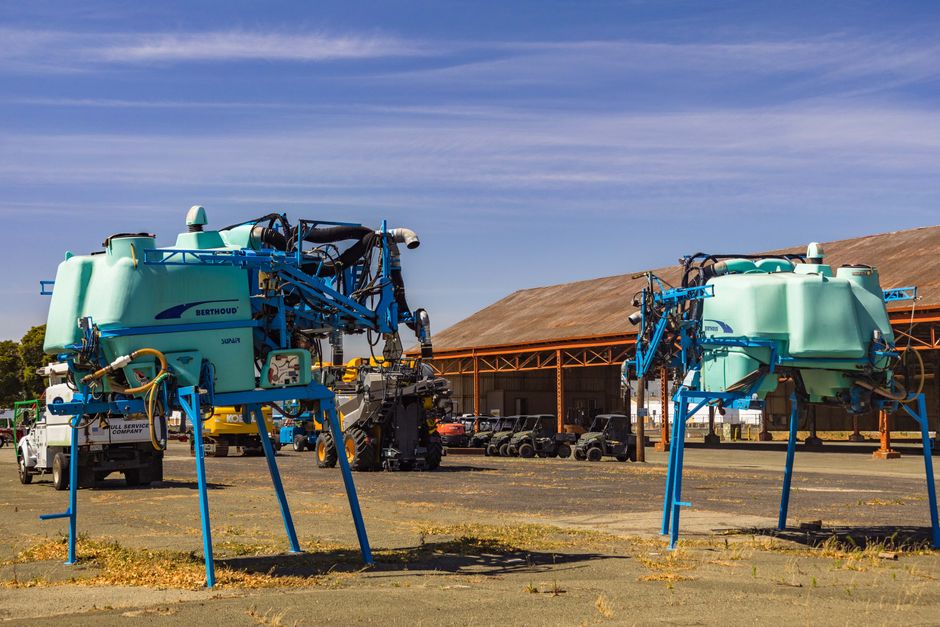
1. What are the key international regulations governing agricultural sprayers?
Agricultural sprayers are subject to a complex web of international regulations that vary by region and country. The most prominent frameworks include the European Union's Machinery Directive (2006/42/EC), which sets essential health and safety requirements for sprayers sold in the EU. In the United States, the Environmental Protection Agency (EPA) regulates sprayers under the Federal Insecticide, Fungicide, and Rodenticide Act (FIFRA), focusing on drift reduction and proper labeling. Additionally, the United Nations Economic Commission for Europe (UNECE) provides standards for sprayer performance and testing, particularly for export markets.
Other key regulations include the ISO 16119 series for sprayer inspection and testing, which is widely adopted globally. Compliance with these standards is not just a legal requirement but also a competitive advantage, as it assures buyers of product quality and safety. Manufacturers must stay updated on changes, such as the EU's upcoming revisions to the Machinery Regulation, which will further tighten requirements.
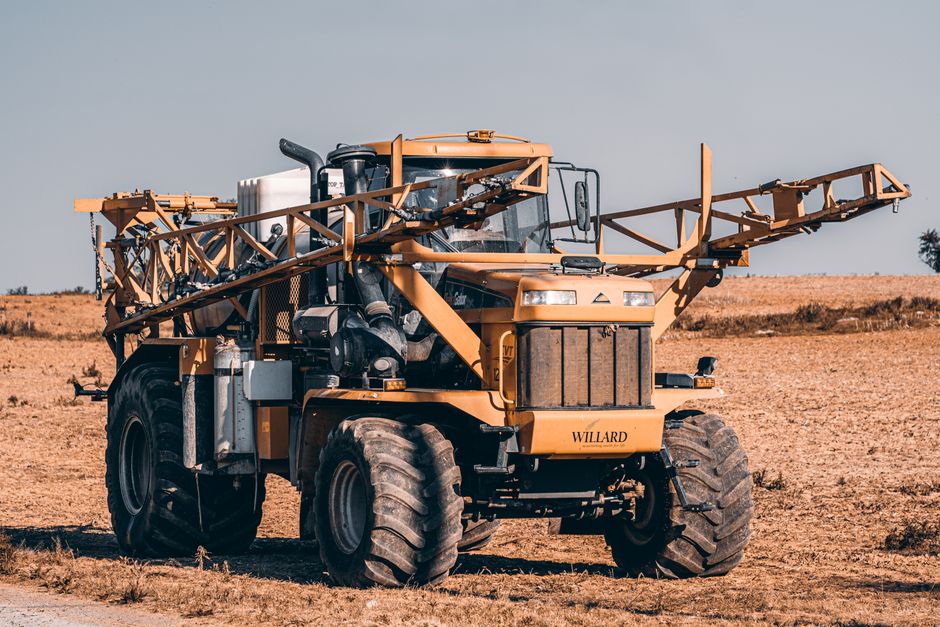
2. How do CE marking requirements affect agricultural sprayer exports?
CE marking is mandatory for agricultural sprayers sold in the European Economic Area (EEA). It indicates that the product meets EU safety, health, and environmental requirements. For sprayers, this typically involves compliance with the Machinery Directive, the Pressure Equipment Directive (if applicable), and the Electromagnetic Compatibility Directive. The manufacturer must conduct a conformity assessment, compile a technical file, and issue an EU Declaration of Conformity.
The process can be complex, especially for sprayers with electronic components or high-pressure systems. Many manufacturers need to work with notified bodies to certify their products. Non-compliance can lead to fines, product recalls, or bans from the EU market. Therefore, understanding CE marking is critical for any B2B exporter targeting Europe.
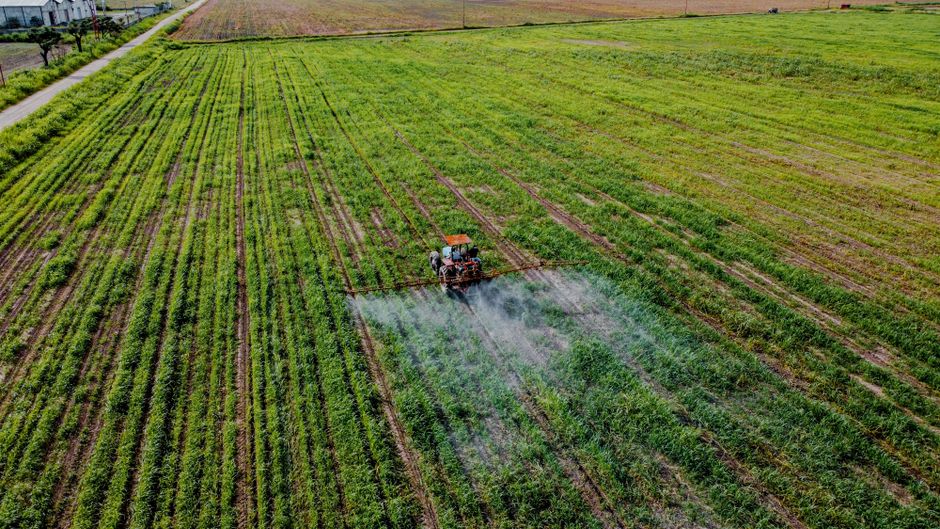
3. What are the labeling and packaging standards for sprayers in international trade?
Labeling requirements for agricultural sprayers vary by destination country. In the US, the EPA requires that sprayers have a label specifying the types of pesticides that can be used, along with drift reduction instructions. The EU mandates that sprayers be labeled with the CE mark, the manufacturer's name and address, the year of manufacture, and the serial number. Additionally, warning symbols for hazards (e.g., high pressure, chemical exposure) must be displayed.
Packaging must protect the sprayer during transit and include documentation such as user manuals and safety data sheets. For air transport, sprayers may need to be drained of fuel and cleaned of chemical residues to comply with dangerous goods regulations. Proper labeling and packaging not only ensure compliance but also reduce the risk of delays at customs.
4. Are there specific testing and certification requirements for sprayers?
Yes, most major markets require sprayers to be tested and certified by recognized bodies. For example, the EU requires that sprayers undergo type-examination by a notified body for high-risk models. The ISO 16119 series specifies test methods for sprayer performance, including nozzle flow rate, pressure stability, and drift potential. In the US, the EPA's Certification of Pesticide Applicators program includes guidelines for sprayer testing, though not mandatory for all.
Some countries, like Brazil and Australia, have their own certification schemes. Brazil's INMETRO requires sprayers to be tested for safety and performance. Australia's Agricultural and Veterinary Chemicals Code mandates that sprayers meet certain standards for drift control. Manufacturers should work with accredited labs to obtain certifications like CE, EPA, or ASABE (American Society of Agricultural and Biological Engineers) to access these markets.
5. How do different countries regulate sprayer drift and environmental impact?
Drift reduction is a major concern worldwide, leading to varying regulations. In the EU, the Sustainable Use of Pesticides Directive encourages the use of low-drift nozzles and requires sprayers to be inspected every three years. The US EPA has a Drift Reduction Technology (DRT) program that certifies nozzles and sprayers that minimize drift. Australia's National Registration Authority for Agricultural and Veterinary Chemicals sets drift limits based on weather conditions and nozzle type.
Environmental impact regulations also cover noise emissions (e.g., EU Directive 2000/14/EC) and exhaust emissions for engine-powered sprayers. Some countries, like Japan, have strict limits on pesticide runoff. Manufacturers should design sprayers with drift-reducing features and provide documentation on environmental performance to facilitate market entry.
6. What are the import duties and tariffs on agricultural sprayers?
Import duties on agricultural sprayers vary by country and are classified under HS codes, typically 8424.81 (mechanical appliances for projecting, dispersing, or spraying liquids). In the US, the duty rate is around 2.5% for most sprayers, but may be higher for certain types. The EU applies a common external tariff of about 1.7% for sprayers. However, free trade agreements (FTAs) can reduce or eliminate these duties. For example, under the USMCA, sprayers made in North America may enter duty-free.
Other countries, like India, impose higher tariffs (up to 10-15%) to protect domestic manufacturers. Additionally, anti-dumping duties may apply in some cases. B2B exporters should consult with customs brokers or trade consultants to determine the exact duties and explore FTA benefits. Proper HS classification is crucial to avoid penalties.
7. How do intellectual property rights affect sprayer design and export?
Intellectual property (IP) rights, including patents, trademarks, and design rights, play a significant role in the sprayer industry. Many manufacturers hold patents on innovative features like drift-reducing nozzles, automated control systems, or boom suspension mechanisms. Exporting to countries with weak IP enforcement can lead to counterfeiting or infringement disputes.
To protect IP, companies should register patents and trademarks in target markets. The Patent Cooperation Treaty (PCT) allows for international patent filing. Additionally, design patents can protect the appearance of sprayers. In some regions, like China, IP enforcement has improved, but risks remain. Manufacturers should also include non-disclosure agreements (NDAs) in B2B contracts.
8. What are the documentation requirements for exporting sprayers?
Exporting agricultural sprayers requires a comprehensive set of documents. Typically, these include a commercial invoice, packing list, bill of lading, certificate of origin, and a phytosanitary certificate (if sprayers have been used with pesticides). For many markets, a CE Declaration of Conformity or EPA compliance letter is necessary. Some countries require a Certificate of Free Sale (CFS) to prove the product is legally sold in the home market.
Additionally, insurance certificates and letters of credit may be needed for payment. For sprayers containing batteries or electronic components, a materials safety data sheet (MSDS) may be required. Incomplete documentation can cause customs delays or rejection. It is advisable to work with a freight forwarder experienced in agricultural machinery.
9. How do sanctions and trade restrictions impact sprayer exports?
Trade sanctions and embargoes can restrict exports to certain countries. For example, the US sanctions on Iran, North Korea, and Russia affect sprayer trade. Exporters must screen end-users and ensure compliance with the Office of Foreign Assets Control (OFAC) regulations. The EU also imposes sanctions on countries like Syria and Venezuela.
Additionally, dual-use regulations may apply if sprayers can be used for military purposes (e.g., aerosol dissemination). Manufacturers should implement a compliance program and use trade management software. Violations can result in heavy fines and loss of export privileges.
10. What are the best practices for ensuring regulatory compliance?
To navigate the complex regulatory landscape, manufacturers should adopt a proactive approach. First, conduct a market-specific regulatory audit for each target country. Second, engage with certification bodies and trade associations, such as the European Crop Protection Association (ECPA) or the American Society of Agricultural and Biological Engineers (ASABE). Third, invest in product testing and quality control to meet international standards.
It is also beneficial to hire a regulatory affairs specialist or consultant familiar with agricultural machinery. Keep documentation organized and update it as regulations change. Finally, build relationships with local distributors who understand the regulatory environment in their region. By staying informed and prepared, manufacturers can reduce risks and expand their global footprint.