


Introduction to Agricultural Sprayer Supply Chain Management
In the competitive world of B2B foreign trade, effective supply chain management for agricultural sprayers is crucial for ensuring product quality, timely delivery, and cost efficiency. Manufacturers must navigate complex logistics, sourcing, and inventory challenges to meet global demand. This guide provides best practices for optimizing your agricultural sprayer supply chain, from raw material procurement to final delivery.

Key Components of the Agricultural Sprayer Supply Chain
The supply chain for agricultural sprayers involves several critical stages:
- Raw Material Sourcing: High-quality plastics, metals, nozzles, pumps, and seals.
- Component Manufacturing: Injection molding, metal fabrication, assembly of tanks, booms, and control systems.
- Quality Control: Testing for pressure, durability, and spray pattern accuracy.
- Warehousing and Inventory Management: Storage of finished goods and spare parts.
- Logistics and Distribution: Shipping via sea, air, or land to international buyers.
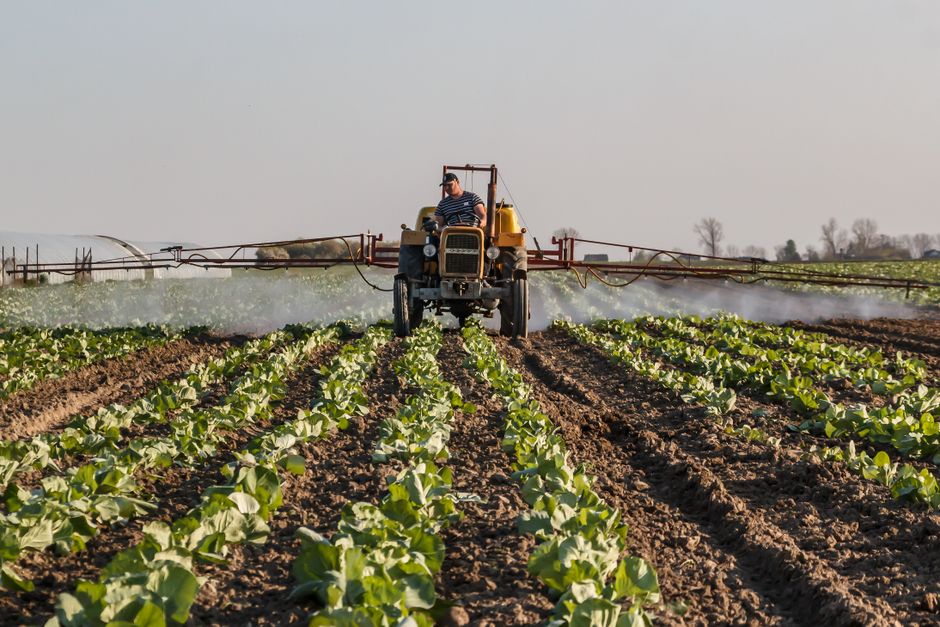
Best Practices for Raw Material Sourcing
1. Establish Long-Term Partnerships
Work with reliable suppliers who offer consistent quality and competitive pricing. Negotiate contracts with volume discounts and flexible terms.
2. Diversify Supplier Base
Avoid dependency on a single source. Engage multiple suppliers for critical components to mitigate risks of disruptions.
3. Implement Supplier Audits
Regularly audit suppliers for compliance with ISO standards, environmental regulations, and ethical practices. Use scorecards to track performance.
Efficient Manufacturing and Assembly Processes
Streamline production using lean manufacturing principles:
- Just-in-Time (JIT) Inventory: Reduce waste by receiving materials only when needed.
- Automation: Use robotics for repetitive tasks like welding and painting to improve consistency.
- Modular Design: Design sprayers with interchangeable parts to simplify assembly and repair.
Quality Control and Testing Protocols
Maintain rigorous quality checks at every stage:
| Stage | Test | Frequency |
|---|---|---|
| Incoming Materials | Dimensional checks, material hardness | Every batch |
| In-Process | Weld integrity, pump pressure | Random sampling |
| Finished Goods | Spray pattern uniformity, leak test | 100% inspection |
Document all results and implement corrective actions for non-conformities.
Inventory Management Strategies
Use an ERP system to track inventory levels in real-time. Adopt ABC analysis to prioritize high-value items. For fast-moving spare parts, maintain safety stock based on historical demand and lead times. Implement cycle counting to ensure accuracy.
Logistics and Distribution Optimization
Choose shipping methods based on urgency and cost:
- Sea Freight: Cost-effective for large orders, but longer transit times.
- Air Freight: Suitable for urgent shipments or high-value components.
- Multimodal Solutions: Combine truck, rail, and ship for flexibility.
Partner with a freight forwarder experienced in agricultural equipment to handle customs clearance and documentation.
Leveraging Technology for Supply Chain Visibility
Implement IoT sensors on sprayers to monitor usage and predict maintenance needs. Use blockchain for transparent tracking of parts from source to delivery. Cloud-based platforms enable real-time collaboration with suppliers and customers.
Risk Management and Contingency Planning
Identify potential risks such as raw material shortages, port strikes, or geopolitical instability. Develop contingency plans including alternative suppliers, safety stock, and diversified shipping routes. Regularly review and update risk assessments.
Sustainability in the Supply Chain
Adopt eco-friendly practices:
- Use recyclable materials for packaging.
- Optimize routes to reduce fuel consumption.
- Source from suppliers with green certifications.
- Offer take-back programs for end-of-life sprayers.
Conclusion
Effective agricultural sprayer supply chain management is a competitive advantage in B2B foreign trade. By implementing these best practices—from sourcing to logistics—you can enhance reliability, reduce costs, and satisfy global customers. Stay agile, embrace technology, and continuously improve your processes to thrive in the evolving market.