Introduction
Importing agricultural sprayers from China can significantly reduce costs and provide access to advanced technology for B2B buyers. This comprehensive guide walks you through every step—from market research to final delivery—ensuring a smooth import process. Whether you are a distributor, farm cooperative, or equipment dealer, these actionable insights will help you navigate supplier selection, quality control, logistics, and compliance.
Step 1: Market Research and Product Selection
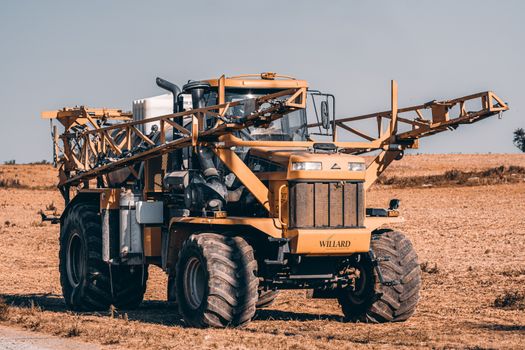
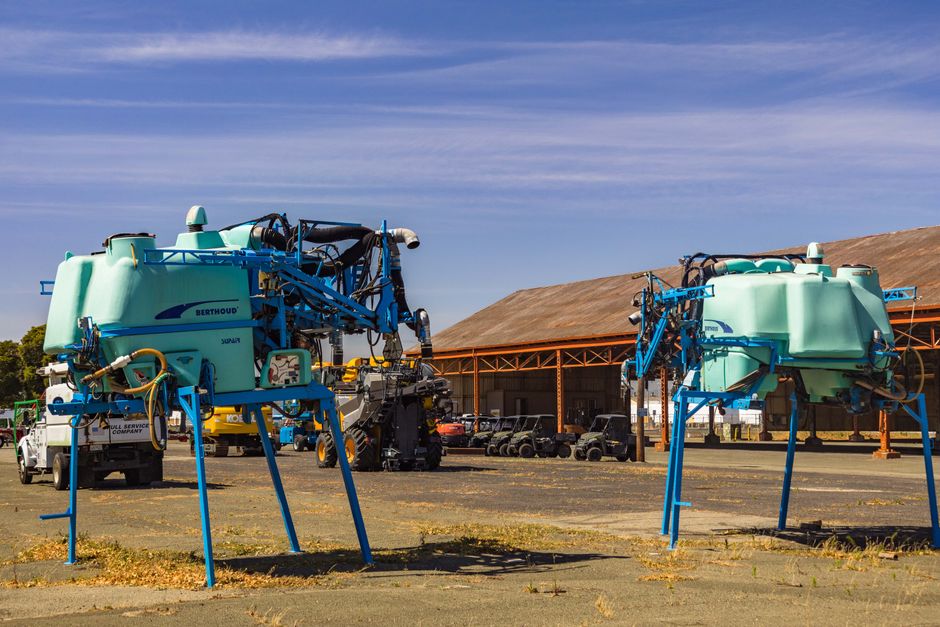
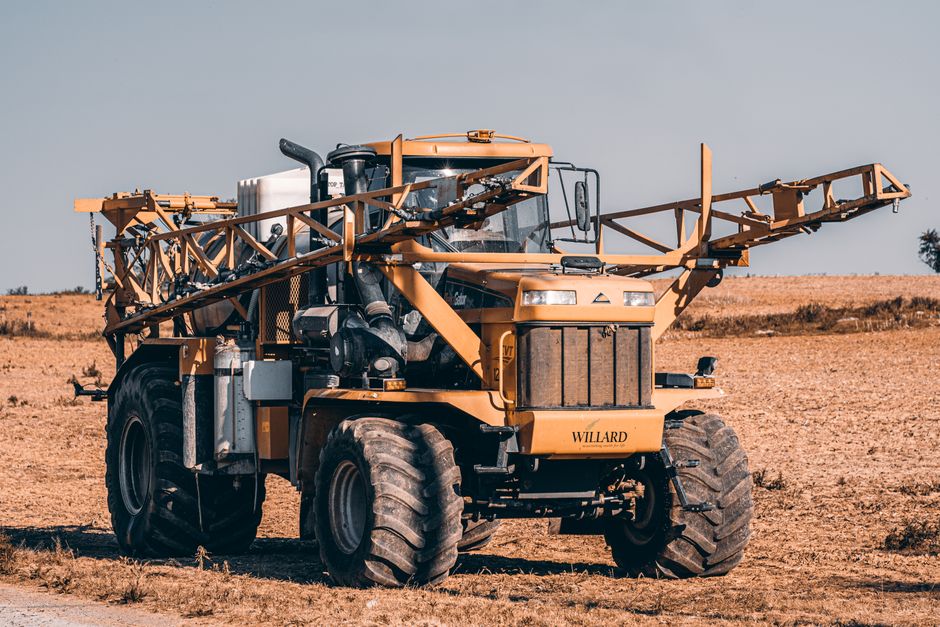
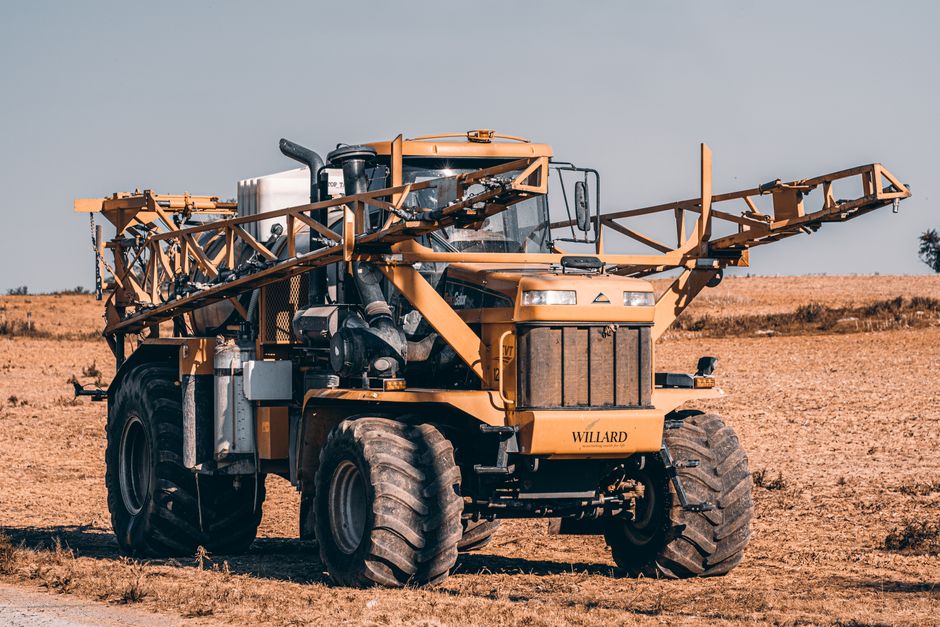
Before contacting suppliers, define your target market and product specifications. Consider factors like sprayer type (manual, backpack, boom, or drone), tank capacity, nozzle material, and power source (gasoline, battery, or manual). Analyze demand in your region: for example, knapsack sprayers are popular in small-scale farms, while trailed sprayers suit large plantations.
Key Considerations
- Certifications: CE, ISO, or EPA compliance may be required for your market.
- Spare parts availability: Ensure common parts (nozzles, pumps, hoses) are standardized.
- Warranty and after-sales support: Some Chinese manufacturers offer 1-2 year warranties.
Step 2: Finding Reliable Suppliers
Use B2B platforms like Alibaba, Made-in-China, or Global Sources. Filter by verified suppliers (Gold Supplier, Trade Assurance). Attend trade shows such as Canton Fair or EIMA International to meet manufacturers face-to-face. Alternatively, hire a sourcing agent in China to vet factories.
Red Flags to Avoid
- Unrealistically low prices (often indicate poor quality or hidden costs).
- Reluctance to provide factory audit reports or product samples.
- Vague business licenses or no physical address.
Step 3: Requesting Quotations and Samples
Send detailed RFQs (Request for Quotation) including technical specs, quantity, packaging, and target price. Request at least 3 quotes for comparison. Always order samples before bulk production—inspect material quality, weld strength, and nozzle performance. A sample cost of $50–$200 is typical and refundable on bulk orders.
Step 4: Negotiating Terms and Contract
Negotiate payment terms (commonly 30% deposit, 70% before shipment), delivery time (usually 15–30 days), and Incoterms (FOB, CIF, or EXW). Use a formal contract covering product specifications, quality standards, penalty clauses for delays, and dispute resolution (e.g., arbitration in Hong Kong).
Step 5: Quality Control and Inspection
Hire a third-party inspection company (SGS, Bureau Veritas) to check samples and pre-shipment batches. Inspect for: functionality (spray pattern, pressure consistency), material durability, and packaging integrity. A typical inspection costs $300–$500 per day.
Step 6: Logistics and Shipping
Choose between sea freight (20GP or 40HQ containers) for large volumes or air freight for urgent small orders. Common ports: Shanghai, Ningbo, Shenzhen. Prepare shipping documents: Bill of Lading, Commercial Invoice, Packing List, Certificate of Origin, and any required phytosanitary certificates. Use a freight forwarder to handle customs clearance.
Step 7: Customs Clearance and Import Duties
Classify your sprayer under HS code 8424.81 (agricultural sprayers). Import duties vary by country—typically 0%–5% for WTO members, plus VAT. Ensure your supplier provides correct HS code and product descriptions to avoid delays. Work with a customs broker if needed.
Step 8: Payment and Risk Management
Use secure payment methods: Letter of Credit (L/C) for large amounts, or T/T with Trade Assurance. Consider purchasing cargo insurance (0.3%–0.5% of invoice value) to cover loss or damage. Keep records of all communications and contracts.
Step 9: After-Sales Support and Building Long-Term Relationships
Once products arrive, test a random sample and provide feedback to the supplier. Stock spare parts for quick replacement. Consider a long-term partnership with the manufacturer for better pricing and priority service. Attend supplier’s factory annually to maintain quality.
Conclusion
Importing agricultural sprayers from China is a strategic move for B2B buyers seeking cost-effective, high-quality equipment. By following these nine steps—from market research to after-sales support—you minimize risks and build a profitable supply chain. Start with a small trial order, then scale up as trust grows. For expert assistance, contact our team for factory audits and sourcing solutions.