Company News
Cake Box Customization Options for Foreign Buyers – 10 Tips
1. Material Selection: Strength Meets Presentation
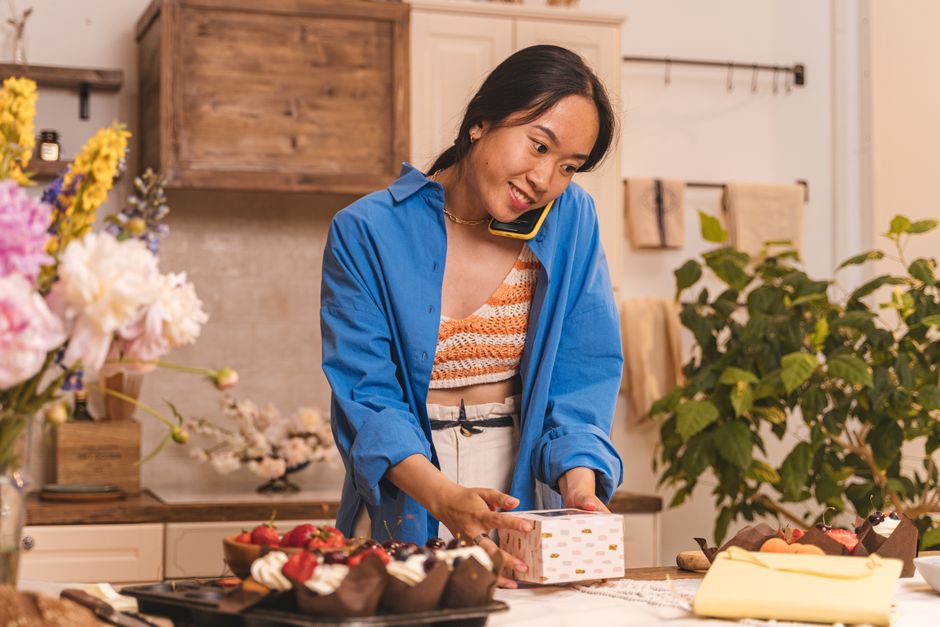
Choosing the right material is the foundation of any custom cake box. For foreign buyers, options include sturdy corrugated cardboard for shipping, elegant rigid paper for luxury cakes, and eco-friendly kraft paper for sustainable brands. Each material offers different levels of protection and aesthetic appeal. For example, corrugated boxes with a white liner provide excellent printability and strength, ideal for long-distance freight. Rigid boxes, often used for high-end patisserie, convey premium quality with a smooth finish and reinforced corners. Kraft paper boxes appeal to environmentally conscious markets, offering a natural look that can be customized with soy-based inks.
When selecting materials, consider the cake's weight, fragility, and the unboxing experience. A heavy multi-tier cake requires double-wall corrugation, while a single cupcake might be fine with lightweight cardstock. Always request material samples to test durability and print quality. Many manufacturers offer composite options, like a kraft exterior with a white interior, balancing eco-friendliness with a clean presentation surface.
2. Size and Shape Customization: Beyond Standard Dimensions
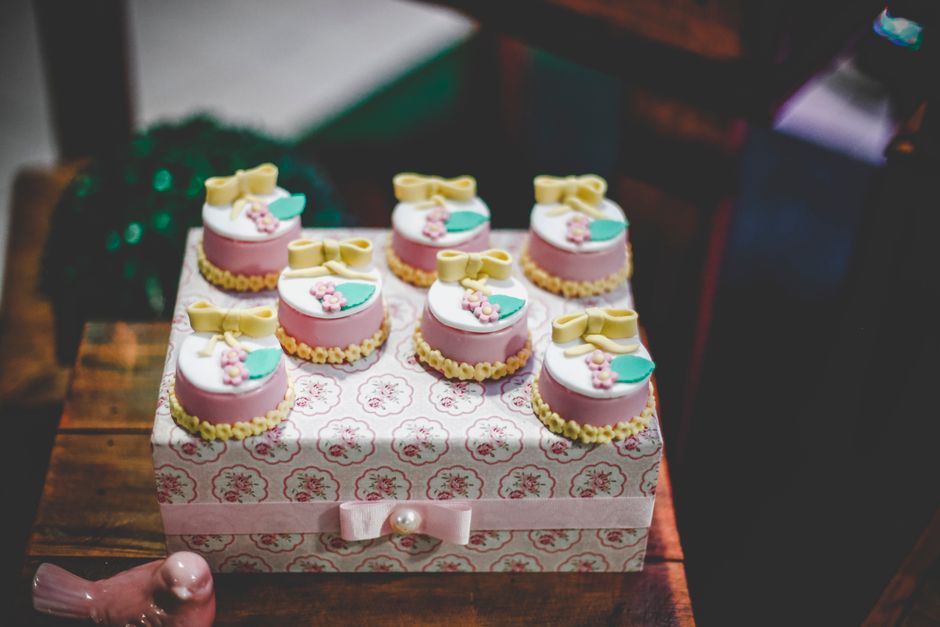
Foreign buyers often need non-standard sizes to fit unique cake designs. Customization can range from simple rectangular boxes to complex hexagonal, round, or even heart-shaped containers. The key is to provide precise internal dimensions to ensure a snug fit, preventing movement during transport. For example, a 10-inch round cake box should have a diameter of 10.5 inches to accommodate frosting and decorations. Height is equally critical; a tall cake with layers needs a box with at least 6 inches of clearance.
Shape customization also includes inserts and dividers for multiple cakes or cupcakes. A 2x2 cupcake insert keeps each pastry secure, while a custom foam cutout for a novelty cake prevents shifting. When specifying sizes, use millimeters for accuracy, and consider the stacking capability of boxes for efficient shipping. Many manufacturers offer a minimum order quantity (MOQ) for custom sizes, so plan your orders accordingly.
3. Printing Techniques: Branding That Stands Out
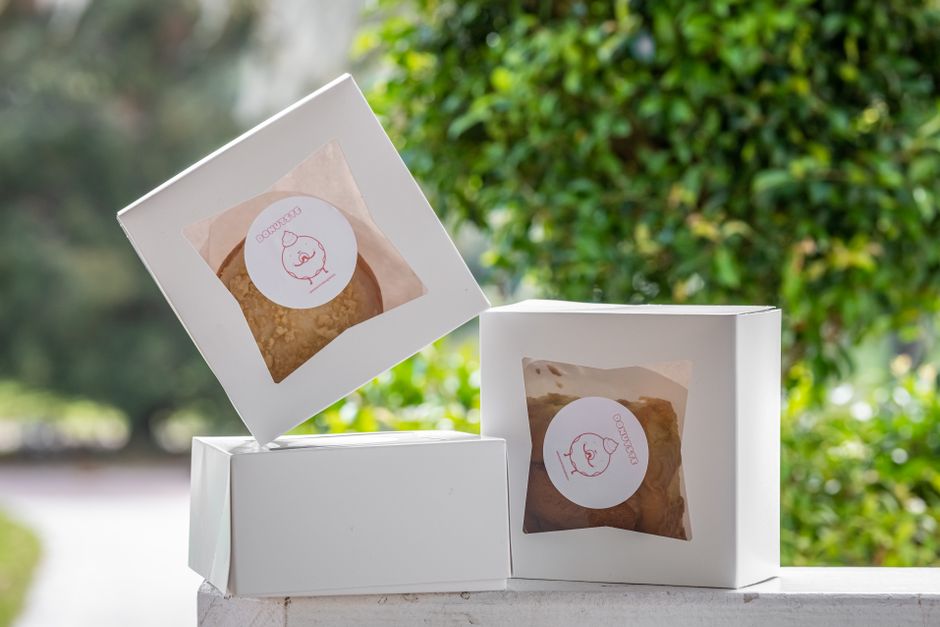
High-quality printing transforms a plain box into a powerful marketing tool. Offset printing is best for large quantities with consistent color, offering sharp images and Pantone matching. Digital printing suits smaller runs and allows for variable data, like different languages or logos per box. Flexography is cost-effective for simple designs on kraft or corrugated, while screen printing adds a tactile, raised effect for logos. For luxury boxes, consider foil stamping in gold or silver, or embossing/debossing to create a textured brand mark.
When choosing a printing method, consider your budget, order volume, and design complexity. Always request a proof before mass production. For foreign buyers, ensure the ink is food-safe and complies with local regulations (e.g., FDA for the US, EU directives). A well-printed box not only protects the cake but also enhances brand recognition and customer loyalty.
4. Window Options: See the Deliciousness Inside
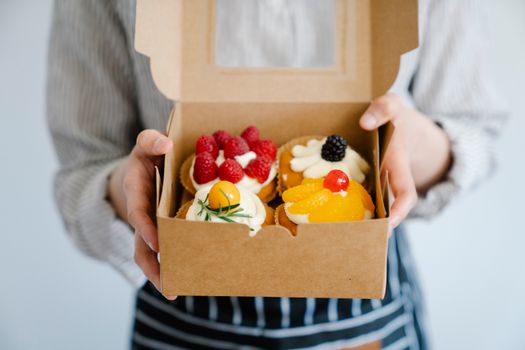
A clear window allows customers to view the cake without opening the box, increasing impulse purchases. Common window materials include PET plastic, which is clear and recyclable, and cellophane, which is biodegradable but less rigid. Windows can be cut in various shapes—round, square, heart, or custom die-cut—and positioned on the lid or side. For example, a top window showcases the cake's frosting design, while a side window reveals the layers.
When adding windows, consider the structural integrity of the box. A large window may weaken the lid, so reinforce with a thicker material or a secondary layer. Also, ensure the window is securely glued to prevent separation during shipping. For an upscale feel, use a window with a frosted or tinted finish. Always test the window's impact on product visibility and box strength before finalizing.
5. Finishing Touches: Coatings and Textures
Finishing options enhance both appearance and durability. A matte lamination gives a soft, sophisticated feel and reduces glare, while gloss lamination makes colors pop and provides a wipe-clean surface. Spot UV coating can be applied to specific areas like the logo, creating a shiny contrast against a matte background. For a natural look, consider a soft-touch coating that feels like velvet. Texture can also be added through embossing, creating raised patterns such as stripes or polka dots.
These finishes not only look great but also protect the box from moisture and scuffs. For example, a gloss laminate is ideal for boxes that may encounter condensation from chilled cakes. When selecting finishes, think about the unboxing experience—a smooth, tactile box conveys quality. Always request a sample with your chosen finish to ensure it meets your expectations.
6. Eco-Friendly Customization: Meeting Global Sustainability Demands
Sustainability is a top priority for many foreign buyers. Eco-friendly options include boxes made from recycled paper, FSC-certified cardboard, or biodegradable materials like bagasse (sugarcane fiber). Inks should be water-based or soy-based to minimize environmental impact. Additionally, consider designs that reduce material usage, such as foldable boxes that lie flat for shipping, or boxes with minimal glue. Some manufacturers offer compostable window films made from plant-based materials.
To market your eco-friendly boxes, include certification logos on the packaging, such as FSC, Green Seal, or the Mobius loop. Highlight recyclability instructions on the box. While sustainable materials may cost slightly more, they can command a premium price in eco-conscious markets. Always verify that your supplier's green claims are backed by certifications to avoid greenwashing.
7. Order Quantity and Lead Time: Planning for Success
Custom cake boxes typically have minimum order quantities (MOQs) ranging from 500 to 10,000 units, depending on complexity. Standard sizes and simpler designs have lower MOQs, while custom shapes or extensive printing require higher volumes. Lead times vary from 2 to 6 weeks, including design approval, sample production, and shipping. To avoid delays, provide clear specifications and artwork files (AI, PDF, or EPS) with proper bleed and resolution (300 dpi).
For first-time orders, consider a trial run with a smaller quantity to test the market. Build in extra time for shipping, especially for overseas orders. Many manufacturers offer warehousing and just-in-time delivery to reduce inventory costs. Communicate your timeline clearly and request a production schedule. A reliable supplier will keep you updated on progress and potential issues.
8. Cost Considerations: Balancing Quality and Budget
Customization costs depend on material, size, printing, and finishing. Bulk orders reduce per-unit cost, but initial setup fees for dies, plates, or screens can be significant. For example, a custom die-cut box may have a one-time tooling fee of $100–$500. Printing plates for offset can cost $50–$200 per color. To save money, standardize your box sizes and limit the number of print colors. Combining multiple products in one production run can also lower costs.
Request a detailed quote that breaks down tooling, material, printing, assembly, and shipping. Compare quotes from multiple suppliers, but don't sacrifice quality for price—a flimsy box can damage your brand. Consider the total landed cost, including customs duties and freight. A slightly higher per-unit cost may be worth it for a box that enhances your product's perceived value.
9. Quality Control: Ensuring Consistency Across Shipments
Before placing a large order, request pre-production samples to check dimensions, print color, structural strength, and overall finish. During production, ask for in-line quality checks and photos of the process. Specify acceptable tolerances (e.g., ±1mm for dimensions, ±5% for color density). For perishable goods like cakes, ensure the boxes are free from odors and dust. A good supplier will have a quality management system (ISO 9001) and provide a certificate of compliance.
Upon arrival, inspect a random sample of the shipment. Check for defects like misaligned printing, weak glue joints, or damaged boxes. Establish a clear return policy for defective items. Building a long-term relationship with a trusted manufacturer can lead to better quality consistency and flexibility.
10. Communication and Cultural Considerations
Working with foreign suppliers requires clear communication. Use simple English, avoid idioms, and confirm understanding by repeating key points. Respect cultural differences in business etiquette; for example, Chinese suppliers appreciate polite, relationship-building conversations before discussing terms. Time zones can be managed by scheduling regular calls or using project management tools like Trello or WeChat.
Be specific about your requirements: provide technical drawings, Pantone color codes, and detailed packaging specifications. When negotiating, be respectful but firm. Building a partnership based on trust and mutual benefit leads to better service and pricing. Always have a written contract that covers payment terms, delivery dates, and intellectual property rights.
Tags: B2B
Tags: wholesale
Tags: foreign trade
Tags: packaging tips
Tags: cake box customization
Keep reading
All articles