Company News
Cake Box Export Documentation: Essential Requirements Guide
What Are the Core Documents Required for Exporting Cake Boxes?
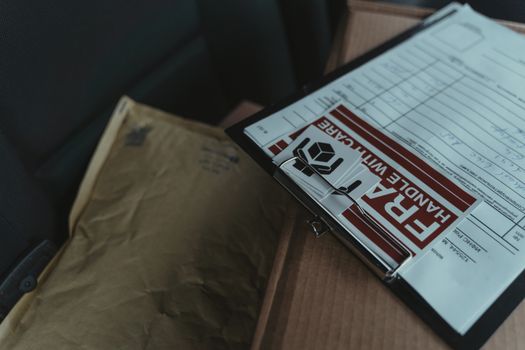
Exporting cake boxes involves a set of standard documents that prove the product's origin, quality, and compliance with international trade regulations. The most essential documents include the commercial invoice, packing list, bill of lading or airway bill, certificate of origin, and any phytosanitary certificates if the cake boxes are made from wood or contain organic materials. For B2B shipments, a sales contract or purchase order is also critical to define terms.
Additionally, depending on the destination country, you may need a fumigation certificate for wooden pallets, a material safety data sheet if using certain coatings, or a declaration of conformity to food contact regulations. Always verify with your freight forwarder or customs broker, as requirements can vary by country and product type.
How Do I Obtain a Certificate of Origin for Cake Boxes?
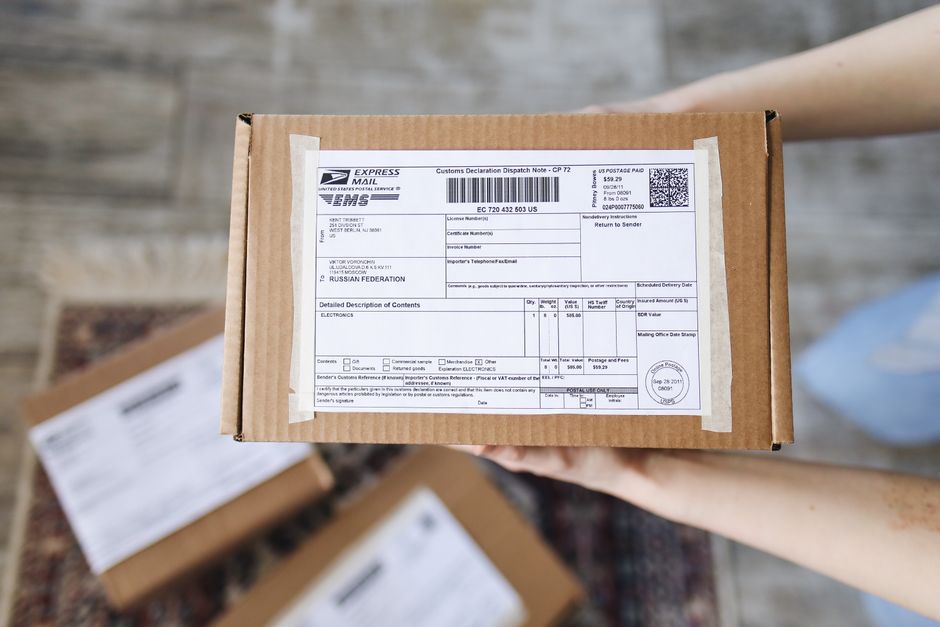
A Certificate of Origin (CO) is a document that certifies the country where the cake boxes were manufactured. It is often required by the importing country to assess duties and enforce trade agreements. To obtain a CO, you typically need to register with your local Chamber of Commerce or a designated trade authority. The process involves submitting the commercial invoice and a completed application form, along with proof of manufacturing, such as production records or supplier invoices for raw materials.
Many countries offer electronic COs through platforms like the eCO system. For preferential duty rates under free trade agreements (e.g., USMCA, EU FTAs), you may need a specific form like the EUR.1 or Form A. Ensure the CO is signed by an authorized chamber official and stamped. The exporter’s name and address must match the commercial invoice.
What Are the Labeling Requirements for Export Cake Boxes?
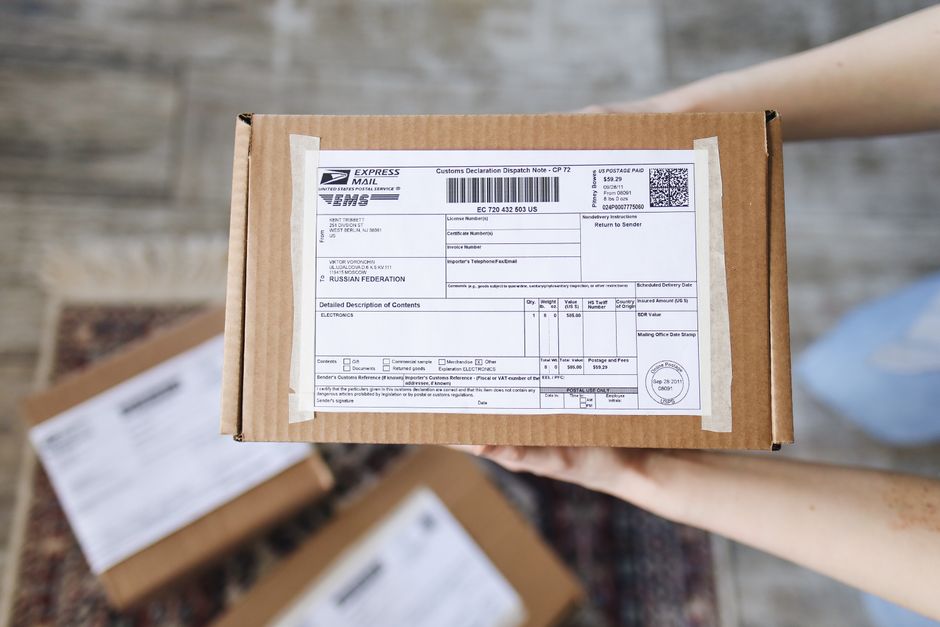
Labeling requirements for cake boxes vary by destination. For the EU, boxes must be marked with the manufacturer's name and address, the product description, and the 'CE' mark if they are considered food contact materials. The US FDA requires that cake boxes intended for direct food contact comply with FDA regulations and may need a statement of compliance. In many Asian markets, labels must include the country of origin, net weight, and dimensions in metric units.
Additionally, environmental labeling is becoming important. Some countries require recycling symbols or disposal instructions. If your cake boxes are made from recycled materials, you may highlight that with a green label. Always check with your importer for specific labeling demands, as mislabeling can lead to customs delays or fines.
Do I Need a Phytosanitary Certificate for Cake Boxes?
A phytosanitary certificate is required if the cake boxes are made from wood or other plant-based materials that could harbor pests. For example, if you export wooden cake boxes or boxes with wood components, many countries (especially Australia, New Zealand, and the EU) require a certificate confirming the wood has been treated (e.g., heat-treated or fumigated) and is free from pests. The certificate is issued by a national plant protection organization (NPPO) after inspection.
For paperboard or cardboard cake boxes, a phytosanitary certificate is generally not required, but some countries may ask for a declaration that the materials are free from live insects. If you use recycled paper, ensure it is free from contaminants. Always confirm with your buyer and customs agent to avoid surprises.
What Is the Role of the Bill of Lading in Cake Box Exports?
The Bill of Lading (B/L) is a legal document issued by the carrier (shipping line) that serves as a receipt for the cargo, a contract of carriage, and a document of title. For cake box exports, the B/L must accurately describe the goods, including the number of cartons, weight, dimensions, and container number. It also states the port of loading, port of discharge, and consignee information. A clean B/L (no damage or shortage noted) is essential for smooth customs clearance.
There are two main types: straight B/L (non-negotiable) and order B/L (negotiable). For L/C transactions, a negotiable B/L is often required. Ensure the B/L is signed by the carrier or their agent. Mistakes in the B/L can delay payment or release of goods, so double-check all details before issuing.
How to Prepare a Commercial Invoice for Cake Box Exports?
The commercial invoice is the primary document for customs valuation and duty calculation. It must include the seller and buyer details, invoice number and date, description of goods (e.g., 'Paperboard cake boxes, 1000 pcs'), harmonized system (HS) code, unit price, total value, currency, incoterms (e.g., FOB, CIF), and payment terms. For cake boxes, the HS code is typically 4819.20 (folding cartons, boxes, and cases of non-corrugated paper or paperboard).
It is crucial to declare the correct value to avoid under- or over-invoicing issues. Some countries require the invoice to be notarized or legalized by a chamber of commerce. Provide at least three copies: one for customs, one for the buyer, and one for your records. If shipping samples, mark them as 'No Commercial Value' with a nominal value.
What Are the Customs Clearance Procedures for Cake Boxes?
Customs clearance involves submitting the required documents to the customs authority of the importing country. The process typically starts when the goods arrive at the port. The importer or their broker files an entry summary with the commercial invoice, packing list, bill of lading, and any certificates. Customs will verify the HS code, value, and compliance with regulations. For cake boxes, they may check for food safety compliance if the boxes are in direct contact with food.
To expedite clearance, ensure all documents are complete and accurate. Some countries offer pre-clearance or AEO (Authorized Economic Operator) programs for trusted traders. Be prepared for potential inspections, especially if the boxes are made from unusual materials. Working with a reliable customs broker in the destination country is highly recommended.
How to Ensure Compliance with Food Contact Regulations for Cake Boxes?
Cake boxes that come into direct contact with food must comply with food contact material (FCM) regulations. In the EU, they must meet Regulation (EC) No 1935/2004, which requires materials not to transfer harmful substances to food. In the US, FDA 21 CFR 176.260 covers paper and paperboard. To comply, you should use food-grade inks, adhesives, and coatings. Obtain a declaration of compliance from your raw material suppliers.
You may need to conduct migration testing to prove that any chemicals do not exceed limits. Keep technical documentation that includes test reports and manufacturing process descriptions. Some importers may require a letter of guarantee or certification from an accredited lab. Non-compliance can lead to product rejection or legal liability.
What Are the Packing and Marking Requirements for Export Shipments?
Proper packing protects cake boxes during transit and ensures they arrive in good condition. Use sturdy export-grade cartons or crates, and consider using shrink wrap or dividers for fragile boxes. Mark each package with the consignee details, port of destination, country of origin, weight, and dimensions. Include handling marks such as 'Fragile' or 'Keep Dry' if necessary.
For containerized shipments, create a packing list that details the contents of each carton or pallet. Use barcodes or serial numbers for traceability. Some countries require marks indicating the manufacturer's code or batch number. Ensure all markings are durable and placed on at least two sides of each package.
How to Handle Documentation for Multiple Destinations?
When exporting cake boxes to multiple countries, you must tailor documents for each destination. This means different certificates of origin, labeling, and possibly different HS codes if the boxes have variations (e.g., with plastic windows). Maintain a master document checklist for each country, and use a document management system to track versions. Always verify the latest requirements with your buyer or a trade consultant.
Consider using a freight forwarder that specializes in your target markets. They can help consolidate shipments and prepare consolidated documents if you have multiple orders. Keep digital copies of all documents for at least five years for audit purposes.
Tags: food packaging
Tags: export
Tags: cake box
Tags: documentation
Tags: customs
Keep reading
All articles