Company News
Sustainable Cake Box Packaging: A Guide for Exporters
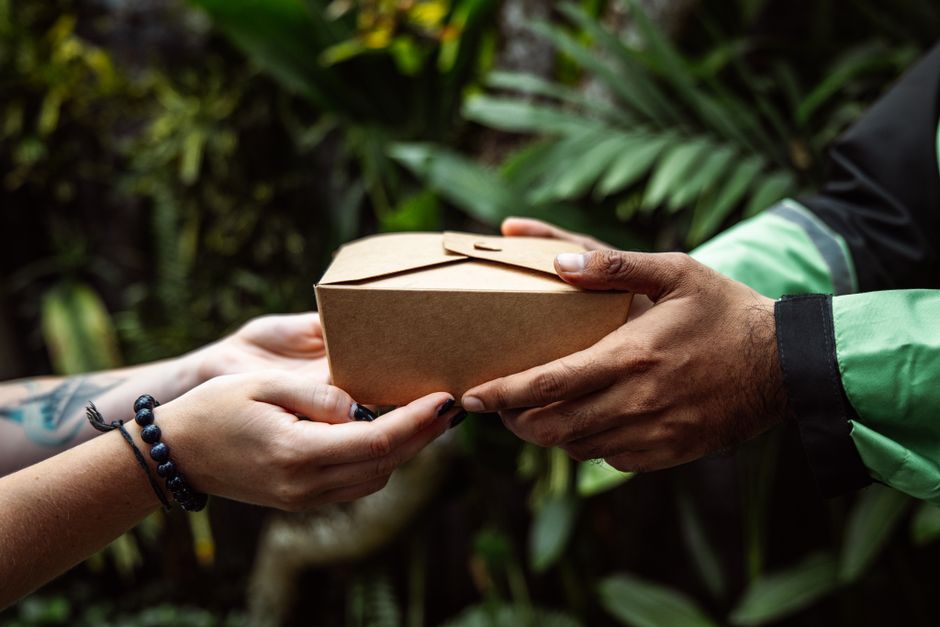
Introduction to Sustainable Cake Box Packaging for Exporters
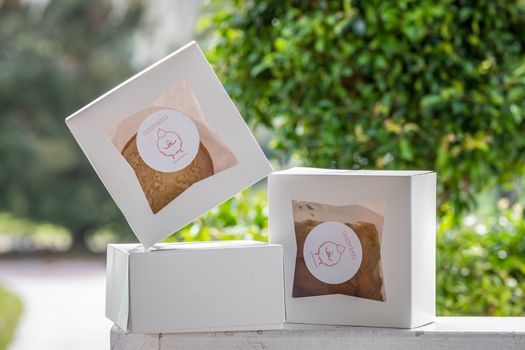
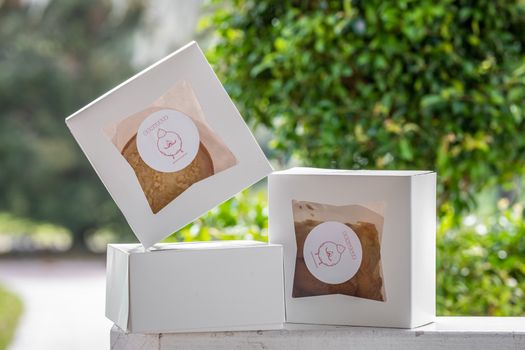
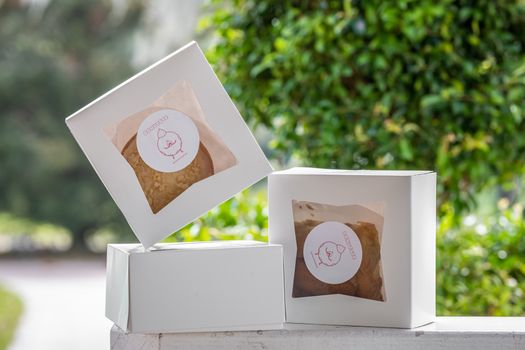
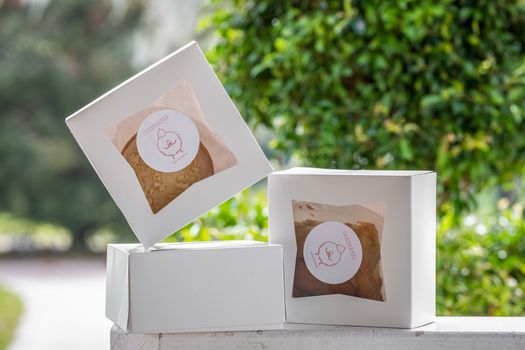
As global demand for eco-friendly products rises, B2B manufacturers in the cake box industry must adapt to sustainable packaging solutions. This guide provides exporters with actionable insights to meet international standards, reduce environmental impact, and gain a competitive edge. From material selection to supply chain optimization, we cover everything you need to know about sustainable cake box packaging.
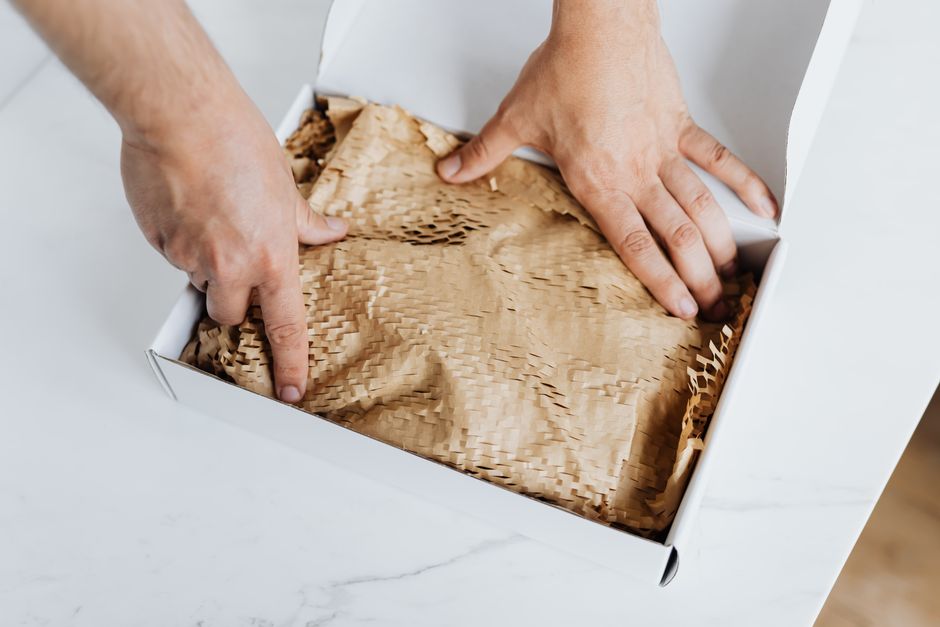
Why Sustainable Packaging Matters in Cake Box Exports
Exporters face increasing pressure from retailers, consumers, and regulators to adopt sustainable practices. Key drivers include:
- Regulatory Compliance: The EU Single-Use Plastics Directive and similar laws restrict non-recyclable packaging.
- Consumer Demand: 74% of consumers are willing to pay more for sustainable packaging (McKinsey, 2023).
- Brand Reputation: Sustainable packaging enhances brand image and opens doors to premium markets.
- Cost Savings: Lightweight eco-materials reduce shipping costs and waste disposal fees.
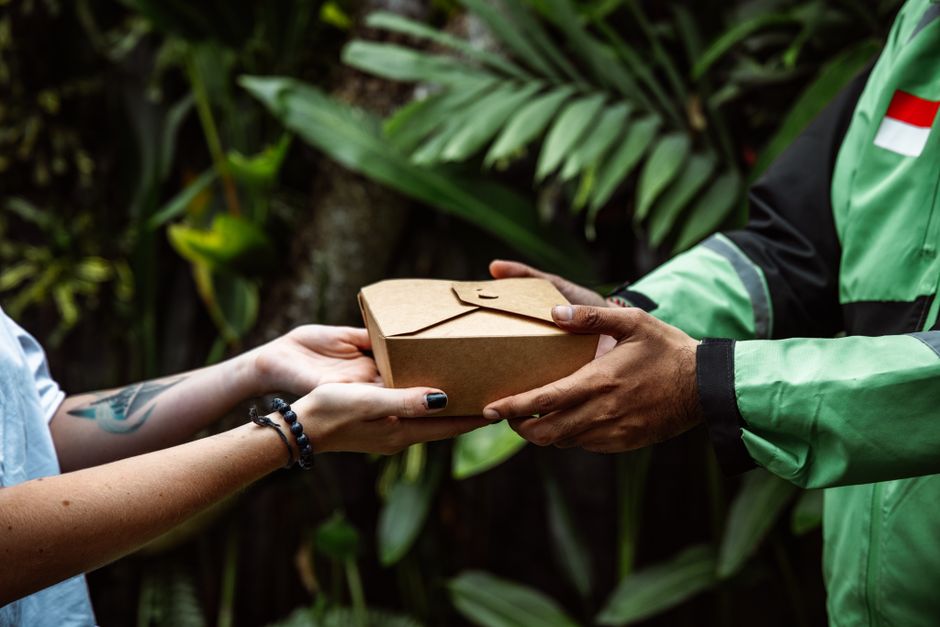
Eco-Friendly Materials for Cake Box Packaging
1. Recycled Cardboard
Post-consumer recycled (PCR) cardboard reduces virgin fiber use by up to 70%. Ensure it's food-grade and free of contaminants. Look for FSC certification.
2. Kraft Paper
Unbleached kraft paper is biodegradable and offers a rustic aesthetic. Use for inner liners or outer wraps. Combine with water-based adhesives.
3. PLA (Polylactic Acid) Windows
Replace traditional plastic windows with PLA derived from corn starch. Compostable in industrial facilities. Specify “home compostable” if needed.
4. Bamboo Fiber
Bamboo is fast-growing and requires no pesticides. Use for rigid boxes or trays. Mix with recycled pulp for strength.
5. Mushroom Mycelium
Innovative foam alternative grown from agricultural waste. Compostable and lightweight. Ideal for custom shapes.
Design Strategies for Sustainable Cake Boxes
Optimize design to minimize material usage and waste:
- Right-Sizing: Custom-fit boxes reduce void fill and cardboard consumption by up to 30%.
- Mono-Material Construction: Use a single material for easy recycling (e.g., all-cardboard with no plastic windows).
- Easy Disassembly: Design boxes that collapse flat for efficient shipping and recycling.
- Minimalist Printing: Use water-based inks and reduce ink coverage. Consider leaving areas unprinted.
- Reusable Elements: Add handles or closures that encourage reuse, like ribbon ties or snap-lock tabs.
Certifications and Standards for Exporters
Certifications validate sustainability claims and facilitate market access. Key certifications include:
| Certification | Focus | Relevance |
|---|---|---|
| FSC (Forest Stewardship Council) | Responsible forestry | Required by many retailers |
| PEFC (Programme for the Endorsement of Forest Certification) | Sustainable forest management | Alternative to FSC |
| OK Compost HOME | Home compostability | For biodegradable plastics |
| EU Ecolabel | Overall environmental performance | Widely recognized in Europe |
| Green Seal | Lifecycle-based standards | US market |
Cost Implications and ROI
While sustainable materials may have higher upfront costs (10-25% more), long-term benefits offset them:
- Reduced shipping weight lowers freight costs by 5-15%.
- Eco-friendly packaging can command a 5-10% price premium.
- Waste reduction decreases disposal fees.
- Positive brand perception drives repeat business.
Conduct a total cost of ownership (TCO) analysis to evaluate net savings over 3-5 years.
Supply Chain Considerations
Sourcing
Partner with suppliers who offer certified materials and transparent sourcing. Request Environmental Product Declarations (EPDs) for data-driven decisions.
Manufacturing
Optimize production for minimal waste. Use solar-powered facilities or carbon offsets. Implement lean manufacturing to reduce energy use.
Logistics
Use flat-packed designs to maximize container space. Consolidate shipments to reduce carbon footprint. Choose logistics partners with green fleets.
Marketing Your Sustainable Cake Boxes
Leverage sustainability as a differentiator:
- Include clear recycling instructions on packaging.
- Highlight certifications on product pages and packaging.
- Share your sustainability story through blog posts and social media.
- Offer take-back programs for used boxes to close the loop.
Case Studies: Successful Sustainable Cake Box Exporters
EcoBake Ltd. (Germany)
Switched to 100% recycled cardboard with PLA windows. Reduced carbon footprint by 40% and increased sales by 25% in eco-conscious markets.
GreenPack Asia (Thailand)
Used bamboo fiber trays for premium cake boxes. Achieved OK Compost HOME certification. Entered EU market with a 15% premium.
Future Trends in Sustainable Cake Box Packaging
- Edible packaging (e.g., wafer-based boxes).
- Smart packaging with QR codes for recycling info.
- Blockchain for traceability of sustainable materials.
- AI-driven design to optimize material usage.
Conclusion
Sustainable cake box packaging is not just a trend but a necessity for exporters. By choosing eco-friendly materials, optimizing design, obtaining certifications, and managing costs, you can meet market demands while contributing to environmental stewardship. Start your journey today to future-proof your export business.
Tags: B2B
Tags: sustainable packaging
Tags: eco-friendly
Tags: export guide
Tags: cake boxes
No more
Keep reading
All articles