
Introduction to Air Compressor Export from China
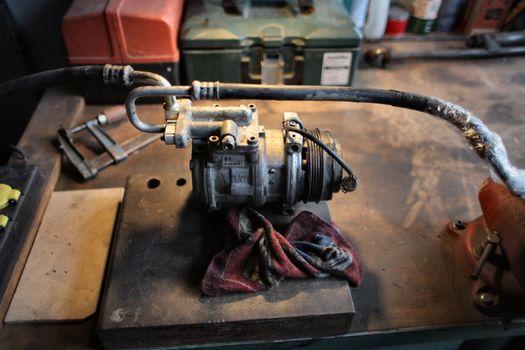
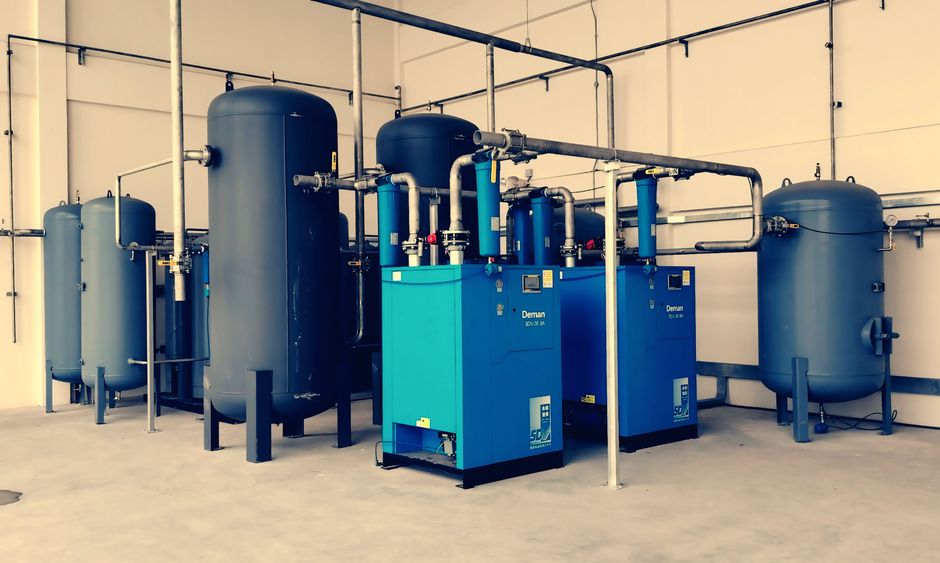
China is the world's largest manufacturer of air compressors, supplying a wide range of industrial, medical, and energy-sector equipment globally. Exporting air compressors from China involves navigating complex regulations, quality standards, and logistics. This guide provides a comprehensive overview of the key requirements for B2B exporters, including certifications, documentation, packaging, and customs clearance.
Key Export Certifications and Standards
CE Marking (European Union)
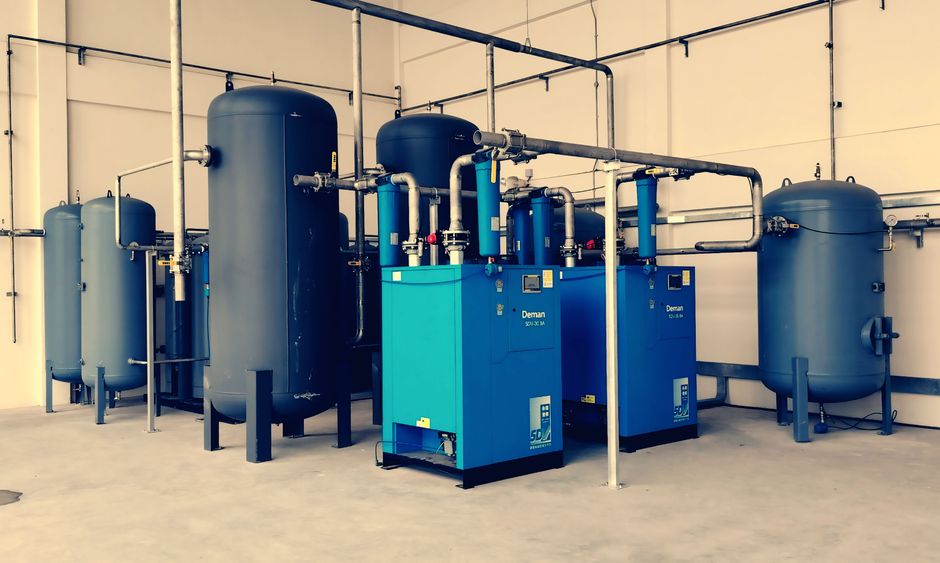
For air compressors destined for the EU, CE marking is mandatory. It indicates conformity with health, safety, and environmental standards. Applicable directives include the Machinery Directive (2006/42/EC), Low Voltage Directive (2014/35/EU), and Pressure Equipment Directive (2014/68/EU). Ensure your compressor meets essential requirements and carries a Declaration of Conformity.
ASME Certification (United States)
The American Society of Mechanical Engineers (ASME) certification is often required for pressure vessels and boilers. If your air compressor includes a receiver tank, ASME Section VIII Division 1 certification ensures safe design and manufacturing. Many US buyers demand ASME stamps.
ISO 9001 Quality Management
While not always mandatory, ISO 9001 certification demonstrates a commitment to quality and is highly valued by international buyers. It covers production processes, testing, and continuous improvement.
Other Regional Certifications
- EAC (Eurasian Economic Union): Required for Russia, Belarus, Kazakhstan, and other CU members.
- CSA (Canada): For Canadian market, especially electrical safety.
- UL (United States): For electrical components and safety.
- GB Standards (China): Chinese national standards, often required for domestic use but also referenced in export contracts.
Required Export Documentation
Proper documentation is critical for smooth customs clearance. Below is a checklist:
| Document | Description |
|---|---|
| Commercial Invoice | Details of buyer/seller, product description, HS code, quantity, unit price, total value, payment terms. |
| Packing List | Weight, dimensions, number of packages, marks, and numbers. |
| Bill of Lading (B/L) or Airway Bill | Evidence of contract of carriage and receipt of goods. |
| Certificate of Origin | May be required for preferential tariff treatment (e.g., Form A for GSP, or ordinary CO). |
| Inspection Certificate | Pre-shipment inspection by third party (e.g., SGS, Bureau Veritas) if requested. |
| Insurance Certificate | Proof of cargo insurance (usually buyer's responsibility, but can be arranged by seller). |
| Export License | Check if your product falls under restricted export items. Air compressors generally don't require a license unless dual-use (military). |
HS Code Classification and Tariffs
Air compressors fall under HS code 8414 (Air or vacuum pumps, compressors, etc.). The specific subheading depends on type:
- 8414.80 – Other pumps and compressors (e.g., reciprocating, rotary, centrifugal).
- 8414.90 – Parts.
Tariff rates vary by destination. For example, US tariffs on Chinese air compressors may include 25% Section 301 duties. Check current HTS codes and apply for exclusions if applicable.
Packaging and Labeling Requirements
Packaging for Sea Freight
Air compressors are heavy machinery. Use sturdy wooden crates with proper bracing. Ensure rust protection by applying anti-corrosion oil or VCI (Vapor Corrosion Inhibitor) packaging. For sensitive electronics, use moisture-proof bags with desiccants.
Labeling
Each package must have a shipping mark including:
- Consignee name and address
- Port of destination
- Package number (e.g., 1/10)
- Gross and net weight
- Dimensions
- Handling instructions (e.g., “Use No Hooks”, “Keep Dry”)
Also include country of origin marking: “Made in China” in English or local language.
Logistics and Shipping Considerations
Choose Incoterms carefully. For B2B, FOB (Free on Board) or CIF (Cost, Insurance, Freight) are common. For FOB, you deliver to the Chinese port; for CIF, you arrange shipping and insurance to the destination port.
Select a freight forwarder experienced in heavy machinery. Ensure they handle customs clearance both in China and destination. For large orders, consider LCL (Less than Container Load) for smaller volumes, or FCL (Full Container Load) for cost efficiency.
Quality Control and Pre-Shipment Inspection
To avoid disputes, implement a quality control plan:
- In-process inspection: Check casting, machining, assembly.
- Final inspection: Test performance (pressure, flow, noise), safety features, and electrical compliance.
- Pre-shipment inspection: Hire a third-party agency to verify quantity, packaging, and labeling.
Common defects include oil leaks, incorrect voltage, and missing accessories. Provide a checklist to your factory.
Common Pitfalls and How to Avoid Them
- Incorrect HS code: Leads to wrong duties or delays. Use CUSTOMS TARIFF SCHEDULE and consult a broker.
- Missing certifications: Buyers may reject goods if CE/ASME missing. Confirm requirements before production.
- Poor packaging: Causes damage during transit. Use export-grade materials.
- Language barriers: Ensure manuals and labels are in the destination language (e.g., English, Spanish, Arabic).
- Payment terms: Use letters of credit (L/C) for new buyers, or partial advance payment to mitigate risk.
Conclusion
Exporting air compressors from China requires meticulous planning. By understanding certification requirements, preparing accurate documentation, and ensuring proper packaging, you can streamline your export process. Partner with experienced freight forwarders and quality inspectors to build trust with international buyers. Start with small shipments to test the waters, and gradually scale up as you gain expertise.
For more detailed assistance, consult a trade specialist or visit your local Chamber of Commerce.