
Introduction
When exporting air compressors, choosing between oil-free and oil-lubricated models is a critical decision that affects product performance, maintenance, and customer satisfaction. This article compares both types across key parameters to help B2B manufacturers select the best option for their target markets.
What Are Oil-Free Air Compressors?
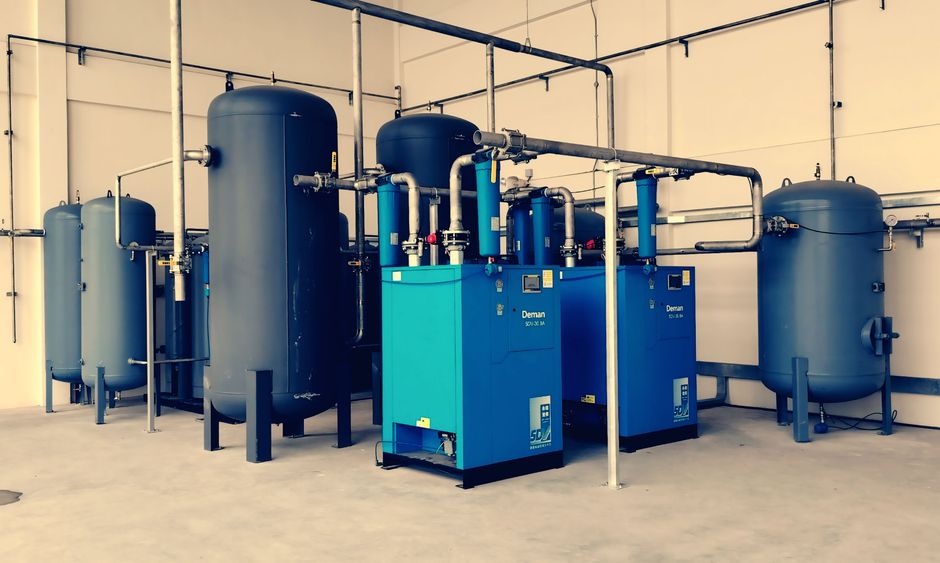
Oil-free compressors use pre-lubricated bearings and special coatings (like Teflon) instead of oil for lubrication. They deliver 100% oil-free compressed air, making them ideal for sensitive industries like food processing, pharmaceuticals, and electronics.
Key Features
- No oil in the compression chamber
- Lower maintenance (no oil changes)
- Cleaner air output
- Often more expensive upfront
- Higher operating temperatures
What Are Oil-Lubricated Air Compressors?
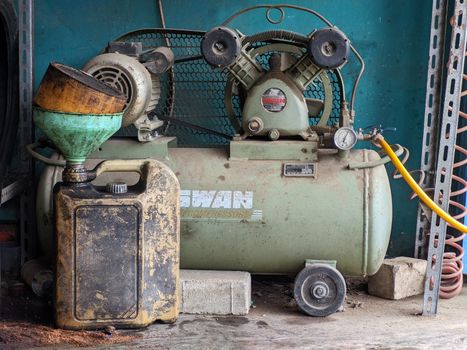
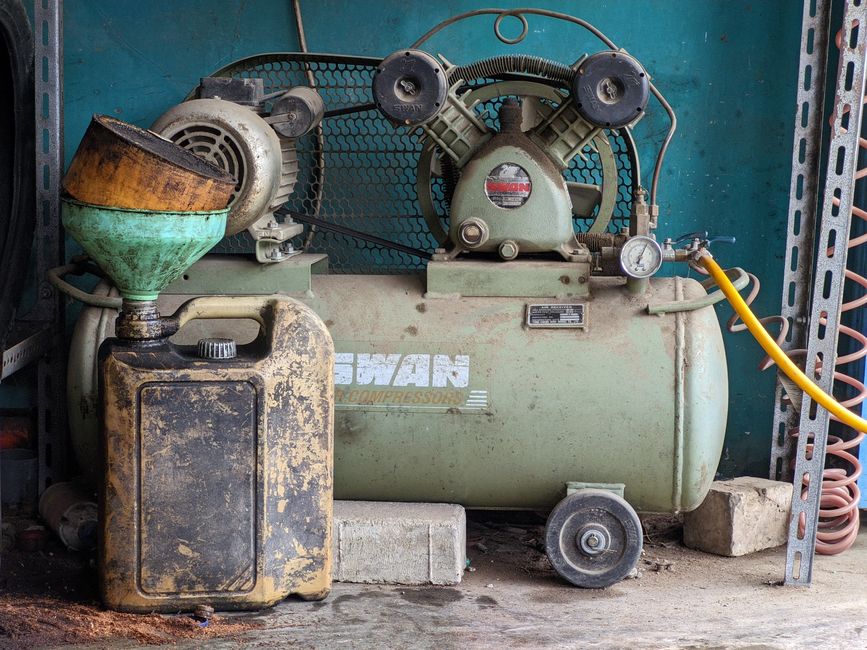
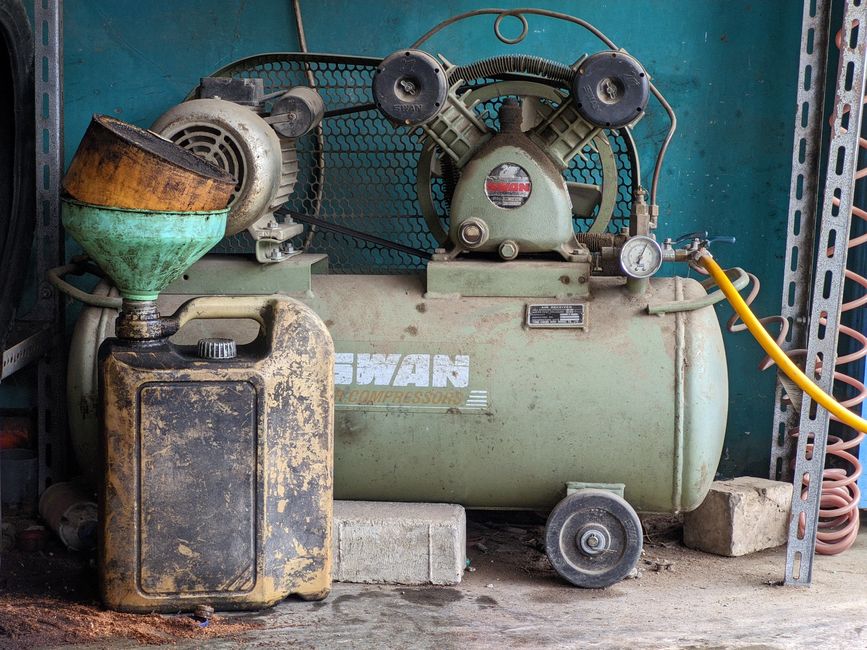
Oil-lubricated compressors use oil to lubricate moving parts, cool the system, and seal gaps. They are robust, durable, and cost-effective for general industrial use.
Key Features
- Oil injection for lubrication and cooling
- Lower initial cost
- Higher efficiency and longer lifespan
- Requires regular oil changes and filter replacements
- Risk of oil contamination in air output
Comparison Table
| Parameter | Oil-Free | Oil-Lubricated |
|---|---|---|
| Air Quality | 100% oil-free | May contain oil traces |
| Maintenance | Low (no oil changes) | Moderate (oil & filter changes) |
| Initial Cost | Higher | Lower |
| Operating Cost | Higher energy consumption | Lower energy consumption |
| Lifespan | Shorter (bearings wear out) | Longer (oil protects parts) |
| Noise Level | Quieter | Louder |
| Temperature | Higher discharge temperature | Lower discharge temperature |
| Applications | Medical, food, electronics | General manufacturing, construction |
Pros and Cons
Oil-Free Compressors
Pros: No oil contamination, low maintenance, suitable for sensitive industries, environmentally friendly (no oil disposal).
Cons: Higher upfront cost, shorter lifespan, less energy-efficient, limited to lower pressures.
Oil-Lubricated Compressors
Pros: Lower cost, higher efficiency, longer lifespan, handles higher pressures, robust for heavy-duty use.
Cons: Oil contamination risk, regular maintenance required, oil disposal issues, not suitable for clean air applications.
Which One Should You Export?
The choice depends on your target market and customer needs. For export to regions with strict air quality regulations (e.g., EU, North America) or industries like healthcare and food, oil-free compressors are recommended. For cost-sensitive markets or general industrial use, oil-lubricated models are more competitive.
Recommendation
For most B2B export scenarios, we recommend offering both types to cover diverse customer requirements. However, if you must choose one, oil-lubricated compressors are generally more versatile and cost-effective for a broader market. Invest in oil-free models only if you have a clear demand from clean-air applications.
Conclusion
Both oil-free and oil-lubricated compressors have their place in the export market. By understanding the differences and aligning with customer needs, you can make an informed decision that maximizes sales and satisfaction.