
Introduction
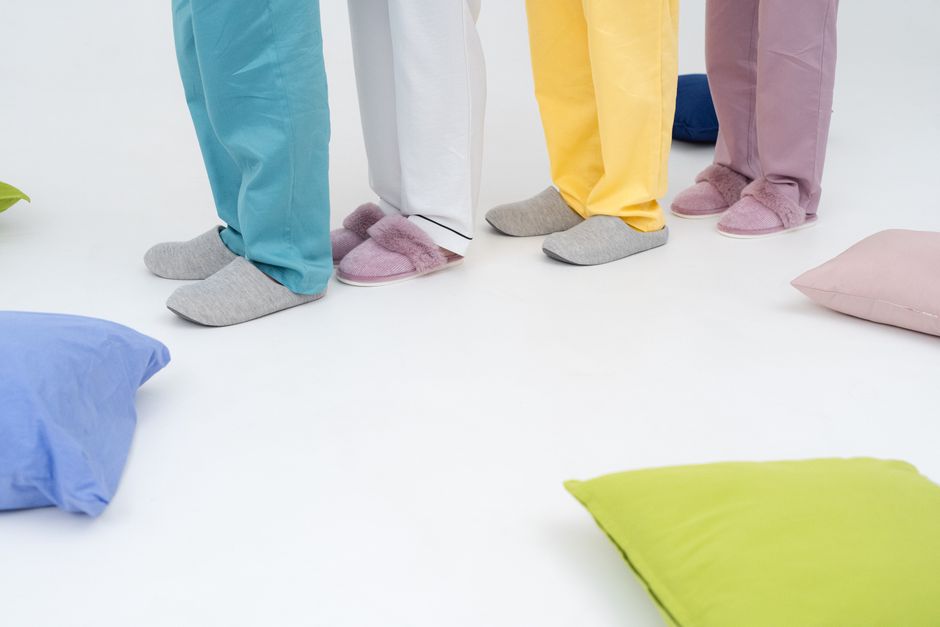
Hotel slippers have long been a staple of guest comfort, but the industry is shifting toward sustainability. Bamboo hotel slippers are emerging as the eco-friendly alternative that luxury hotels and eco-resorts are adopting. This article provides a detailed review of bamboo slippers, weighing their pros and cons, comparing them with traditional options, and offering recommendations for hoteliers.
What Are Bamboo Hotel Slippers?
Bamboo hotel slippers are made from bamboo fibers, which are renewable, biodegradable, and naturally antibacterial. Unlike synthetic slippers that take centuries to decompose, bamboo slippers break down quickly, reducing environmental impact. They are also soft, breathable, and hypoallergenic, making them ideal for guest use.
Key Features
- Eco-friendly material
- Natural antibacterial properties
- Soft and breathable
- Biodegradable
- Renewable resource

Pros and Cons
Pros
- Sustainability: Bamboo grows quickly without pesticides, making it a green choice.
- Comfort: Bamboo fibers are soft and moisture-wicking, keeping feet dry.
- Antibacterial: Naturally resistant to bacteria and odors.
- Biodegradable: Decomposes naturally, unlike synthetic slippers.
- Brand Image: Enhances eco-friendly reputation for hotels.
Cons
- Cost: Higher upfront cost compared to standard synthetic slippers.
- Durability: May wear out faster than synthetic options.
- Limited Design Variety: Fewer color and style options.
- Moisture Sensitivity: Can become less durable when wet.
- Availability: Not as widely available as traditional slippers.
Comparison Table: Bamboo vs. Traditional Hotel Slippers
| Feature | Bamboo Slippers | Traditional Synthetic Slippers |
|---|---|---|
| Material | Bamboo fibers (natural) | Polyester, foam, plastics |
| Eco-Friendliness | High (biodegradable) | Low (non-biodegradable) |
| Comfort | Soft, breathable | Varies, often less breathable |
| Durability | Moderate | High |
| Cost per pair | $3–$6 | $1–$3 |
| Antibacterial | Natural | None unless treated |
| Brand Perception | Eco-luxury | Standard |
Rating and Evaluation
We evaluated bamboo slippers based on five criteria: sustainability, comfort, durability, cost-effectiveness, and guest satisfaction. Each criterion scored out of 10.
Ratings
- Sustainability: 10/10 – Excellent eco-credentials.
- Comfort: 9/10 – Soft and breathable, but some find them less plush than memory foam.
- Durability: 6/10 – Good for short-term use, but may not last multiple washes.
- Cost-Effectiveness: 7/10 – Higher initial cost, but long-term environmental benefits.
- Guest Satisfaction: 8/10 – Positive feedback from eco-conscious guests.
Overall Rating: 8/10 – Highly recommended for hotels targeting sustainability.
Recommendations
For hotels looking to reduce their carbon footprint, bamboo slippers are an excellent choice. Pair them with other eco-friendly amenities like recycled paper slippers, bamboo key cards, and organic toiletries. For luxury properties, consider bamboo slippers with a thicker sole and added cushioning to enhance comfort. For budget hotels, a hybrid solution (bamboo upper with recycled foam sole) can balance cost and sustainability.
Top Brands to Consider
- EcoSlippers: 100% bamboo, fully biodegradable, starting at $4.50/pair.
- GreenStep: Bamboo with natural latex sole, $5.00/pair.
- Bamboo Luxe: Premium bamboo slippers with organic cotton lining, $6.00/pair.
Conclusion
Bamboo hotel slippers are more than a trend—they are a step toward a sustainable future. While they come with a higher price tag and some durability concerns, their environmental benefits and guest appeal make them a worthwhile investment. Hotels that adopt bamboo slippers not only reduce waste but also align with the growing demand for eco-friendly travel. As the hospitality industry evolves, bamboo slippers are poised to become the new standard.