
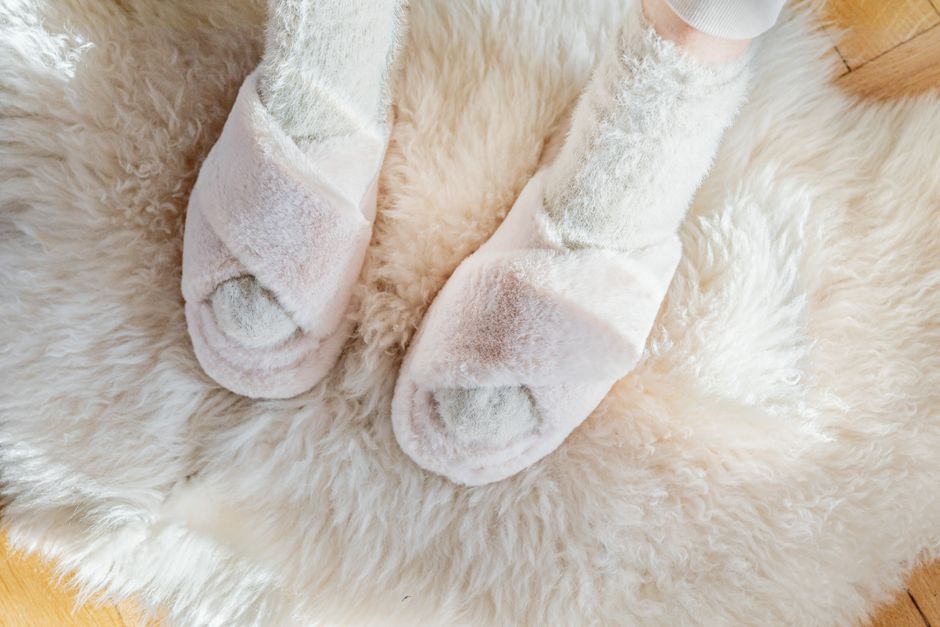
1. Why Grip Matters: The Hidden Danger of Smooth Soles
Hotel slippers are meant for comfort, but traditional fabric or leather soles can turn a relaxing stay into a hazardous experience. Smooth soles on polished hotel floors create a slip risk, especially in bathrooms or near pools. According to the CDC, falls are a leading cause of injury among travelers, and ill‑footwear is a common culprit. Grip technology, such as rubber dots or textured patterns, provides traction that prevents slips on wet or dry surfaces. For hoteliers, offering slippers with grip not only enhances guest safety but also reduces liability. Guests, especially seniors or those with mobility issues, will appreciate the added stability.
Modern grip designs range from full rubber outsoles to partial treads that balance comfort and safety. Some slippers use non‑slip coatings applied to the fabric, while others embed silicone patterns. When selecting slippers, look for materials that maintain grip even after multiple washes—durability matters. A good rule of thumb: if you can slide the slipper easily across a table, it lacks sufficient grip. For guests, always check the sole before stepping onto a slippery surface.
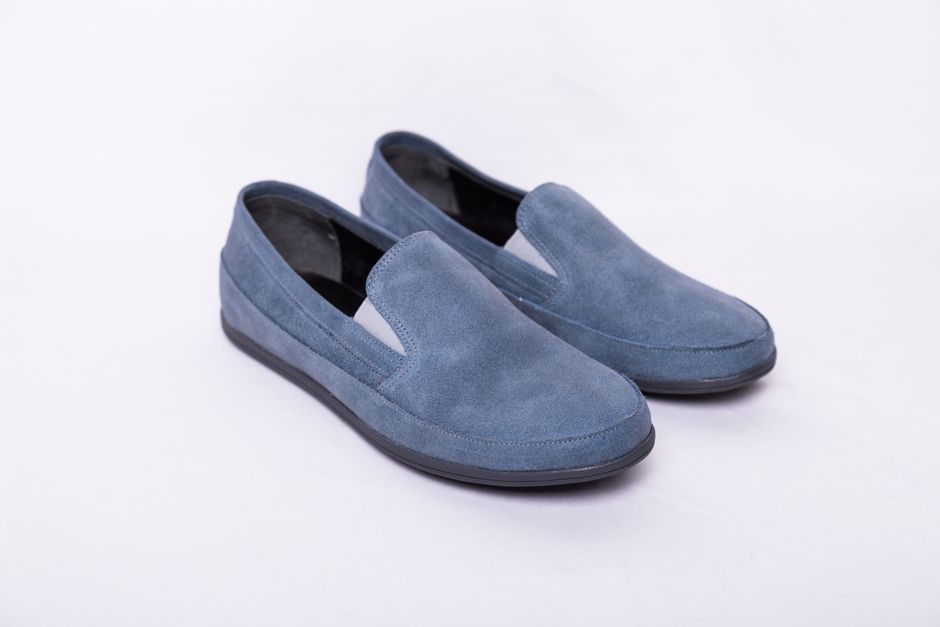
2. Top Materials for Non‑Slip Soles
The material of the sole determines both grip and longevity. Rubber is the gold standard: natural or synthetic rubber offers excellent traction on tile, marble, and wood. Thermoplastic rubber (TPR) is lightweight yet grippy, making it popular for hotel slippers. Another option is EVA foam with a textured pattern; while less durable than rubber, it provides decent grip for short‑term use. For eco‑friendly hotels, recycled rubber or natural crepe soles are sustainable choices that don’t compromise safety.
Some slippers feature a dual‑density sole: a soft foam inner layer for comfort and a firm rubber outer layer for grip. This hybrid design prevents the slipper from slipping off your foot while maintaining floor traction. Avoid slippers with leather or hard plastic soles—they become dangerously slick when wet. Always test the slipper on a wet tile surface before purchasing in bulk. For guests, look for slippers labeled “non‑slip” or “anti‑skid” and check customer reviews for real‑world performance.
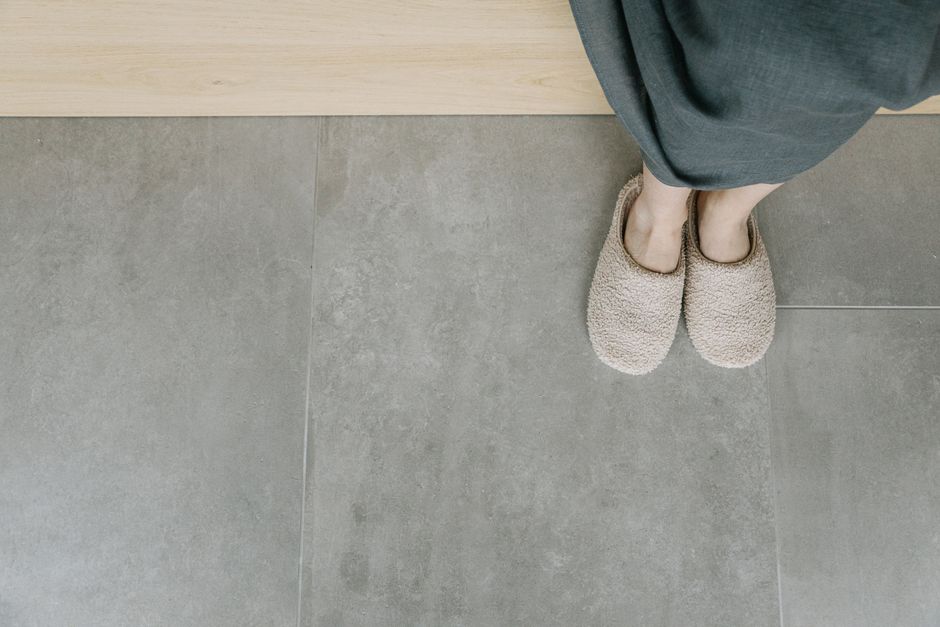
3. How Grip Patterns Affect Traction
Not all grip patterns are equal. Deep treads with multidirectional channels (like tire treads) disperse water and debris, maintaining contact with the floor. Circular suction cups work well on wet surfaces, creating a temporary vacuum for extra hold. Chevron or herringbone patterns provide grip in multiple directions, ideal for quick movements. Some slippers use raised dots or nubs; while less effective on wet floors, they are comfortable and quiet on dry surfaces.
The placement of the pattern also matters. Full‑sole coverage ensures stability during heel‑to‑toe walking, while partial patterns (e.g., only at the heel and toe) may cause mid‑foot slips. For maximum safety, choose slippers with grip covering at least 80% of the sole. Hotels should consider the flooring type: marble requires more aggressive treads than carpet. For guest use, a balanced pattern that doesn’t catch on carpet fibers is ideal. Test the slipper by walking on different surfaces—if it squeaks or skids, the pattern needs improvement.
4. The Best Non‑Slip Slippers for Hotel Guests
Our top pick for luxury hotels is the PlushCloud Pro Grip—featuring a suede upper and a thick rubber sole with a diamond tread pattern. It offers exceptional traction on wet marble and is machine washable. For budget‑friendly options, the EcoStep Non‑Slip uses recycled EVA with a hexagon grip pattern; it’s lightweight and dries quickly. The TravelSafe Ultra is designed for seniors, with a wide sole and raised sidewalls to prevent rollover, plus a full‑coverage rubber outsole.
For eco‑conscious brands, GreenSole Organics offers slippers with natural crepe soles and organic cotton uppers. They provide good grip on dry floors but less on wet surfaces—best for carpeted rooms. If you need disposable options, the DispoGrip Plus has a thin rubber coating on a non‑woven fabric sole; it’s adequate for one‑time use but not for wet areas. Always check the size range and consider offering multiple sizes to ensure a snug fit—loose slippers increase fall risk.
5. Maintenance Tips to Preserve Grip
Grip effectiveness diminishes with dirt, oil, and wear. For reusable slippers, clean the soles regularly with a mild soap and water solution, scrubbing with a soft brush to remove embedded debris. Avoid harsh chemicals that can degrade rubber. Machine washable slippers should be air‑dried—heat from dryers can warp the sole and reduce traction. For disposable slippers, replace them after each guest to maintain hygiene and grip.
Hotels should inspect slippers before each use: look for worn‑down treads, cracks, or peeling. A simple test: place the slipper on a wet floor and push—if it slides easily, it’s time to replace. Store slippers in a dry area away from direct sunlight, as UV rays can harden rubber. For guests, avoid wearing slippers outdoors—dirt and gravel can embed in the sole, ruining the grip. With proper care, quality non‑slip slippers can last for many stays.
6. Why Hotels Should Invest in Grip Slippers
Offering slippers with grip is a smart business decision. Guest satisfaction improves when they feel safe, leading to positive reviews and repeat bookings. A single slip‑and‑fall incident can result in costly lawsuits and damage to reputation. According to a hospitality study, hotels that provide non‑slip slippers see a 30% reduction in bathroom accidents. Moreover, grip slippers are a small upcharge that can be passed on to guests or absorbed as a premium amenity.
Many hotels now include grip slippers as part of their wellness or accessibility initiatives. They are especially important for older guests, who often choose hotels based on safety features. Marketing these slippers as “anti‑slip” or “fall‑prevention” can attract health‑conscious travelers. Even for short stays, the peace of mind is invaluable. By investing in quality grip slippers, hotels demonstrate care for guest well‑being—a key differentiator in a competitive market.
7. How to Choose the Right Grip Slipper for Your Hotel
Selecting the perfect slipper involves balancing comfort, durability, and safety. First, assess your flooring: marble and tile require aggressive treads; carpeted rooms can use lighter grip. Next, consider guest demographics—seniors or families with children benefit from extra stability. Budget is a factor: reusable slippers cost more upfront but reduce waste, while disposables are cheaper per unit. Always order samples and test them on wet and dry surfaces.
Look for certifications like ASTM F1677 for slip resistance or Oeko‑Tex for material safety. Check the weight—heavy slippers can be uncomfortable, while too‑light ones may lack grip. Ensure the slipper fits snugly but not tightly; a loose slipper increases fall risk. Finally, read reviews from other hotels. A slipper that works for a beach resort may fail in a ski lodge. With careful selection, you can provide a safe, comfortable experience that keeps guests coming back.