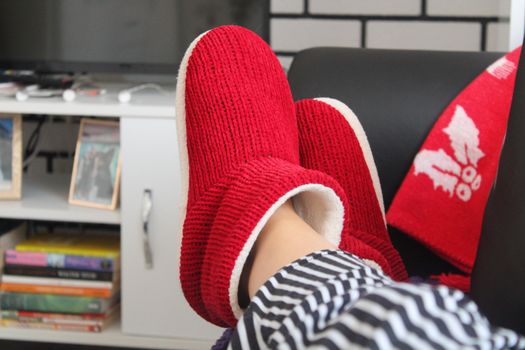


Introduction: The Rise of Sustainable Hospitality
The hospitality industry is undergoing a green revolution. Hotels worldwide are seeking ways to reduce their environmental footprint, and one often-overlooked item is the humble hotel slipper. Traditional disposable slippers are typically made from non-biodegradable materials like polyester, foam, and plastics, contributing to landfill waste. Eco-friendly hotel slippers offer a sustainable alternative without compromising guest comfort. This comprehensive guide explores the best sustainable options for hotels, from materials to sourcing, and provides practical tips for implementation.

Why Switch to Eco Friendly Hotel Slippers?
There are compelling reasons for hotels to make the switch:
- Environmental Impact: Millions of pairs of disposable slippers end up in landfills each year. Eco-friendly slippers are made from renewable, biodegradable, or recycled materials, reducing waste.
- Guest Appeal: Modern travelers are increasingly eco-conscious. Offering sustainable amenities can enhance brand image and attract environmentally minded guests.
- Cost-Effectiveness: While initial costs may be higher, durable eco-friendly slippers can be reused or recycled, potentially lowering long-term expenses.
- Regulatory Compliance: Some regions are imposing bans on single-use plastics. Switching to sustainable slippers helps hotels stay ahead of regulations.
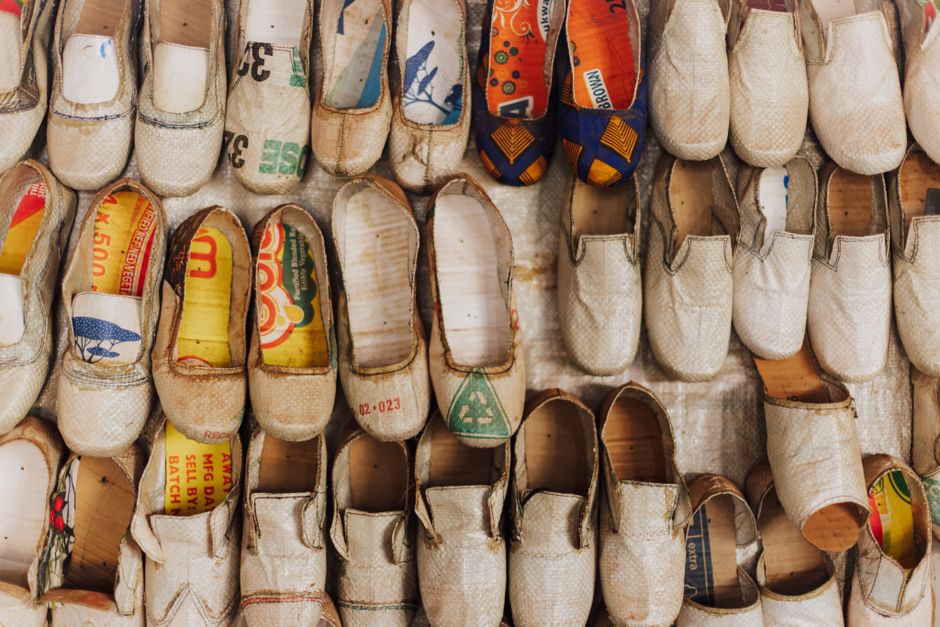
Materials Used in Eco Friendly Hotel Slippers
Understanding materials is key to making informed choices. Here are the most common sustainable materials:
Organic Cotton
Organic cotton is grown without synthetic pesticides or fertilizers. It is soft, breathable, and biodegradable. Slippers with organic cotton uppers and linings are comfortable and eco-friendly. However, cotton alone may lack durability for repeated use.
Recycled Polyester (rPET)
Recycled polyester is made from post-consumer plastic bottles. It reduces plastic waste and consumes less energy than virgin polyester. rPET slippers are durable, lightweight, and can be recycled again. They are a good option for hotels wanting to close the loop on plastics.
Bamboo Fiber
Bamboo is a fast-growing, renewable resource. Bamboo fiber is naturally antibacterial, moisture-wicking, and biodegradable. Slippers made from bamboo fabric are soft and eco-friendly. However, processing bamboo into fiber can involve chemicals; look for closed-loop processing certifications.
Jute and Hemp
Jute and hemp are natural, biodegradable fibers with low environmental impact. They are durable and often used for soles or outer layers. These materials give a rustic, natural look but may be less plush for indoor use.
Natural Latex and Cork
Natural latex (from rubber trees) and cork (from bark) are sustainable alternatives for soles. They are biodegradable, resilient, and provide good grip. Cork is lightweight and antimicrobial.
Types of Eco Friendly Hotel Slippers
Hotels can choose from several styles based on guest needs and sustainability goals:
| Type | Description | Best For |
|---|---|---|
| Disposable Biodegradable | Made from plant-based materials like cornstarch PLA or bamboo. Compostable in industrial facilities. | Budget-friendly, single-use but eco-friendly. |
| Reusable Recycled | Constructed from recycled PET or cotton. Can be washed and reused multiple times. | Luxury hotels wanting to reduce waste. |
| Natural Fiber | Made from hemp, jute, or organic cotton. Often handcrafted. | Eco-resorts and boutique hotels. |
| Recyclable | Designed to be easily recycled after use. Often made from a single material. | Hotels with recycling programs. |
How to Source Eco Friendly Hotel Slippers
When sourcing, consider these factors:
- Certifications: Look for GOTS (Global Organic Textile Standard), OEKO-TEX, FSC (for wood-based materials), or Cradle to Cradle certifications to ensure genuine sustainability.
- Supplier Transparency: Ask about manufacturing processes, labor practices, and carbon footprint.
- Packaging: Choose slippers packaged in recycled or minimal packaging, preferably plastic-free.
- Sample Testing: Order samples to test comfort, durability, and guest satisfaction.
Implementing a Sustainable Slipper Program
Here are practical steps for hotels:
- Assess Current Usage: Track how many slippers are used and discarded per month.
- Set Goals: Define what you want to achieve (e.g., reduce waste by 50% in one year).
- Choose the Right Type: Select slippers that align with your hotel’s brand and sustainability targets.
- Educate Staff: Train housekeeping on proper handling and disposal/recycling procedures.
- Communicate with Guests: Place a card in the room explaining the eco-friendly slippers and how to dispose of them properly.
- Monitor and Adjust: Collect feedback and track metrics to improve the program.
Cost Considerations
Eco-friendly slippers can be more expensive upfront, but the long-term benefits often outweigh costs. For reusable slippers, the cost per use decreases over time. Some suppliers offer take-back programs for recycling. Additionally, marketing the sustainability initiative can justify a premium room rate or attract eco-conscious corporate clients.
Top Suppliers of Eco Friendly Hotel Slippers
Several companies specialize in sustainable hotel slippers, including:
- EcoSlippers: Offers a range of biodegradable and recycled options with certifications.
- Green Hotel Slippers: Provides organic cotton and bamboo slippers with custom branding.
- Sustainable Slipper Co.: Focuses on closed-loop recycling and carbon-neutral shipping.
- Barefoot Eco: Specializes in natural latex and cork sole slippers.
Conclusion: Step Towards a Greener Future
Eco-friendly hotel slippers are a simple yet impactful way for hotels to demonstrate commitment to sustainability. By choosing materials like organic cotton, recycled polyester, or bamboo, and implementing a thoughtful program, hotels can reduce waste, appeal to eco-conscious guests, and contribute to a healthier planet. The key is to start small, choose quality products, and continuously improve. Every step counts, and sustainable slippers are a comfortable step in the right direction.