

Introduction
When you slip your feet into a pair of hotel slippers after a long day of travel, it feels like a small luxury. But have you ever wondered what makes these slippers different from the ones you buy at the store? Hotel slippers and regular slippers serve similar purposes—comfort and protection for your feet—but they are designed with different priorities. In this article, we’ll compare hotel slippers vs regular slippers across several key features, including materials, durability, hygiene, and cost. By the end, you’ll know which type is best for your needs.

What Are Hotel Slippers?
Hotel slippers are disposable or semi-disposable footwear provided by hotels, resorts, and spas for guest use. They are typically made from lightweight materials like non-woven fabric, polyester, or cotton terry. Their primary purpose is to offer temporary comfort and hygiene, allowing guests to walk around their room without bare feet. Most hotel slippers are designed for single or limited use, and they are often packaged in a protective wrap to ensure cleanliness.

What Are Regular Slippers?
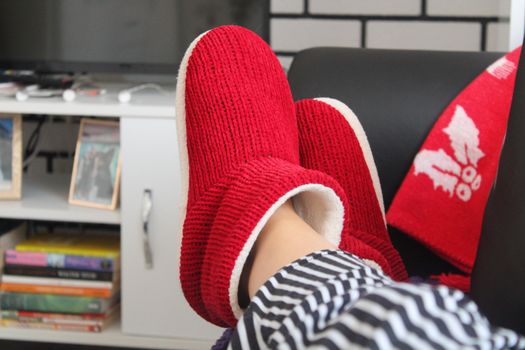
Regular slippers, also known as house slippers or home slippers, are footwear intended for repeated use at home. They come in a wide variety of materials, including wool, fleece, leather, and memory foam. Regular slippers are built to last longer, with sturdier soles and more durable construction. They are designed for daily wear and can be washed or cleaned multiple times.
Key Differences: Hotel vs Regular Slippers
To help you understand the distinctions, we’ve broken down the comparison into several categories. The table below summarizes the main differences.
| Feature | Hotel Slippers | Regular Slippers |
|---|---|---|
| Material | Non-woven fabric, polyester, cotton terry | Wool, fleece, leather, memory foam, rubber |
| Durability | Low (single or few uses) | High (months to years) |
| Comfort | Basic padding, often thin | Plush cushioning, arch support options |
| Hygiene | Disposable, single-use ideal | Reusable, requires washing |
| Cost (per pair) | $0.50–$2.00 (wholesale) | $10–$50+ (retail) |
| Environmental Impact | Higher waste, often non-recyclable | Lower waste if durable, some eco-friendly options |
| Design | Simple, one-size-fits-most, open or closed toe | Varied styles, sizes, colors, patterns |
| Intended Use | Short-term, in-room or spa | Daily home wear |
Material and Comfort
Hotel slippers are typically made from non-woven fabric or lightweight terry cloth. These materials are soft and gentle on the feet, but they offer minimal padding and support. The soles are often thin, providing little protection against cold floors or uneven surfaces. In contrast, regular slippers use heavier materials like memory foam, shearling, or rubber. They often feature contoured footbeds and thicker soles that absorb shock and provide warmth. If you prioritize long-lasting comfort, regular slippers are the clear winner.
Durability and Longevity
Hotel slippers are designed for temporary use. After a few wears, the fabric may pill, the sole may separate, and the slipper loses its shape. Regular slippers are built to withstand daily wear. For example, a pair of leather slippers with a rubber sole can last for years with proper care. The difference in durability is directly related to the materials and construction quality.
Hygiene and Maintenance
One of the biggest advantages of hotel slippers is hygiene. Since they are disposed of after use, there is no risk of bacterial buildup or foot fungus transmission. Regular slippers, however, need regular cleaning. Machine-washable slippers are available, but some materials (like leather) require special care. If you have guests or share a home, disposable hotel-style slippers can be a more hygienic option.
Cost Comparison
Hotel slippers are incredibly cheap when bought in bulk—often less than $1 per pair. For hotels, this low cost justifies single use. For consumers, buying a pack of hotel slippers for home use can be economical if you frequently have guests. However, regular slippers are a better long-term investment. A $30 pair of quality slippers that lasts two years costs about $0.04 per day, while using hotel slippers daily would cost much more over time.
Environmental Impact
Hotel slippers contribute to waste because they are often non-recyclable and end up in landfills after one use. Some hotels have switched to biodegradable or recyclable materials, but the disposable nature remains problematic. Regular slippers, if chosen wisely (e.g., made from natural materials, durable), have a lower environmental footprint. You can also repair or recycle them at the end of their life.
Which Should You Choose?
Your choice depends on your specific needs:
- For hotels and hospitality businesses: Hotel slippers are the standard. They are cost-effective, hygienic, and convenient for guests. Look for eco-friendly options to reduce environmental impact.
- For home use: Regular slippers are more comfortable, durable, and economical. Invest in a quality pair that suits your climate and foot health.
- For guests or temporary use: Keep a pack of hotel-style slippers for visitors to maintain hygiene and avoid sharing footwear.
- For travel: Hotel slippers are lightweight and disposable, making them ideal for packing. But if you want comfort, bring your own regular slippers.
Conclusion
Hotel slippers and regular slippers serve different purposes. Hotel slippers excel in hygiene and low cost per use, making them perfect for temporary situations. Regular slippers offer superior comfort, durability, and value for daily wear. By understanding the differences outlined in this article, you can make an informed decision that balances comfort, cost, and convenience. Whether you’re a hotelier stocking guest rooms or a homeowner looking for cozy footwear, there’s a slipper type that’s right for you.