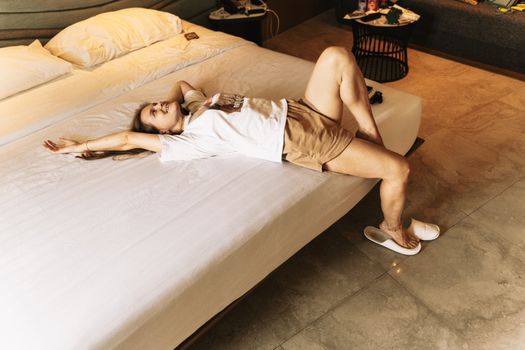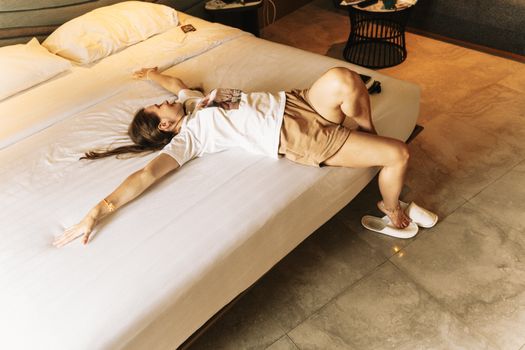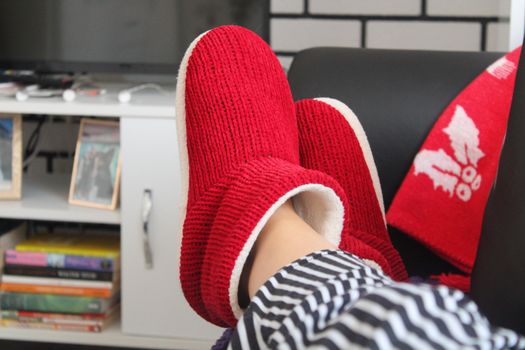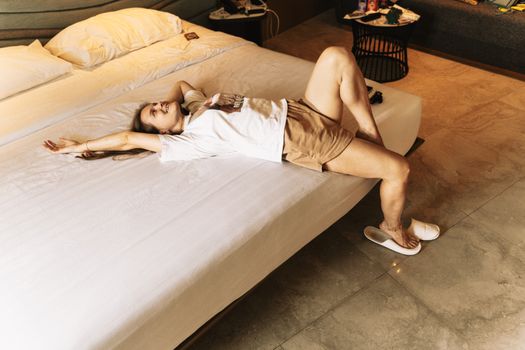
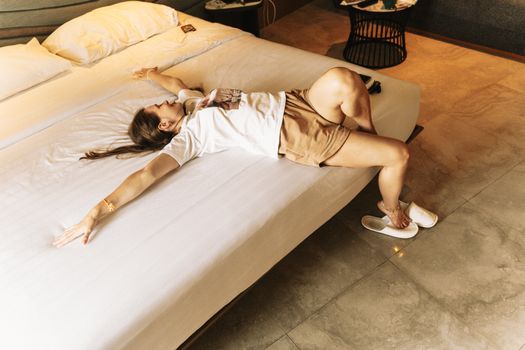
Hotel slippers are a small but significant amenity that can elevate guest comfort and reflect your brand's attention to detail. However, choosing the right slipper involves balancing quality, cost, and sustainability. This comprehensive guide breaks down the factors influencing hotel slippers cost per pair, offering practical insights for procurement managers, hoteliers, and hospitality professionals.
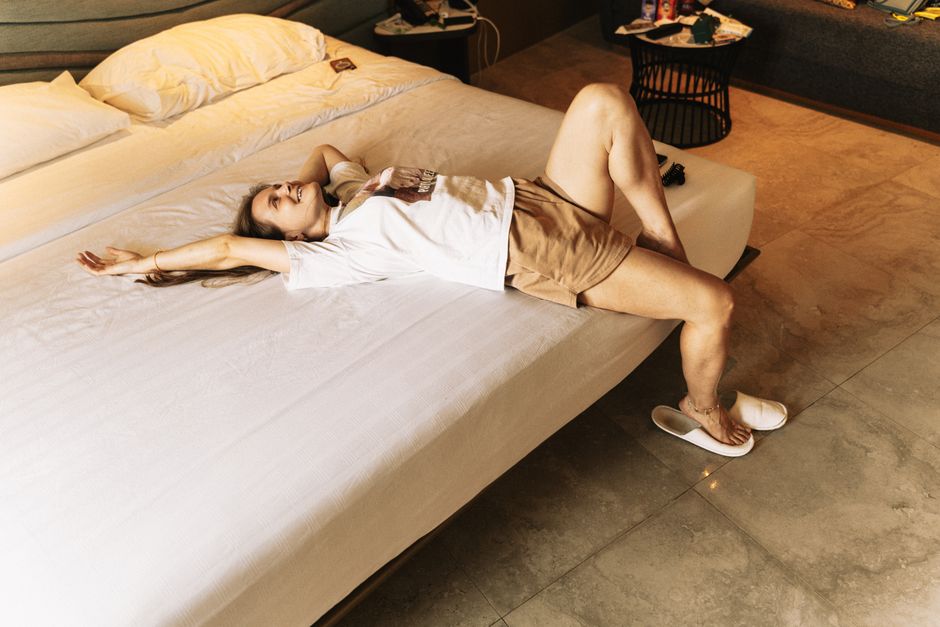
Understanding the Cost Breakdown
The price of hotel slippers varies widely based on materials, manufacturing processes, order quantity, and customization. On average, a standard pair of disposable hotel slippers costs between $0.30 and $2.50, while reusable or luxury options can range from $3 to $10 or more. Below is a detailed breakdown of the key cost components.
Material Quality
The primary driver of cost is the material. Non-woven fabric slippers are the most economical, often costing $0.30–$0.80 per pair. These are lightweight, disposable, and suitable for budget hotels. Cotton terry slippers, which are more absorbent and comfortable, range from $0.80 to $2.00. For a premium feel, microfiber or velvet slippers can cost $1.50–$3.00. Luxury hotels may opt for leather-soled or memory foam slippers, pushing the price to $5–$10 per pair.
Manufacturing and Labor
Labor costs vary by country. Slippers made in China or Vietnam are generally cheaper (as low as $0.20–$0.50 per pair for basic models) due to lower wages, while those manufactured in Europe or the US can be three to five times more expensive. However, higher labor costs often correlate with better quality control and ethical production.
Order Volume
Bulk purchasing significantly reduces per-unit cost. For example, ordering 10,000 pairs of non-woven slippers might cost $0.35 each, whereas a small order of 500 pairs could be $0.60 each. Many suppliers offer tiered pricing: 1,000–5,000 pairs, 5,000–20,000, and 20,000+. Always request quotes for multiple volumes to find the sweet spot.
Customization and Branding
Adding your hotel logo or custom colors typically adds $0.10–$0.50 per pair, depending on the complexity. Embroidery is more expensive than screen printing. Custom packaging, such as branded tissue paper or boxes, can add another $0.05–$0.20 per unit. While customization increases cost, it enhances brand recognition and guest experience.
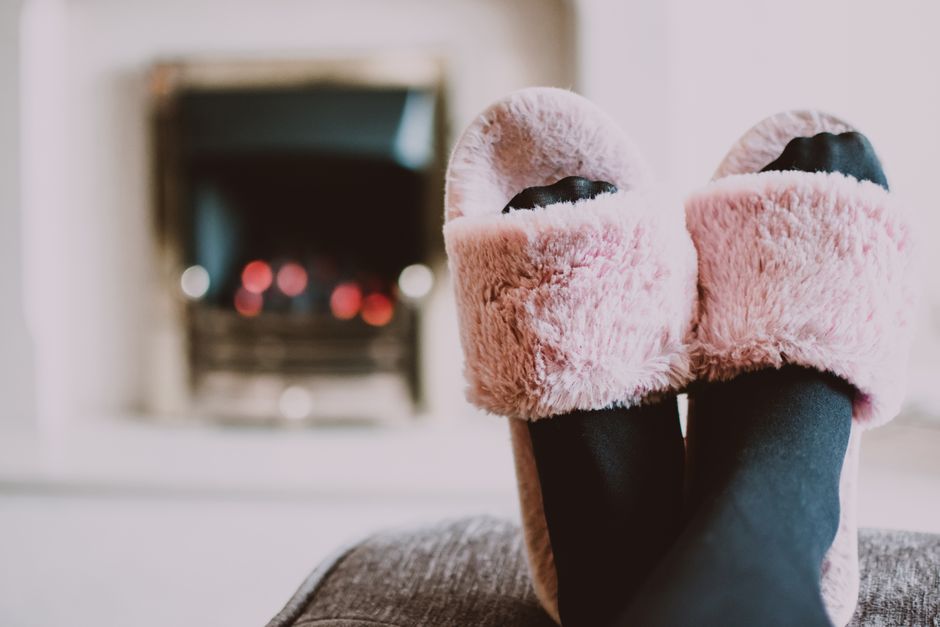
Comparing Types of Hotel Slippers
Different slipper types serve different hotel categories. Here's a comparison of popular options:
| Type | Material | Typical Cost (per pair) | Best For |
|---|---|---|---|
| Disposable Non-Woven | Polypropylene fabric | $0.30 – $0.80 | Budget hotels, motels |
| Terry Cloth | Cotton or cotton-polyester blend | $0.80 – $2.00 | Mid-range hotels, resorts |
| Microfiber | Synthetic microfiber | $1.50 – $3.00 | Business hotels, luxury |
| Memory Foam | Polyurethane foam + fabric | $3.00 – $6.00 | High-end luxury hotels |
| Leather Sole | Leather + fabric upper | $5.00 – $10.00 | Boutique hotels, suites |
Hidden Costs to Consider
Beyond the slipper itself, factor in these additional expenses:
- Shipping and Import Duties: International orders may incur 5–20% customs fees plus freight costs. Air freight is faster but more expensive than sea freight.
- Storage and Inventory Management: Bulky slippers require warehouse space. Consider just-in-time ordering to reduce holding costs.
- Waste Disposal: If you use disposable slippers, factor in the cost of waste management. Eco-friendly options may have higher upfront cost but lower disposal fees.
- Guest Satisfaction: Cheap slippers that tear easily can lead to negative reviews. The cost of a bad review may outweigh the savings.
How to Negotiate Better Prices
Follow these tips to get the best value:
- Request samples from multiple suppliers to compare quality and durability.
- Ask for volume discounts and consider joining a buying group with other hotels.
- Negotiate payment terms (e.g., net 30 vs. net 60) to improve cash flow.
- Consider direct sourcing from manufacturers instead of distributors.
- Look for seasonal promotions or overstock deals.
Sustainability and Cost
Eco-friendly slippers are gaining popularity but often cost 20–50% more than conventional ones. For example, bamboo fiber slippers cost around $1.00–$2.50 per pair, while recycled PET slippers are $0.80–$1.50. However, they can reduce your environmental footprint and appeal to eco-conscious guests. Some hotels offset the higher cost by charging a small amenity fee or offering them as a premium option.
Case Study: Cost Comparison for a 200-Room Hotel
Let's calculate annual slipper costs for a mid-range hotel with 70% occupancy, replacing slippers daily. Assuming 200 rooms, 255 occupied nights per year (70% occupancy), that's 51,000 slipper pairs needed annually.
- Non-woven (at $0.50/pair): $25,500/year
- Terry cloth (at $1.20/pair): $61,200/year
- Microfiber (at $2.00/pair): $102,000/year
By choosing terry cloth over microfiber, the hotel saves $40,800 annually. However, if guest satisfaction increases and leads to higher occupancy, the investment in microfiber might pay off. Always test with a small batch first.
Final Recommendations
To determine the right slipper for your hotel:
- Define your target guest experience (budget vs. luxury).
- Set a maximum cost per pair based on your amenity budget (typically 1–5% of room revenue).
- Order samples and conduct a trial period with guests.
- Build relationships with suppliers for better pricing and reliability.
- Monitor guest feedback and adjust accordingly.
Remember, the cheapest option isn't always the most cost-effective in the long run. Investing in quality slippers can enhance guest loyalty and justify higher room rates. Use this guide to make an informed decision that balances cost, comfort, and brand image.