
Hotel Slippers vs Disposable Slippers: Which Is Better?
When it comes to choosing the right slippers for hospitality use, hoteliers often face a dilemma: should they invest in reusable hotel slippers or opt for disposable slippers? Both have their merits, but the best choice depends on your priorities—comfort, hygiene, cost, and sustainability. In this article, we compare hotel slippers and disposable slippers across key features to help you make an informed decision.
What Are Hotel Slippers?
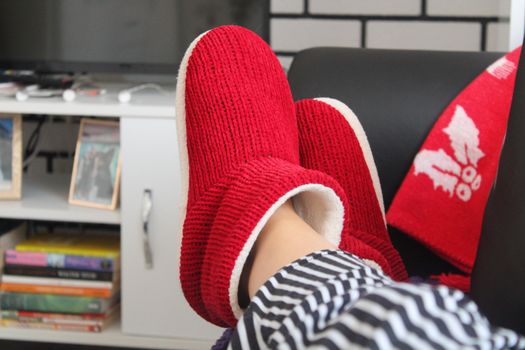
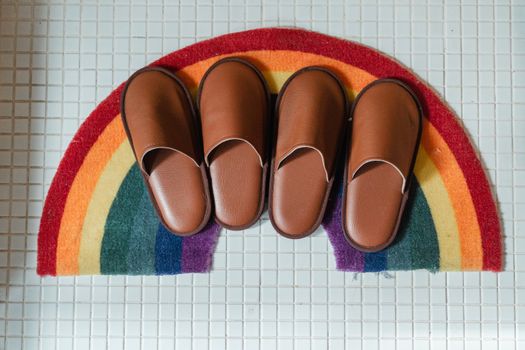
Hotel slippers are typically reusable, made from durable materials like cotton, terry cloth, or plush synthetic fabrics. They are designed for multiple uses, often provided in guest rooms for the duration of a stay. Many hotels offer them as a complimentary amenity or for purchase.
What Are Disposable Slippers?
Disposable slippers are lightweight, single-use products made from materials like non-woven fabric, paper, or thin foam. They are intended for one-time use and are commonly found in spas, hospitals, and budget hotels. Their main appeal is hygiene—each guest gets a fresh pair.
Comparison Table: Hotel Slippers vs Disposable Slippers
| Feature | Hotel Slippers | Disposable Slippers |
|---|---|---|
| Material | Cotton, terry cloth, plush synthetic | Non-woven fabric, paper, thin foam |
| Comfort | High – cushioned, soft, warm | Low – thin, minimal padding |
| Durability | Reusable for multiple stays | Single use only |
| Hygiene | Requires laundering after each guest | Fresh pair per guest, no washing needed |
| Cost per use | Higher upfront, lower per use if reused | Low upfront, higher per use if many guests |
| Sustainability | Less waste if reused; washing uses water/energy | High waste, but some are biodegradable |
| Aesthetics | Premium look, can be embroidered with logo | Basic, often plain or with minimal design |
| Best for | Luxury hotels, resorts, extended stays | Spas, hospitals, budget hotels, events |
Key Considerations
Comfort and Guest Experience
Hotel slippers win hands down in comfort. They are thicker, softer, and provide warmth, making guests feel pampered. Disposable slippers are often flimsy and can tear easily, offering little cushioning. For a luxury hotel, reusable slippers enhance the guest experience and can be a memorable amenity.
Hygiene and Safety
Disposable slippers excel in hygiene because each guest gets a brand-new pair, eliminating the risk of cross-contamination from previous guests. Hotel slippers must be professionally laundered after each use, which can be costly and time-consuming. However, if laundry protocols are strict, reusable slippers can be just as hygienic.
Cost Analysis
While the initial cost of hotel slippers is higher, they can be reused dozens of times, reducing the per-use cost. For example, a $5 pair of cotton slippers used 50 times costs $0.10 per use. Disposable slippers may cost $0.30–$0.50 each, so for high-volume hotels, reusables can be more economical. However, budget hotels with low occupancy might prefer disposables to avoid laundry expenses.
Sustainability
Environmental impact is a growing concern. Disposable slippers contribute to landfill waste, though some are made from biodegradable materials. Reusable slippers generate less waste but require water and energy for washing. Hotels should consider their laundry capabilities and local recycling options.
Recommendation
For most hotels, especially those aiming for a premium guest experience, reusable hotel slippers are the better choice. They offer superior comfort, can be branded for marketing, and are more cost-effective over time. However, for spas, hospitals, or budget properties where hygiene is paramount and volume is high, disposable slippers may be more practical. A hybrid approach—offering reusable slippers in rooms and disposable ones for spa or pool areas—can balance both needs.
Conclusion
The decision between hotel slippers and disposable slippers hinges on your hotel's category, budget, and sustainability goals. Evaluate your guest expectations and operational capacity before choosing. Whichever you select, ensure the slippers are comfortable, safe, and aligned with your brand image.