
1. New High-Efficiency Solar Panels for Campers
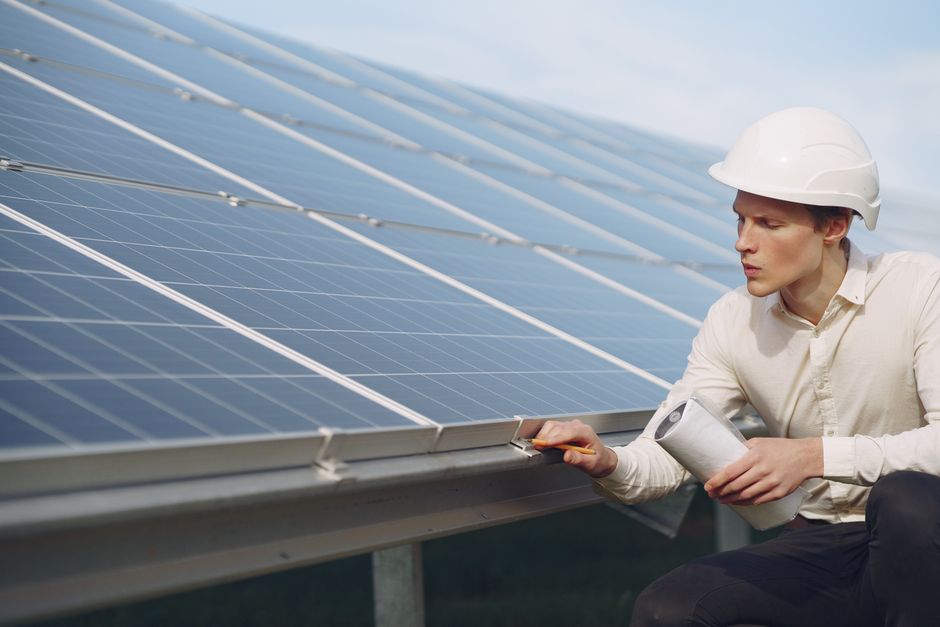
The latest solar panels for camping now boast conversion efficiencies exceeding 24%, thanks to advances in monocrystalline silicon and back-contact cell technology. This means you can generate more power in less space—critical when you're packing for a backpacking trip. Several top brands have released foldable panels that weigh under 3 pounds yet output 100 watts. For example, the new SolarTech Flex 100 delivers 100W at only 2.8 lbs, using a durable ETFE coating that resists scratches and water. These panels are ideal for charging power stations, phones, and small appliances directly.
Another major update is the integration of USB-C Power Delivery (PD) ports directly on the panel. This allows for faster charging of modern devices without needing a separate controller. Some models now include built-in MPPT (Maximum Power Point Tracking) to optimize charging even in partial shade. As a result, campers can rely on solar even under tree canopies or cloudy skies. The trend is toward lighter, more efficient, and more durable panels that fold into compact carrying cases.
When shopping, look for panels with at least 22% efficiency, a rugged build, and compatible connectors. Many companies now offer panels with kickstands or mounting grommets for easy setup at campsites. These innovations make solar power more accessible than ever for weekend warriors and thru-hikers alike.
2. Portable Power Stations with Solar Input
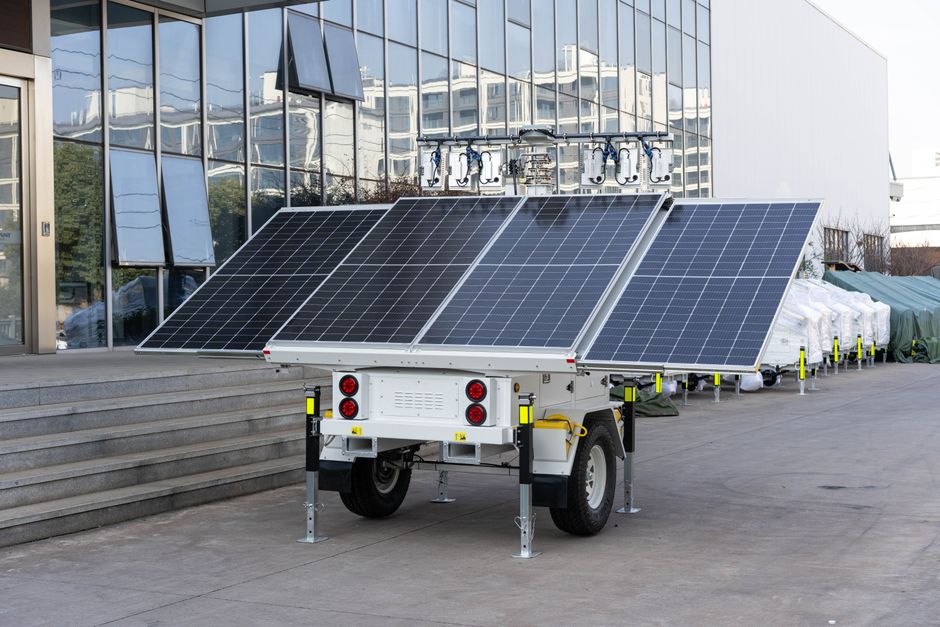
Portable power stations have become the heart of modern solar camping setups. The latest models feature lithium iron phosphate (LiFePO4) batteries, which are safer, lighter, and have longer lifespans than traditional lithium-ion. Brands like Jackery, Goal Zero, and Bluetti have released units with capacities from 200Wh to over 2000Wh, all with integrated solar charge controllers. For instance, the new EcoFlow River 2 Pro can be fully charged by a 220W solar panel in about 3 hours, and it outputs 800W of AC power—enough to run a mini-fridge or CPAP machine.
Many new power stations now include multiple output ports: AC outlets, USB-A, USB-C PD (up to 100W), and even wireless charging pads. Some models feature app connectivity, allowing you to monitor battery level, input/output wattage, and adjust settings via smartphone. This is a game-changer for managing power usage during extended trips. Additionally, expandable battery packs allow you to double or triple capacity for longer off-grid stays.
Key features to consider are solar input voltage range (to match your panels), maximum charge rate, and weight. The trend is toward ultra-portable units under 10 pounds that still offer substantial power. For example, the Goal Zero Yeti 500X weighs just 12 lbs but can power a laptop for a full workday. These advancements mean you can enjoy modern comforts while camping without relying on noisy generators.
3. Solar-Powered Camping Lights and Lanterns
Solar lighting has evolved from simple string lights to versatile, high-output lanterns that can illuminate entire campsites. The latest models use LED arrays with multiple brightness levels and color temperatures, including warm white for ambiance and cool white for task lighting. Many are collapsible or inflatable for easy packing. For example, the LuminAID PackLite Max 2-in-1 inflates to become a diffused lantern and also serves as a phone charger with its built-in battery.
New solar lanterns often feature integrated solar panels on top or are designed to be hung in direct sunlight during the day. Some models, like the MPOWERD Luci Base Light, include a USB port to charge other devices. Advanced lanterns now offer wireless charging pads, so you can charge your phone simply by placing it on top. Additionally, many have built-in handles or carabiners for hanging from tent loops or tree branches.
For safety, look for lanterns with IPX5 or higher water resistance, as they'll be exposed to dew and rain. Battery capacity is also important—a good lantern should last at least 8 hours on medium setting. Some even have SOS flash modes for emergencies. These solar lights eliminate the need for disposable batteries and reduce waste, making them a sustainable choice for eco-conscious campers.
4. Solar Charging Backpacks and Bags
Solar backpacks have been around for years, but new designs are far more practical and efficient. The latest models integrate flexible solar panels into the back panel or front pocket, allowing you to charge devices while hiking. High-end packs from Voltaic Systems and EnerPlex now use monocrystalline panels with over 22% efficiency, and they route cables through hidden channels to internal battery packs. For instance, the Voltaic Array backpack can charge a smartphone in about 2 hours of direct sunlight, and it includes a 10,000mAh battery to store energy for later use.
These backpacks are designed with outdoor enthusiasts in mind: they are lightweight (under 2 lbs), water-resistant, and have ergonomic straps. Many feature multiple compartments for organizing gear, and the solar panel is removable for cleaning or replacement. Some newer models even have built-in USB-C PD ports that can charge laptops, though this requires higher wattage panels (20W+).
When choosing a solar backpack, consider the panel wattage (10-20W is typical), battery capacity, and comfort. Look for packs with a built-in charge controller to prevent overcharging. The convenience of having a portable charger that recharges itself while you walk is unbeatable for multi-day hikes. Plus, it's a great way to keep your devices topped up without stopping to set up a separate panel.
5. Solar-Powered Coolers and Refrigerators
Keeping food cold off-grid used to require heavy ice chests or propane fridges. Now, solar-powered electric coolers are becoming affordable and efficient. Brands like Dometic, Engel, and ICECO offer 12V compressor coolers that can be powered by a solar panel and a portable power station. These coolers maintain precise temperatures from -4°F to 50°F, using very little power—typically 0.5-2 amps per hour depending on size and ambient temperature.
The latest models feature Wi-Fi or Bluetooth connectivity, allowing you to monitor and adjust temperature via smartphone. Some, like the Dometic CFX3, have a built-in battery that can keep contents cold for up to 10 hours without external power. They are also designed to be dual-zone, so you can have a freezer and fridge in one unit. This is a huge step up from traditional coolers, as you can store fresh meat, dairy, and frozen meals for weeks.
To power a cooler with solar, you'll need a panel system that can supply at least 100W and a power station with enough capacity to run it overnight. Many campers pair a 200W solar panel with a 500Wh power station to run a 50-quart cooler indefinitely. This setup is ideal for car camping or base camps. The key is to ensure the cooler's compressor is efficient—look for one with variable speed technology. Solar coolers eliminate the need for ice runs and allow for more diverse meal planning on long trips.
6. Solar Shower and Water Heating Solutions
Warm showers in the backcountry are now possible with solar-powered water heating systems. The simplest option is a solar shower bag—a black PVC bag that heats water in the sun. Newer versions have improved insulation and a built-in thermometer, like the Advanced Elements Solar Shower, which holds 5 gallons and can reach 120°F in a few hours. For a more luxurious experience, companies like Joolca and Geyser Systems offer portable propane-on-demand water heaters that can be paired with a solar panel and pump to provide hot water from any source.
These systems typically include a small pump, a heat exchanger, and a showerhead. The latest models are compact and can be set up in minutes. For example, the Joolca HOTTAP V2 weighs only 10 lbs and can run on a 1 lb propane canister for hours. It can be powered by a 12V battery or a small solar panel. Some campers use a 100W solar panel to keep a deep-cycle battery charged, which then runs the pump and ignition.
Solar showers are a game-changer for hygiene on long trips. They also reduce the need for disposable wipes and plastic bottles. When choosing a system, consider water capacity, heating speed, and ease of setup. Many now come with a portable privacy tent for convenience. With these innovations, you can enjoy a hot shower under the stars without any environmental footprint.
7. Solar-Powered Cooking and Stoves
Solar cooking isn't just for survivalists; modern solar ovens and stoves are efficient enough for everyday camp meals. The GoSun Sport is a portable solar oven that uses a parabolic reflector to reach temperatures over 550°F, cooking a meal in 20 minutes. It weighs just 4 lbs and folds flat for storage. Similarly, the Sunflair Solar Oven uses a reflective panel design to reach 300°F and can bake bread or roast vegetables.
Newer models incorporate vacuum tube technology, like the Haines Solar Cooker, which can even work in cloudy conditions. These stoves require no fuel, no fire, and no smoke—just sunlight. They are ideal for areas with fire bans or for eco-conscious campers. Some models now include USB ports to charge devices while cooking, making them multifunctional.
While solar cooking takes practice and is weather-dependent, it's a fun and sustainable way to prepare food. For best results, use dark, thin-walled pots and start cooking early in the day. Many solar ovens come with recipes and cooking guides. As solar tech improves, these devices are becoming more practical for mainstream campers, offering a zero-emission alternative to propane stoves.
8. Solar Gadgets for Campsite Comfort
Beyond the big items, numerous small solar gadgets enhance campsite comfort. Solar-powered fans, like the Opolar 10-inch Camping Fan, have large solar panels and can run all night on a single charge. They are quiet, have multiple speed settings, and often include LED lights. Another popular item is the solar-powered bug zapper, which attracts and kills insects without chemicals. The Flowtron Solar Bug Zapper covers up to 1/2 acre and recharges its battery during the day.
Solar chargers for smaller devices have also improved. Keychain-sized solar chargers, like the X-Dragon 5W panel, can trickle-charge a phone in an emergency. For hikers, solar-powered GPS watches like the Garmin Instinct Solar extend battery life indefinitely with exposure to sunlight. Even solar-powered tents are emerging—like the Smittybilt Overlander Tent with integrated solar panels on the roof that power interior lights and USB ports.
These gadgets make camping more comfortable and convenient. They reduce the need for disposable batteries and reliance on vehicle power. When selecting, prioritize durability and water resistance. Many of these items are now affordable and can be found under $50. They are perfect for adding a touch of modern convenience to your campsite while staying green.