Introduction to Sustainable Camping Gear
As outdoor enthusiasts become more environmentally conscious, the demand for sustainable camping gear has skyrocketed. Eco-friendly innovations are transforming the camping industry, offering products that minimize ecological impact without compromising performance. From biodegradable utensils to solar-powered gadgets, this guide explores the latest advancements in green camping equipment.
Why Sustainable Camping Matters
Traditional camping gear often relies on non-renewable resources and single-use plastics, contributing to pollution and waste. By choosing sustainable alternatives, campers can reduce their carbon footprint, protect natural habitats, and promote responsible outdoor recreation. The shift toward eco-friendly gear is not just a trend—it's a necessary evolution for preserving our planet for future generations.
Eco-Friendly Materials in Camping Gear
Recycled and Upcycled Fabrics
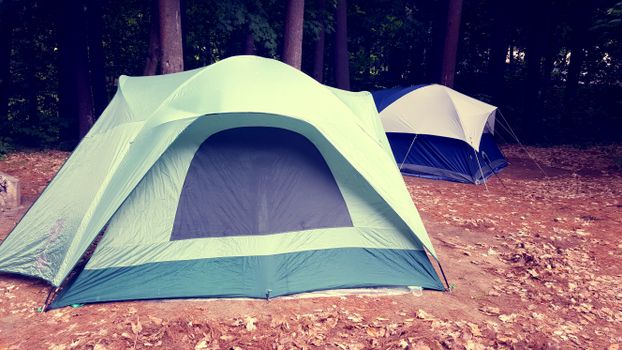
Many brands now use recycled polyester from plastic bottles or upcycled nylon from fishing nets. For example, Patagonia's Nano Puff jackets utilize 100% recycled polyester, while tents from Big Agnes incorporate recycled fabrics. These materials reduce waste and energy consumption compared to virgin fibers.
Biodegradable and Compostable Options
Biodegradable camping gear, such as bamboo cutlery, cornstarch-based plates, and hemp ropes, breaks down naturally without leaving toxic residues. Compostable trash bags and soap tablets further minimize landfill contributions. Look for certifications like BPI (Biodegradable Products Institute) to verify claims.
Natural and Organic Fibers
Organic cotton, wool, and hemp are renewable and require fewer chemicals. Sleeping bags filled with responsibly sourced down or synthetic alternatives like PrimaLoft Bio (which biodegrades in landfills) offer warmth without harming ecosystems.
Innovative Sustainable Camping Products
| Product Category | Eco-Friendly Innovation | Key Benefit |
|---|---|---|
| Tents | Recycled polyester with PFC-free waterproof coatings | Reduces chemical runoff and plastic waste |
| Sleeping Bags | Biodegradable synthetic insulation (e.g., PrimaLoft Bio) | Breaks down in landfill within 5 years |
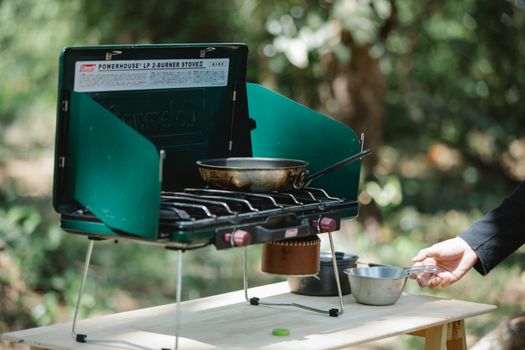
| Cooking Gear | Solar-powered stoves and rechargeable battery systems | Eliminates need for disposable fuel canisters |
| Water Bottles | Stainless steel with plant-based caps | Durable, reusable, and fully recyclable |
| Lighting | Solar lanterns and hand-crank flashlights | No batteries required; renewable energy |
How to Choose Sustainable Camping Gear
Assess Your Needs
Prioritize multi-use items to reduce consumption. For example, a bandana can serve as a towel, napkin, or pot holder. Invest in high-quality gear that lasts longer, preventing frequent replacements.
Check Certifications
Look for labels like Bluesign (ensures environmentally friendly production), Fair Trade (ethical labor), and Global Recycled Standard (recycled content). These certifications indicate genuine sustainability.
Support Responsible Brands
Companies like REI, Patagonia, and The North Face have take-back programs and repair services. Buying second-hand gear from platforms like GearTrade also reduces demand for new products.
Practical Tips for Eco-Friendly Camping
- Pack reusable containers and utensils to avoid single-use plastics.
- Use biodegradable soap and wash at least 200 feet from water sources.
- Leave no trace: pack out all trash, including food scraps.
- Opt for manual tools (e.g., hand-pump water filters) over battery-powered ones.
- Choose campsites with established fire rings to minimize impact.
Future Trends in Sustainable Camping
Emerging technologies include solar-integrated tents, portable water purifiers that require no filters, and gear made from algae-based materials. The industry is also moving toward circular economy models where products are designed for disassembly and recycling. As consumer awareness grows, expect even more innovative solutions that blend outdoor adventure with environmental stewardship.
Conclusion
Sustainable camping gear is no longer a niche market—it's the future of outdoor recreation. By embracing eco-friendly innovations, campers can enjoy nature while preserving it. Whether you're a seasoned backpacker or a weekend car camper, making conscious choices about your gear helps protect the wild places we love. Start small, research brands, and remember: every sustainable purchase is a step toward a greener planet.