
Healthcare Company News Quarterly: Recaps and Insights


1. Telehealth Expansions: The New Normal in Patient Care
This quarter saw major telehealth expansions across leading healthcare systems. Providers like Mayo Clinic and Kaiser Permanente announced extended virtual care services, including remote monitoring for chronic conditions. The shift is driven by patient demand for convenience and cost savings, with studies showing a 38% increase in telehealth utilization year-over-year.
Regulatory changes also played a role. The Centers for Medicare & Medicaid Services (CMS) permanently expanded coverage for telehealth visits, making it easier for seniors to access care from home. Healthcare companies investing in robust digital platforms are now seeing higher patient retention rates.
For smaller providers, partnerships with telehealth vendors like Teladoc and Amwell offer a scalable entry point. The trend signals that virtual care is not a pandemic-era stopgap but a permanent fixture in healthcare delivery.
2. AI-Powered Diagnostics: Faster, Smarter, More Accurate
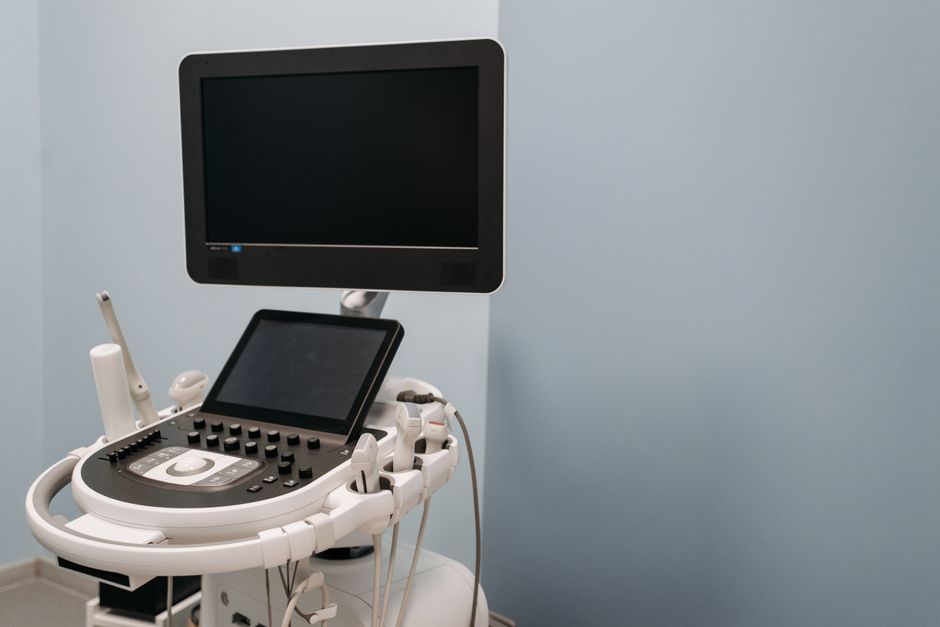
Artificial intelligence continues to revolutionize diagnostics. This quarter, several healthcare companies received FDA clearance for AI algorithms that detect abnormalities in medical imaging. For instance, Aidoc's AI system for identifying intracranial hemorrhages in CT scans reduced reading times by 30% and improved accuracy by 15%.
Beyond radiology, AI is being applied to pathology and genomics. Tempus and Foundation Medicine launched AI tools that analyze tumor genomes to recommend personalized therapies. These innovations are cutting diagnostic delays, which is critical for conditions like cancer where early detection improves outcomes.
However, challenges remain. Data privacy concerns and the need for diverse training datasets are top of mind for regulators. Companies investing in ethical AI frameworks are likely to gain trust and market share.

3. Value-Based Care Models Gain Traction
A shift from fee-for-service to value-based care is accelerating. This quarter, UnitedHealth Group reported that 70% of its commercial members are now in value-based arrangements, up from 55% last year. These models tie reimbursement to patient outcomes, incentivizing preventive care and care coordination.
Providers are adopting population health management tools to track metrics like hospital readmission rates and chronic disease management. Clover Health and Oak Street Health saw improved patient outcomes and lower costs, with some studies showing a 20% reduction in emergency visits.
Employers are also embracing value-based care through direct contracting with provider networks. This trend reduces administrative overhead and aligns incentives, making it a win-win for patients and payers.
4. Mental Health Services: Breaking the Stigma
Mental health is receiving unprecedented attention. This quarter, major insurers like Cigna and Aetna expanded coverage for mental health services, including therapy and substance use disorder treatment. Talkspace and BetterHelp reported record membership growth, with a 40% increase in users seeking online counseling.
Employers are also prioritizing employee mental health. Companies like Lyra Health and Ginger offer workplace mental health platforms that provide on-demand coaching and therapy. Research shows that for every dollar spent on mental health support, employers see a $4 return in productivity gains.
The integration of mental and physical health is a key focus. Healthcare systems like Henry Ford Health are embedding behavioral health specialists in primary care clinics, reducing wait times and improving care coordination.
5. Drug Pricing Reforms: Impact on Pharmaceutical Companies
Drug pricing remained a hot topic this quarter. The Inflation Reduction Act's provisions, including Medicare drug price negotiation, began to take effect. The first 10 drugs selected for negotiation include popular medications like Eliquis and Jardiance, with price reductions expected by 2026.
Pharmaceutical companies are responding by adjusting launch prices and investing in high-value therapies. For example, Pfizer and Moderna are focusing on mRNA-based vaccines and rare disease treatments to offset potential revenue losses. Biosimilars are also gaining market share, with competition driving down costs for drugs like Humira.
Patients are feeling the impact. Out-of-pocket costs for some chronic condition medications have dropped by 20% due to the insulin cap and other reforms. However, critics argue that more transparency is needed in rebate and pricing structures.
6. Health Data Privacy: New Regulations on the Horizon
Data privacy is a growing concern as healthcare digitizes. This quarter, the Federal Trade Commission (FTC) proposed new rules requiring health apps and wearable devices to obtain explicit consent before sharing data with third parties. Companies like 23andMe and Fitbit are updating their privacy policies to comply.
Breaches also made headlines. A ransomware attack on a major hospital chain exposed the data of 1.5 million patients, highlighting the need for robust cybersecurity measures. Healthcare companies are investing in encryption, multi-factor authentication, and employee training to mitigate risks.
Consumers are becoming more vigilant. A recent survey found that 62% of patients are concerned about the privacy of their health data, and many are willing to switch providers for better data protections. Transparency and trust are becoming competitive advantages.
7. Workforce Shortages: Innovative Solutions in Staffing
The healthcare workforce shortage continues to strain systems. This quarter, hospitals reported a 30% increase in nurse vacancy rates compared to pre-pandemic levels. In response, companies are adopting creative staffing solutions, such as using virtual nursing assistants and automated scheduling.
Tele-staffing platforms like ShiftMed and Nomad Health connect healthcare facilities with per-diem workers, reducing reliance on expensive travel nurses. Additionally, some systems are investing in training programs for medical assistants and licensed practical nurses to fill gaps.
Retention is also a priority. Bonuses, flexible schedules, and mental health support are being used to reduce burnout. The American Nurses Foundation reported that 45% of nurses plan to leave their jobs within two years, underscoring the urgency of these efforts.