
 繁体中文
繁体中文 简体中文
简体中文
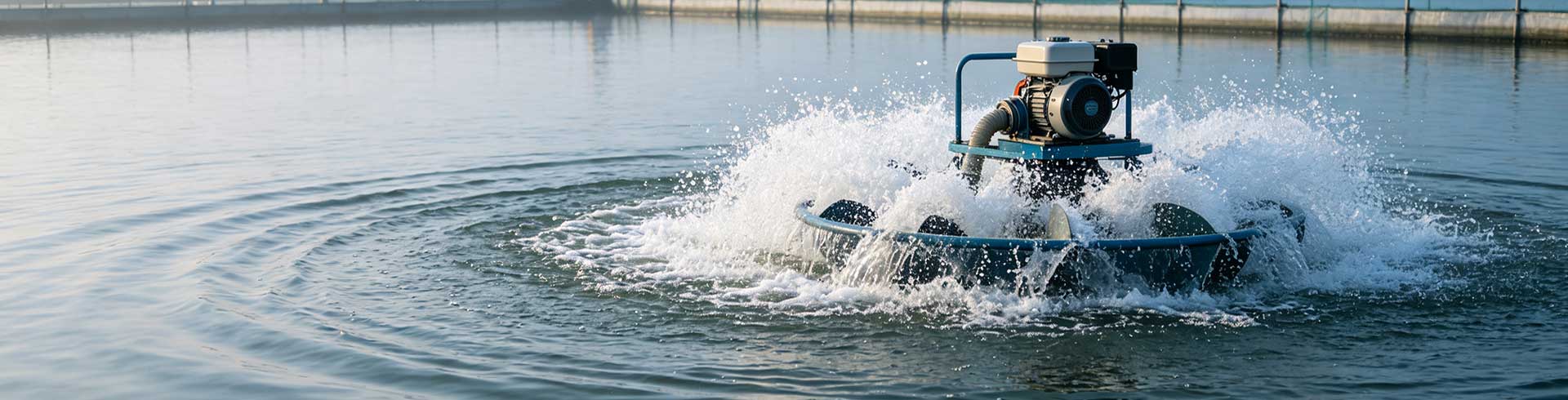
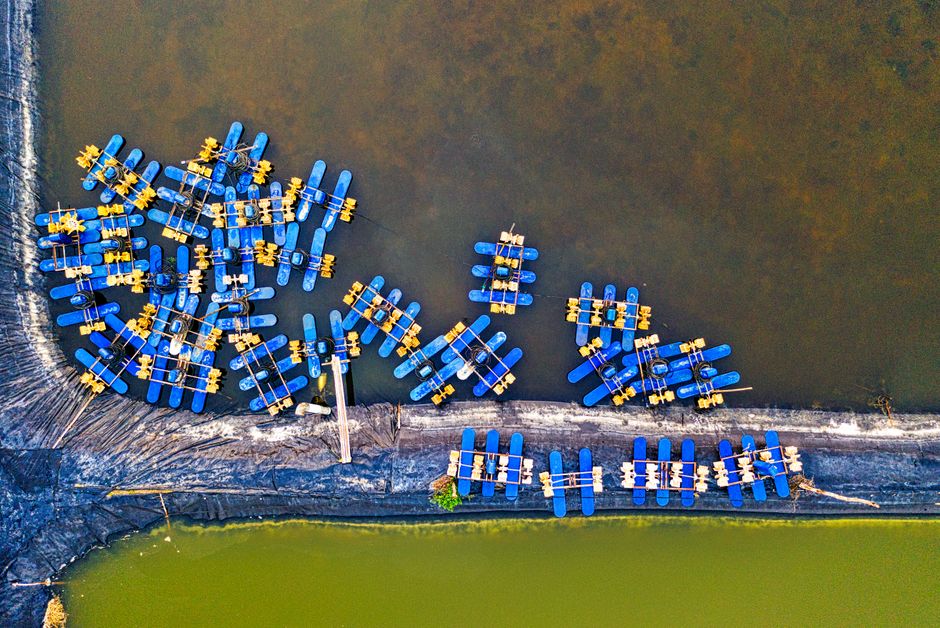
Overview of oxygenation methods
In aquaculture, oxygenation is a key link to maintain the amount of dissolved oxygen in water and ensure the healthy growth of fish. At present, common oxygenation equipment on the market is mainly divided into two categories: bottom oxygenation and surface oxygenation. Bottom oxygenation directly injects air into the bottom of the water body through microporous aeration or jet, while surface oxygenation agitates the surface water body through impellers, waterwheels and other equipment to achieve oxygen exchange. There are significant differences between the two methods in principle, effect and applicable scenarios. This article will compare the two from multiple dimensions to help farmers make a reasonable choice.
Comparison of working principle and oxygenation efficiency
bottom oxygenation
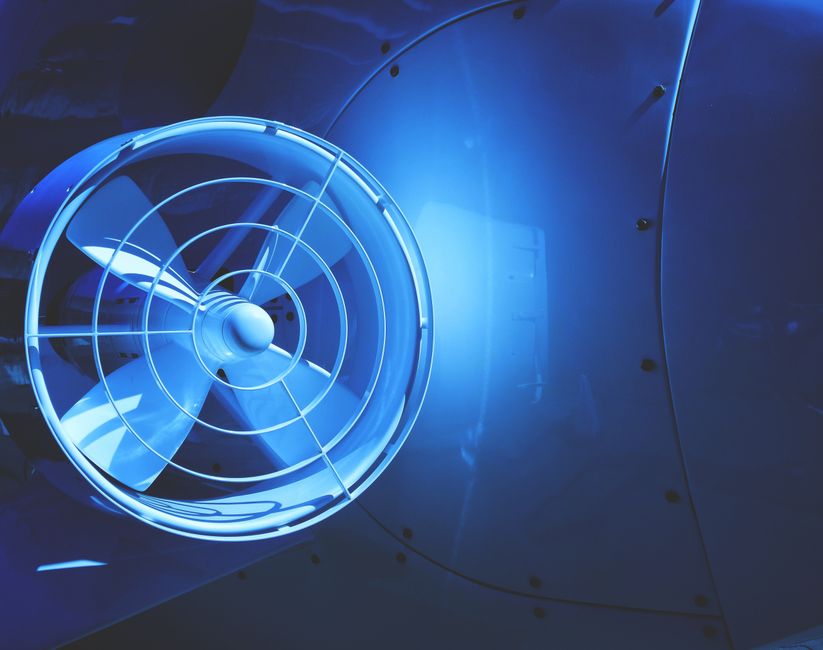
The bottom oxygenation system is usually composed of a fan, a pipe, and a microporous aeration plate. The air is transported to the bottom of the pool by a high-pressure fan, and tiny bubbles are released through the micropores. During the rise of the bubbles, they are in full contact with the water body to realize the dissolution of oxygen. Since the bubbles rise from the bottom, they can drive the vertical convection of the water body and promote the mixing of the upper and lower water bodies, thereby improving the distribution of dissolved oxygen in the entire water body.
surface oxygenation
Surface oxygenation equipment such as impeller oxygenators, waterwheel oxygenators, etc., mechanically stir the surface water body to increase the contact area between the water body and the air and promote the dissolution of oxygen. Its oxygenation effect is mainly concentrated in the surface layer, and the oxygenation effect on the bottom water body is limited, but it can spread to a certain range through water splashes and waves.
| contrast dimension | bottom oxygenation | surface oxygenation |
|---|---|---|
| oxygenation depth | Uniform oxygenation of the whole water body | Mainly acts on the surface (0-1 meters) |
| oxygenation efficiency | High oxygen utilization rate can reach more than 30% | Medium, oxygen utilization rate is about 10% -20%. |
| energy consumption | Relatively low (equivalent oxygen increase) | higher |
| noise | Low (fan noise can be isolated) | High (mechanical operating noise) |
| maintain | The aeration tray needs to be cleaned regularly to prevent blockage | Motor and impeller require maintenance |
Impact on water quality and farmed organisms
The advantages of bottom oxygenation
Bottom oxygenation can effectively promote the decomposition of bottom organic matter, reduce the accumulation of ammonia nitrogen and nitrite, and improve the substrate environment. At the same time, vertical convection helps to eliminate the thermocline and avoid hypoxia in the lower water body. For benthic organisms such as shrimp and crab, bottom oxygenation can provide more abundant dissolved oxygen and improve the survival rate.
Characteristics of surface oxygenation
Surface oxygenation has a significant oxygenation effect on surface water, but it is easy to cause water stratification, especially in high temperature seasons, when the bottom water temperature is low and the dissolved oxygen is low, it is easy to form "oxygen debt". In addition, the mechanical stirring of surface oxygenation may cause certain stress to fish, but it can also stimulate fish activities through water flow and enhance physical fitness.
Comparison of applicable scenarios
| scene | bottom oxygenation | surface oxygenation |
|---|---|---|
| High density intensive culture pond | Perfect for providing full dissolved oxygen | Can be used as an auxiliary, but with bottom oxygenation |
| Shallow water pond (water depth 2 meters) | First choice, can improve the bottom dissolved oxygen | The effect is limited, the quantity needs to be increased |
| shrimp and crab breeding | Recommend, improve the bottom quality | Not recommended, disturbing sediment |
| Large surface aquaculture | The cost is high, and a reasonable layout is required | Widely used and highly mobile |
| Winter low temperature period | Reduced use, antifreeze | Can break ice and increase oxygen |
Cost and energy consumption analysis
The initial investment of the bottom oxygenation system is higher, including the purchase and installation of fans, pipes and aeration heads, but the operation energy consumption is low, and the maintenance cost is relatively controllable. Taking a 10-acre pond as an example, the investment of the bottom oxygenation system is about 2-30,000 yuan, and the electricity bill is about 1,000 yuan per month. The investment of surface oxygenation equipment is lower, about 2000-5000 yuan for a single oxygenator, but the energy consumption is higher, and multiple devices are required to cover the same area, and the overall electricity bill may be higher.
Actual effect case
In a comparative experiment, fish of the same species were placed in bottom-oxygenated and surface-oxygenated ponds respectively. The results showed that the yield per mu in bottom-oxygenated ponds increased by 15%, the feed coefficient decreased by 8%, and the incidence of fish decreased significantly. After another shrimp pond used bottom oxygenation, the survival rate of shrimp increased from 70% to 90%.
Comprehensive recommendations and usage suggestions
In summary, bottom oxygenation is better than surface oxygenation in terms of oxygenation efficiency, water quality improvement and aquaculture benefits, and is especially suitable for high-density, deep-water and benthic culture. However, surface oxygenation still has its irreplaceable advantages in shallow ponds and large surface culture. Therefore, it is recommended that farmers choose or combine it flexibly according to their own pond conditions, breeding varieties and budgets.
Clear recommendation:
For farmers who pursue high-yield and high-quality aquatic products, bottom oxygenation systems are preferred, supplemented by surface oxygenation equipment as emergency or backup, to achieve the best oxygenation effect. In high temperature seasons or when dissolved oxygen is insufficient, both devices can be turned on at the same time to ensure sufficient dissolved oxygen in the water.
Finally, it is necessary to regularly check the dissolved oxygen and adjust the running time of the oxygenation equipment according to actual needs in order to achieve the purpose of energy saving and production increase.


