
 繁体中文
繁体中文 简体中文
简体中文

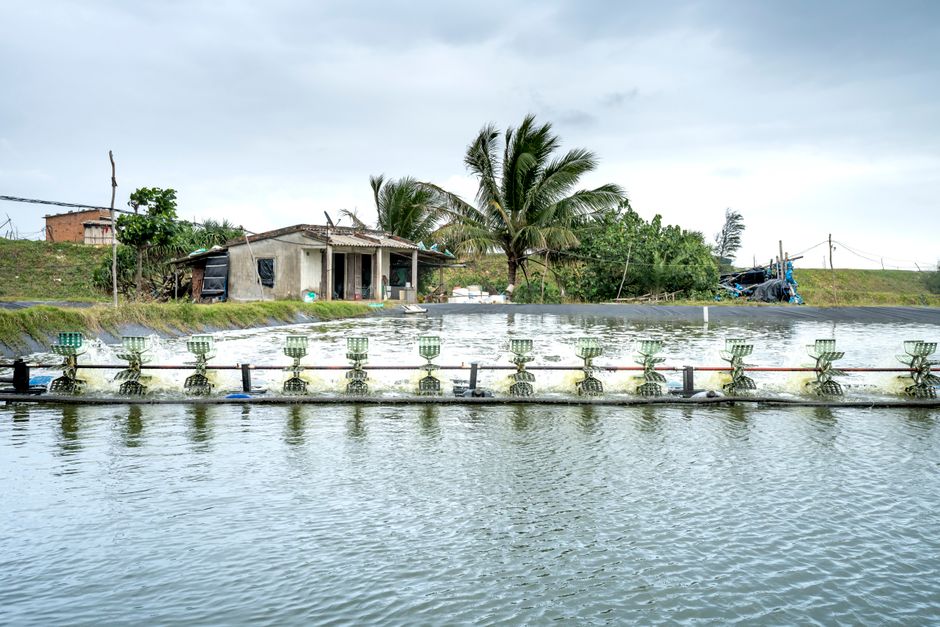
1. Myth: the more power the better - ignore the oxygenation efficiency
When many farmers buy an aerator, the first reaction is that "the more power, the better the aerating effect". However, the actual aerating capacity of an aerator depends not only on the power, but also closely related to its design, impeller shape, speed and water environment. A high-power but poorly designed aerator may consume high energy, be noisy, and have low oxygen efficiency.
The correct approach is to focus on the "power efficiency" of the aerator, which is the amount of oxygen (kgO2/kWh) transferred into the water per kilowatt-hour of electrical energy. High-quality aerators typically have a power efficiency above 1.5, while inferior products may be less than 1.0. For example, in a 3-acre pond, an aerator with a power of 3 kW may aerate better than a normal aerator with a power of 5 kW, because the former uses efficient aeration technology.
Purchase suggestion: According to the pond area, water depth and breeding density, calculate the total oxygen increase required, and then choose a model with high power efficiency instead of blindly pursuing high power. You can consult the manufacturer or refer to the third-party test report to compare the oxygen increase performance curves of different products.
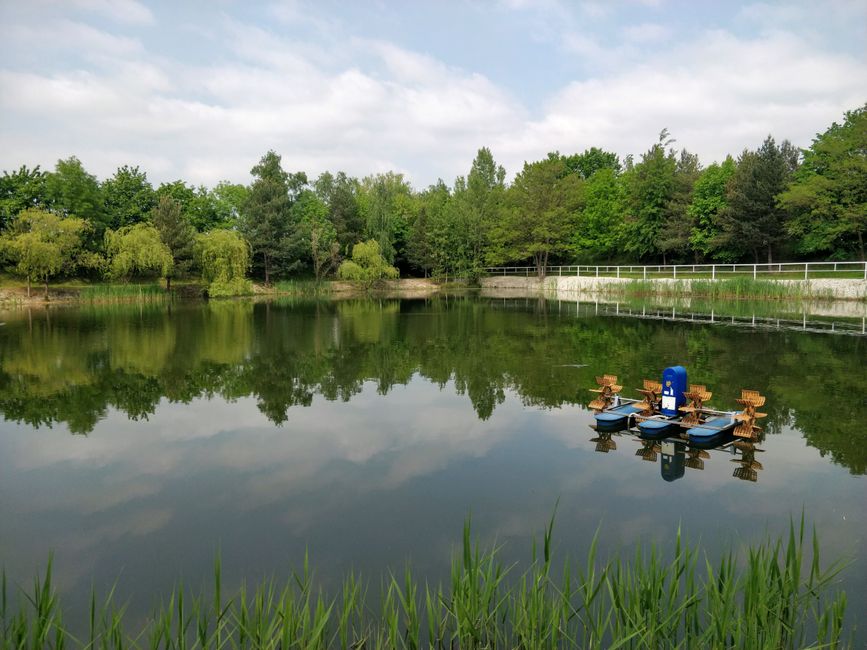
2. Misconception: Focusing only on price and ignoring long-term energy consumption
Aerators are one of the main power-consuming equipment in farms, and the electricity bills for long-term operation often far exceed the purchase price of the equipment itself. In order to save the initial investment, many farmers choose low-cost and low-quality products, resulting in frequent failures after half a year of use, high maintenance costs, and alarming electricity bills.
Take a 3kW aerator as an example, it runs for 8 hours a day, and the electricity bill is calculated at 0.6 yuan/kWh, which is about 5256 yuan a year. If you choose an energy-efficient model, you can save 20% of the electricity, and you can save thousands of yuan a year. Over a few years, it is enough to offset the price difference at the time of purchase.
Buying suggestion: Consider the aerator as a long-term investment and calculate the total cost of ownership (purchase price + electricity + maintenance fee). Priority is given to brands with high energy efficiency, long warranty period and good reputation. At the same time, consider equipping with a frequency conversion controller, which can automatically adjust the speed according to the amount of dissolved oxygen to further save energy.
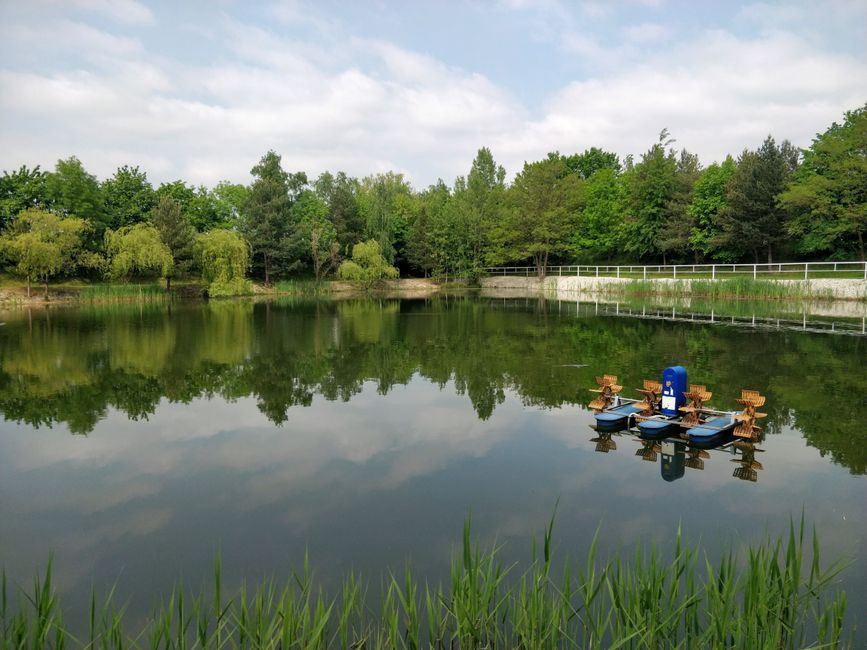
3. Misunderstanding: Ignoring pond shape and aerator layout
After some farmers buy an aerator, they place it at will, ignoring the shape of the pond and the circulation effect of the aerator. Ponds of different shapes (round, square, narrow and elongated) require different aerator layouts, otherwise there will be oxygen dead ends, resulting in local hypoxia and affecting the growth of aquaculture organisms.
For example, a round pond is suitable for installing a waterwheel-type aerator, whose directional water flow can form a rotating water flow and concentrate dirt; while a square pond may require an impeller-type aerator with micropore aeration at the bottom to cover a larger area. If not properly laid out, even if the total power of the aerator is sufficient, uniform oxygen increase cannot be achieved.
Buying Suggestions: Before purchasing, measure the length, width and depth of the pond, draw a sketch, and consult a technician to recommend the type and quantity of aerator. Common layout principles: Water wheel type aerators are placed along the long side, and impeller type is placed in the center or diagonal to ensure that the water can be circulated to every corner.
4. Misconception: Thinking that aerators are only used for high temperatures in summer
Many farmers believe that the aerator needs to be turned on only when the summer is hot or the weather is muggy, and can be idle in other seasons. However, the role of the aerator is not only to increase oxygen, but also to improve water quality, promote water circulation, and prevent stratification. In winter, especially during the ice seal period, the water body is prone to hypoxia, and the aerator is equally important.
In addition, in the late stage of breeding with a large amount of bait, the decomposition of organic matter consumes a lot of oxygen, and even if the water temperature is not high, there may be insufficient dissolved oxygen. The aerator can also prevent floating heads in low-pressure weather such as rainy and cloudy days.
Buying suggestions: According to the breeding cycle and local climate, develop a year-round aerobic plan. Choose models that can adapt to different seasons, such as impeller aerators with adjustable depth, or intelligent aerators with multiple working modes.
5. Misunderstanding: Ignore dissolved oxygen monitoring and turn it on based on experience
Many farmers rely on traditional experience, such as turning on the aerator only when they see the fish floating head, or timing the switch instead of adjusting it according to the actual amount of oxygen dissolved in the water body. This blind operation can lead to insufficient or excessive oxygenation, which increases costs and is not effective.
The amount of dissolved oxygen is affected by various factors such as weather, water temperature, time, and breeding density, and the difference between dissolved oxygen in the morning and evening is large. If a dissolved oxygen sensor can be installed in the pond, real-time monitoring data, and combined with the automatic control of the aerator, it can not only ensure sufficient dissolved oxygen, but also save energy.
Buying suggestion: It is recommended to buy an aerator with intelligent control function, or configure a dissolved oxygen monitor separately. Choose equipment that supports mobile phone remote monitoring, keep abreast of the pond condition, and adjust the operation of the aerator in time.
6. Misunderstanding: Ignoring after-sales services and parts supply
The aerator runs in water for a long time, which is easy to damage and requires regular maintenance and replacement of parts. If you buy small brands or miscellaneous products, you may face the dilemma of difficult to find accessories and no door after sales, which will affect breeding production.
For example, impellers, bearings, motors and other vulnerable parts, if the manufacturer does not provide accessories, the maintenance cost is high and the cycle is long. Some farmers are greedy for cheap prices and buy machines without after-sales guarantee, which can only be scrapped after damage.
Buying suggestion: Choose a brand with high reputation and complete outlets to confirm the warranty period and after-sales response time. Ask about the price and supply of wearing parts when purchasing. It is best to choose general accessories for easy market purchase. At the same time, regular inspection and maintenance to prolong the life of the machine.
7. Misunderstanding: Think that the type of aerator is single, and do not understand the applicable scenarios
There are many types of aerators on the market, such as impeller type, waterwheel type, jet type, water spray type, microporous aeration, etc. Different types are suitable for different breeding scenarios. But many farmers only recognize one type and do not understand its differences, resulting in poor use results.
For example, the impeller-type aerator is suitable for deep-water ponds, with strong oxygenation capacity but loud noise; the water wheel type is suitable for shallow water or shrimp ponds, with smooth water flow and no damage to shrimp bodies; microporous aeration is suitable for high-density intensive breeding, with good oxygenation effect at the bottom, but high installation cost. If you choose the wrong type, not only will the oxygenation effect be poor, but it may also cause stress to farmed organisms.
Buying suggestion: Choose according to the breeding variety, pond conditions, and breeding mode. Shrimp and crab breeding is recommended to be waterwheel type or bottom microporous; fish breeding can be selected as impeller type or combined type. Consult more experienced farmers or technicians to understand the application effect of different models in practice.
In short, the purchase of an aerator is a highly professional task that requires comprehensive consideration of various factors. Avoid the above misunderstandings and purchase scientifically in order to improve the success rate of breeding and increase economic benefits.


