
 繁体中文
繁体中文 简体中文
简体中文
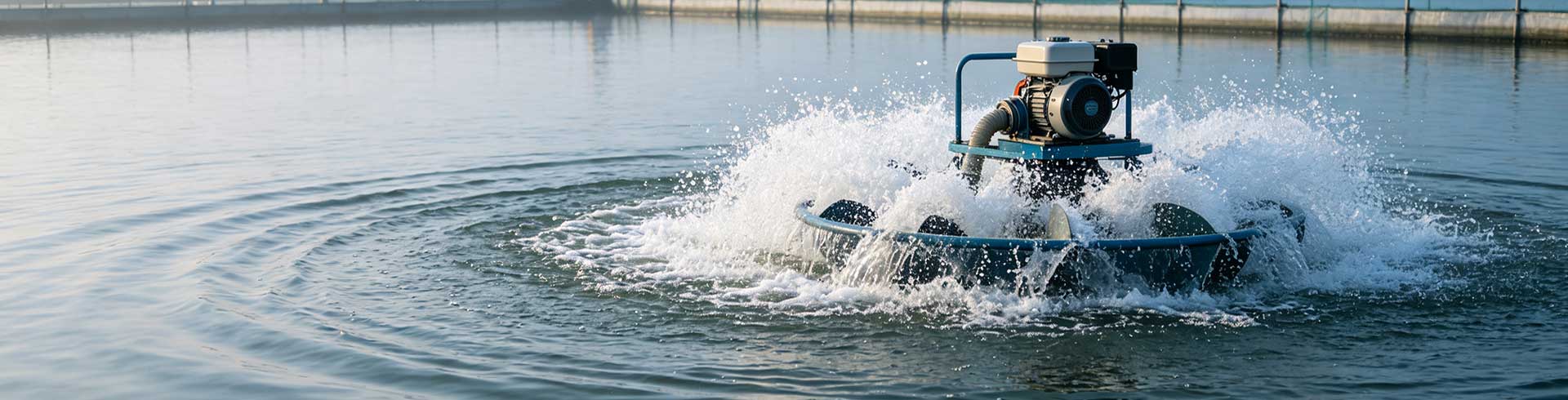
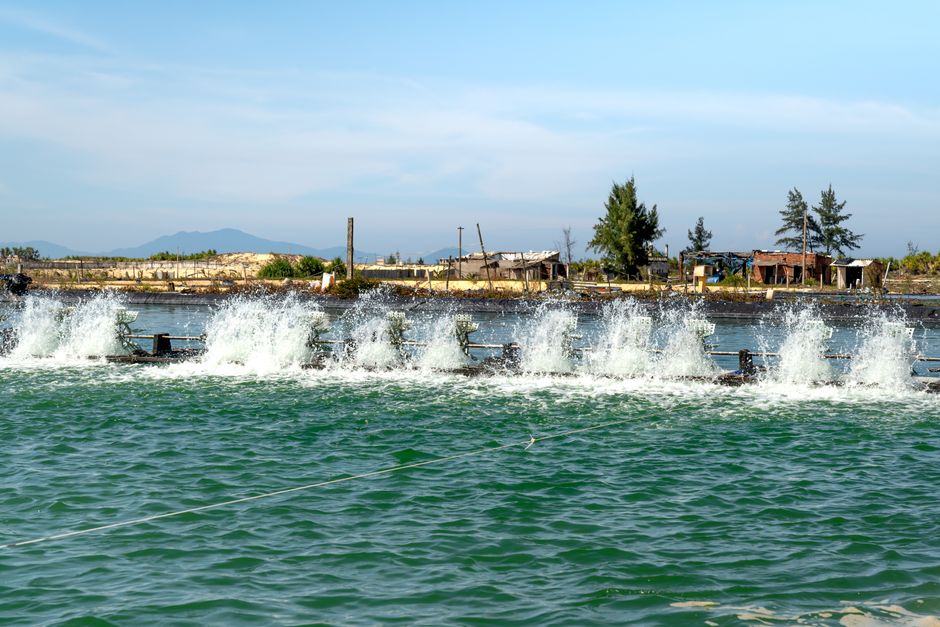
The challenges of high-density farming and the critical role of oxygenation
In aquaculture, the high-density farming model is highly regarded for its high yield per unit area and significant benefits. However, high-density farming also means that the respiratory oxygen consumption of fish and shrimp in the water body increases sharply, and the decomposition of residual bait and feces consumes a lot of dissolved oxygen, which can easily lead to hypoxia in the water body, which can affect growth in light cases, and cause floating heads and ponds in heavy cases, causing huge economic losses. Therefore, a scientific and reasonable oxygen enhancement plan is the key to the success of high-density farming. This article will provide you with a complete set of oxygen enhancement solutions from the aspects of oxygen stimulation equipment selection, configuration strategy, intelligent control and daily maintenance, etc., to help you achieve the goal of increasing production by 30%.
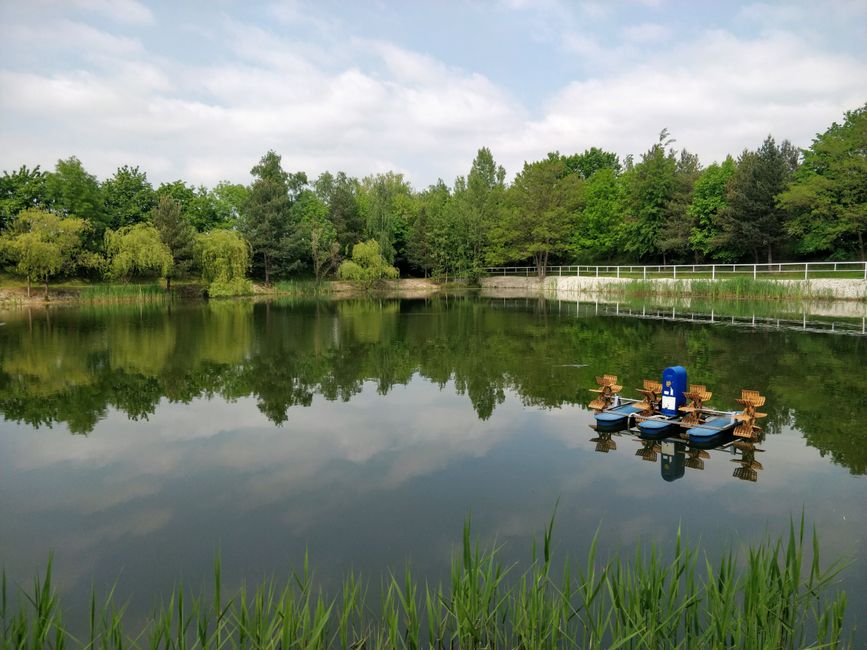
Special requirements for aerobic equipment for high-density farming
The demand for dissolved oxygen in high-density aquaculture ponds far exceeds that of conventional aquaculture, which places higher demands on oxygenation equipment.
- High oxygenation efficiency
It is necessary to quickly increase the dissolved oxygen in the water body in a short time to meet the respiratory needs of fish and shrimp under high density. - Low energy consumption
Long-term operating costs are a core concern for farmers, and energy-efficient equipment can significantly reduce electricity bills. - Durable and reliable
Equipment needs to operate continuously for a long time, and the quality must be excellent to reduce the risk of downtime. - Intelligent management
It can automatically start and stop according to the dissolved oxygen data to achieve accurate oxygenation and avoid waste and risk of hypoxia.
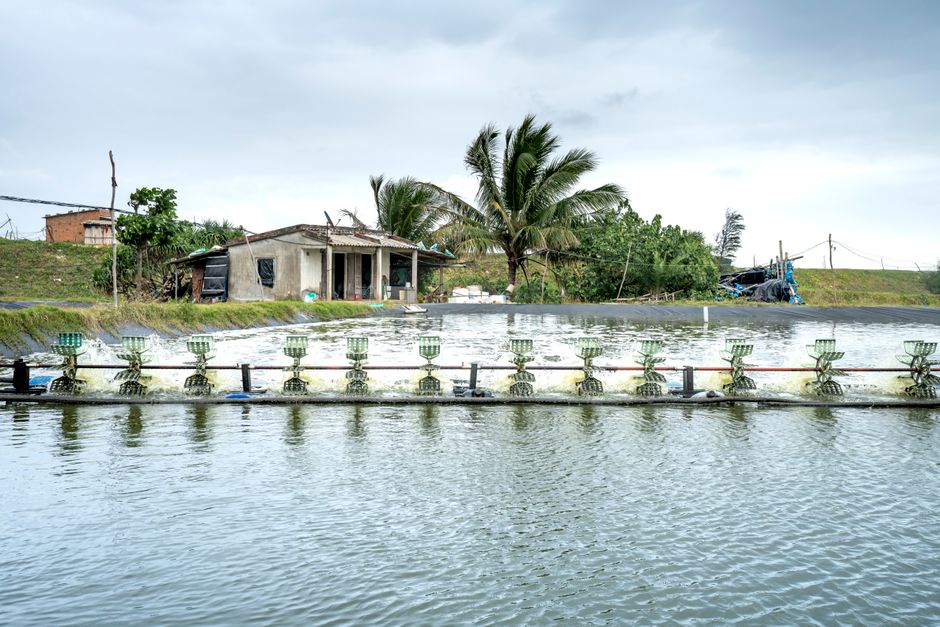
Second, the mainstream oxygenation equipment comparison and selection guide
At present, there are many types of aerobic equipment on the market, each with its own advantages and disadvantages. Choosing the right model is the first step in the plan. The following table compares the characteristics of common aerobic equipment:
| Equipment type | Working principle | applicable scenario | advantage | disadvantage |
|---|---|---|---|---|
| Impeller aerator | The motor drives the impeller to stir water, forming a splash that comes into contact with the air | Large ponds (> 5 acres) | Strong oxygenation capacity, suitable for deep water; promoting water flow and promoting water circulation | High energy consumption; easy to agitate sediment in shallow water areas |
| Waterwheel aerator | The leaves slap against the water, creating waves. | Shrimp ponds, crab ponds (shallow water) | The water flow is gentle, without hurting shrimp and crabs; the oxygenation efficiency is high | The scope of oxygenation is limited, and multiple arrangements are required |
| Microporous aeration and oxygenation device | Release tiny bubbles through microporous tubes to increase the gas-liquid contact area | High-density intensive ponds, factory farming | The bubbles are delicate, the dissolved oxygen efficiency is extremely high; the energy consumption is low; it can be precisely controlled | Required to be equipped with air pumps and pipelines, with a high initial investment |
| Jet aerator | High-pressure water jet, inhaling air and mixing | Deep water ponds, respite ponds | High oxygenation efficiency and mixing function | Noise is high; maintenance is slightly more complex |
| Propeller aerator | The propeller rotates at high speed, generating negative pressure suction | various ponds | Simple structure, low price; suitable for small areas | Low oxygenation efficiency, suitable for assisting |
Selection suggestions:
For high-density farming, it is recommended to use
"Impeller + Microporous Aeration" combination
or
"Waterwheel + Microporous" combination
. The impeller or waterwheel is responsible for surface oxygenation and agitation, and microporous aeration is responsible for bottom-layer dissolved oxygen lifting to achieve three-dimensional oxygenation.
III. Scientific configuration of oxygenation equipment: power and quantity calculation
The configuration of aerating equipment needs to be comprehensively calculated according to factors such as pond area, water depth, breeding density and season. The following is the empirical formula:
- Impeller aerator
Usually calculated according to the service of 1-2 mu of water surface per kilowatt, and 1.5 mu/kW for water depth above 2 meters. High-density aquaculture recommends serving 1 mu per kilowatt. - microporous aeration
: According to the length of each aeration pipe serving 3-5 meters, the air pump power is configured according to the length of the total aeration pipe. Generally, a 3-kilowatt air pump is required for every 100 meters of aeration pipe. - total power
The total oxygenation power of high-density aquaculture ponds should reach 0.5-1 kW per mu, depending on the variety and density adjustment.
Example:
A 10-acre high-density breeding pond for Penaeus vannamei with a water depth of 1.5 meters and a yield of 1,500 kilograms per mu. Recommended configuration: 4 3-kilowatt waterwheel-type aerators (each serving 2.5 acres) + 1 5.5-kilowatt Roots blower (driving 200 meters of microporous aeration tube). Total power is about 17.5 kilowatts, 1.75 kilowatts per mu, to meet high-density demand.
IV. Implementation strategy of oxygenation program: three-dimensional oxygenation and time management
Simply selecting the right equipment is not enough. A reasonable operation strategy can maximize the oxygenation effect.
1. Three-dimensional oxygenation layout
Layer the oxygenation equipment: water truck or impeller on the surface, jet on the middle layer, and micropores on the bottom layer. Ensure uniform dissolved oxygen and avoid "oxygen debt" areas.
2. Time management
According to the change law of dissolved oxygen, the strategy of "opening more during the day and opening frequently at night" is adopted. Photosynthesis produces oxygen during the day, which can appropriately reduce the startup; it is necessary to increase the oxygen increase at night and in rainy days. It is recommended to install an online monitoring system for dissolved oxygen to realize automatic control.
3. Emergency oxygenation
Standby chemical oxygenators (e.g. sodium percarbonate) or mobile oxygenation equipment to respond to sudden power outages or equipment failures.
Intelligent oxygen control system: a powerful tool for reducing costs and increasing efficiency
Modern intelligent control technology can greatly reduce labor costs and improve the efficiency of oxygenation. The system includes a dissolved oxygen sensor, a controller and a frequency converter. The sensor monitors the dissolved oxygen in real time, and automatically starts the aerator when the dissolved oxygen is lower than the set value (such as 3mg/L), and automatically stops when it is higher than the set value (such as 5mg/L). The frequency converter can adjust the motor speed according to the change of dissolved oxygen, realizing stepless speed regulation, and the energy saving effect is remarkable.
Actual effect:
The pond with intelligent control saves more than 30% of electricity compared with the traditional timing switch, while reducing the risk of hypoxia. The survival rate of fish and shrimp is improved, the growth rate is accelerated, and the comprehensive yield can be increased by 30%.
Sixth, daily maintenance and troubleshooting of oxygenation equipment
Equipment maintenance is the foundation for ensuring long-term stable operation. The following are common maintenance points:
- Impeller/Waterwheel
Regularly remove entangled weeds and debris, check the gear box oil level, and replace the oil every quarter. - microporous aeration
The aeration pipe is easy to clog. Clean it with acid every 1-2 months. Check the air filter of the air pump to keep it clean. - motor
Check whether the cable is damaged and whether the terminals are loose to prevent leakage. - Dissolved oxygen sensor
Periodic calibration to clean the dirt on the probe.
Common faults and handling:
- Oxygen does not turn: check the power supply, fuse and motor capacitance.
- Loud running noise: check whether the bearings are worn and whether the gears are short of oil.
- Poor oxygenation effect: check whether the impeller is worn and whether the aeration pipe is broken and leaking.
7. Practical case: How to increase production by 30% through oxygenation transformation
A farmer in Jiangsu owned a 20-acre grass carp pond. Originally, only four 3-kilowatt impeller aerators were used, and the output was 1000 kilograms per mu. Later, the "impeller + microporous aeration + intelligent control" plan was adopted: a new 7.5-kilowatt roots fan was added, a 300-meter microporous tube was laid, and an automatic control system for dissolved oxygen was installed. After the renovation, the dissolved oxygen in the pond was maintained at more than 5mg/L for a long time, the feed utilization rate was improved, and fish diseases were reduced. At the end of the year, the output reached 1300 kilograms per mu, the production was increased by 30%, and the electricity bill was reduced by 15%.
VIII. Summary and recommendations
The core of the high-density aquaculture oxygenation program is:
Select the right equipment, scientific configuration, intelligent control, and meticulous maintenance
According to your breeding species and pond conditions, choose the combination mode flexibly. It is recommended to give priority to the combination of microporous aeration + traditional aerator, and introduce an intelligent control system. Although the initial investment increases, in the long run, the benefits of increased production and energy saving far outweigh the investment.
If you want to get a more detailed personalized plan, feel free to consult our technical team, and we will provide you with free design and guidance.


