 English
 简体中文
简体中文 Русский
 Español
Why a Dental Floss Stick Might Be Your Best Oral Care Upgrade
Brushing alone cleans only about 60% of your tooth surfaces. The remaining 40%—the tight spaces between teeth and along the gumline—is where plaque hides, cavities start, and gum disease begins. Traditional string floss works, but it requires dexterity, patience, and a fair amount of motivation. That's exactly why the dental floss stick (also called a floss pick, floss holder, or interdental floss pick) has become one of the most popular oral care tools on the market.
A dental floss stick is a small plastic handle with a curved head holding a short span of floss. You hold the handle, slide the floss between your teeth, and clean—no wrapping around fingers, no awkward reaching, no mirror gymnastics. But not all floss sticks are created equal. This buyer's guide walks you through everything you need to know before you buy, from floss material and handle ergonomics to eco-friendly options and clinical effectiveness.
What Exactly Is a Dental Floss Stick?
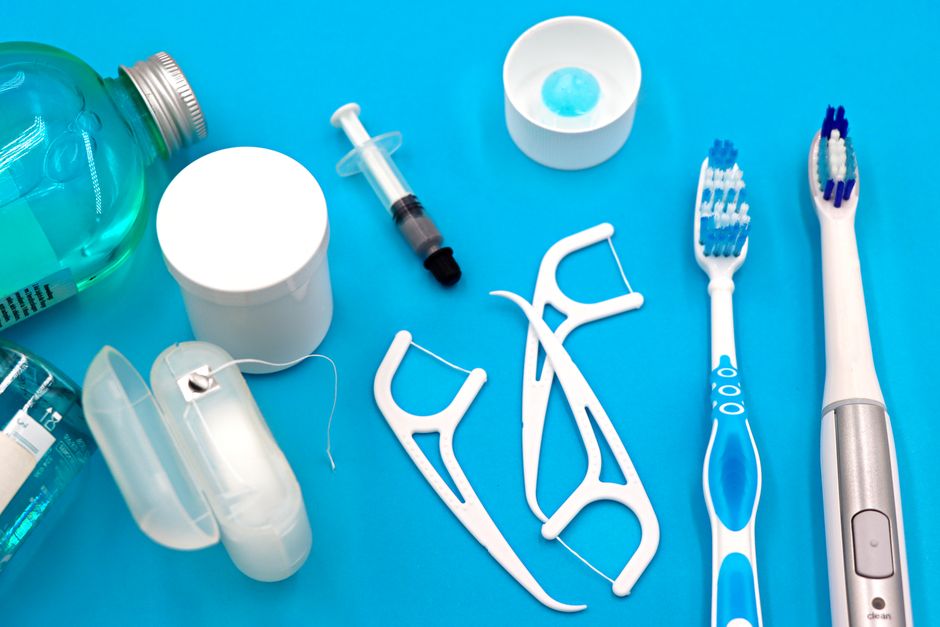
A dental floss stick is a single-use or reusable oral hygiene tool consisting of three main parts:
- The handle: Usually plastic, sometimes bamboo or recycled material, designed to be gripped with one hand.
- The head: A C-shaped or Y-shaped fork that holds the floss taut.
- The floss: A short strand stretched between the two prongs, often waxed and sometimes flavored (mint is common).
Some floss sticks include a pointed tip at the opposite end, which doubles as a toothpick for dislodging larger food particles. Others feature textured grips, angled heads, or flexible necks for better reach.
Types of Dental Floss Sticks
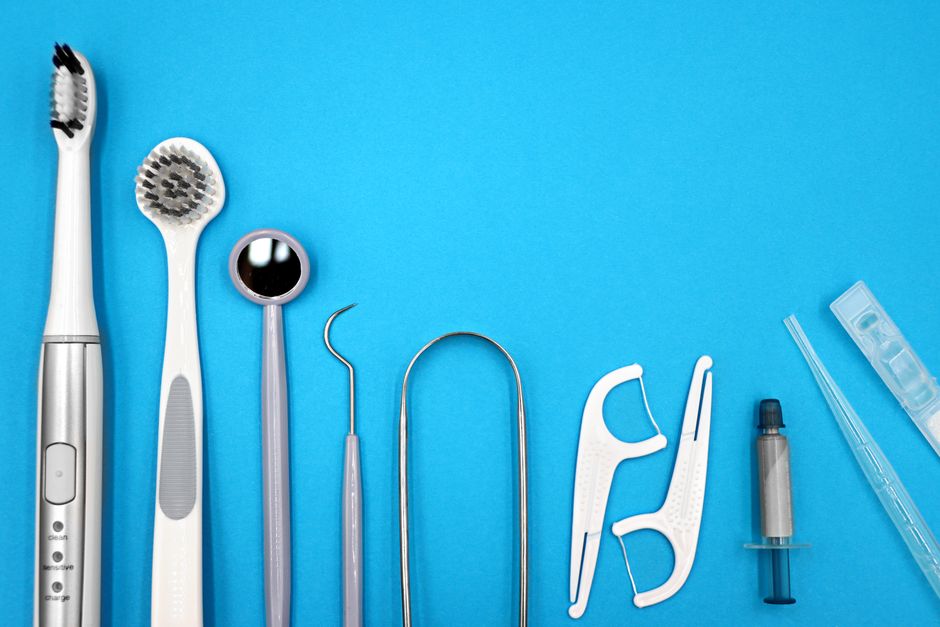
1. Standard Disposable Floss Picks
These are the most common and affordable option. Sold in bags of 50 to 300, they're meant to be used once and thrown away. They're convenient for travel, work, and quick cleanups after meals. The downside is plastic waste and the fact that the short floss span can make it harder to wrap around the curve of each tooth.
2. Reusable Floss Holders
A reusable floss holder has a sturdy handle and a head you can re-thread with your own floss. You get the control of string floss with the convenience of a handle. These are ideal for people who want less waste, prefer a specific floss type, or have braces and need more precision.
3. Y-Shaped vs. C-Shaped Heads
Y-shaped (also called F-shaped) floss sticks have a straight fork that lets you reach the back molars more easily. C-shaped heads offer a curved profile that many users find better for hugging the contours of teeth. If you have tight back teeth or a small mouth, a Y-shaped head is often the more practical choice.
4. Eco-Friendly and Biodegradable Floss Sticks
Made from bamboo, cornstarch-based PLA, or recycled plastic, these options appeal to environmentally conscious buyers. Look for biodegradable floss made from silk, bamboo fiber, or plant-based polymers, and packaging that's compostable or recyclable.
5. Specialized Options
- Orthodontic floss sticks: Designed with thinner floss and a threader end for braces and wires.
- Extra-soft floss picks: Gentler on sensitive gums and bleeding gums.
- Flavored floss picks: Mint, cinnamon, or tea tree oil coatings for fresher breath.
- Kids' floss sticks: Smaller heads, fun colors, and shorter handles for little hands.
Key Features to Compare Before You Buy
Floss Material and Coating
Most floss sticks use nylon or PTFE (polytetrafluoroethylene) floss. Nylon is soft and effective but can shred on tight contacts. PTFE is slick, shred-resistant, and glides easily—great for tight teeth, though some buyers prefer to avoid it for environmental reasons. Waxed floss slides more easily; unwaxed floss can squeak against teeth, which some people find reassuring because it signals cleanliness. Look for coatings like fluoride, mint, or tea tree oil if you want extra benefits.
Handle Design and Grip
Ergonomics matter more than most buyers realize. A floss stick with a textured, non-slip grip reduces hand fatigue and gives you better control. Angled or flexible necks help you reach back molars without opening your mouth uncomfortably wide. If you have arthritis, hand weakness, or limited dexterity, a wider, thicker handle is easier to hold than a slim one.
Floss Tension
The floss should be taut but not rigid. If it's too loose, it won't scrape plaque effectively. If it's too tight, it can snap or cut into your gums. Quality brands maintain consistent tension across every stick in the pack.
Sharpness of the Pick End
The toothpick tip should be pointed enough to dislodge food but not so sharp that it injures your gums. Rounded or tapered tips are safer, especially for children and people with sensitive gums.
Size and Portability
If you plan to carry floss sticks in a purse, pocket, or desk drawer, look for slim, compact designs. Travel cases and resealable pouches help keep them hygienic.
Comparison Table: Floss Stick Types at a Glance
| Type | Best For | Waste Level | Cost | Ease of Use |
|---|---|---|---|---|
| Standard disposable | Travel, quick cleanups | High | Low | Very easy |
| Reusable floss holder | Daily home use, braces | Low | Medium | Moderate |
| Y-shaped head | Back molars, small mouths | Varies | Low–Medium | Easy |
| Eco-friendly/biodegradable | Eco-conscious users | Low | Medium–High | Easy |
| Orthodontic | Braces, bridges | Varies | Medium | Moderate |
| Kids' floss sticks | Children 4+ | High | Low | Very easy |
Do Dental Floss Sticks Actually Work?
Yes—when used correctly. Studies show that floss picks remove plaque similarly to traditional string floss for many users, especially when used daily. The key is technique: slide the floss gently between teeth, curve it into a C-shape around each tooth, and move it up and down against the side of the tooth, including just below the gumline. Rinse the floss between teeth if possible, or use a fresh stick for different sections of the mouth.
One caveat: because the floss span on a stick is short and fixed, it can be harder to wrap around the back side of the last molar. If you have wider gaps or dental work, a reusable holder or interdental brush may be more effective. Many dentists recommend using floss sticks in combination with brushing and, if needed, a water flosser.
Practical Tips for Choosing the Right Floss Stick
- Match the tool to your mouth: Tight teeth? Choose PTFE or waxed floss. Braces? Choose orthodontic picks. Sensitive gums? Choose soft, unwaxed floss.
- Test grip comfort: Hold the handle before committing to a bulk pack. If it feels awkward, you won't use it.
- Check for shredding: After a few uses, inspect whether the floss frays. Frequent shredding means you need a smoother floss material.
- Buy in bulk for savings, but start small: Try a small pack first to confirm the fit and feel.
- Consider the environment: If waste bothers you, a reusable holder with biodegradable floss is the greener route.
- Store hygienically: Keep sticks in a clean, dry container away from bathroom spray and moisture.
- Replace regularly: Disposable sticks are single-use. Reusable holders should be rinsed after each use and replaced when the head wears out.
Common Mistakes to Avoid
Even with a convenient tool, technique matters. Avoid snapping the floss into your gums, which can cause bleeding and irritation. Don't reuse disposable floss sticks—bacteria accumulate on the floss and handle. Don't skip the back sides of your last teeth. And don't rely on floss sticks alone if you have gum disease or deep pockets; your dentist may recommend additional interdental tools.
Frequently Asked Questions
Are dental floss sticks as good as string floss?
For most people, yes—if used daily and correctly. They remove plaque effectively between teeth. String floss may still be better for very tight contacts or complex dental work, but floss sticks win on consistency because people actually use them.
Can I reuse a disposable floss stick?
No. Disposable sticks are designed for single use. Reusing them spreads bacteria and the floss loses tension.
Are floss sticks safe for kids?
Yes, with supervision. Choose kids' sizes with rounded tips, and teach children to use gentle pressure. Most children can start around age 4–6 with help.
What's the best floss stick for braces?
Orthodontic floss sticks with a threader end or a reusable holder with super floss are the best choices for braces and bridges.
Final Verdict
The best dental floss stick is the one you'll actually use every day. Prioritize a comfortable grip, the right floss material for your teeth, and a head shape that reaches your back molars. If sustainability matters to you, invest in a reusable holder or biodegradable picks. Whichever you choose, pair it with twice-daily brushing and regular dental checkups for a complete oral care routine. A small, inexpensive tool can make a measurable difference in your long-term dental health—so choose wisely, and floss daily.