 English
 简体中文
简体中文 Русский
 Español
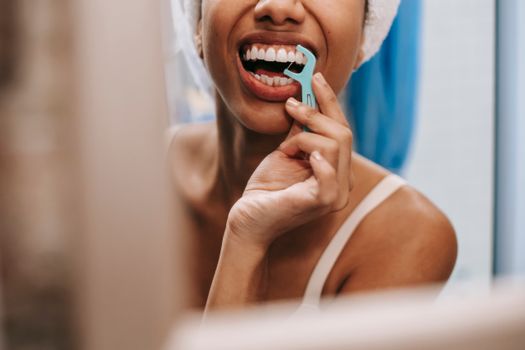
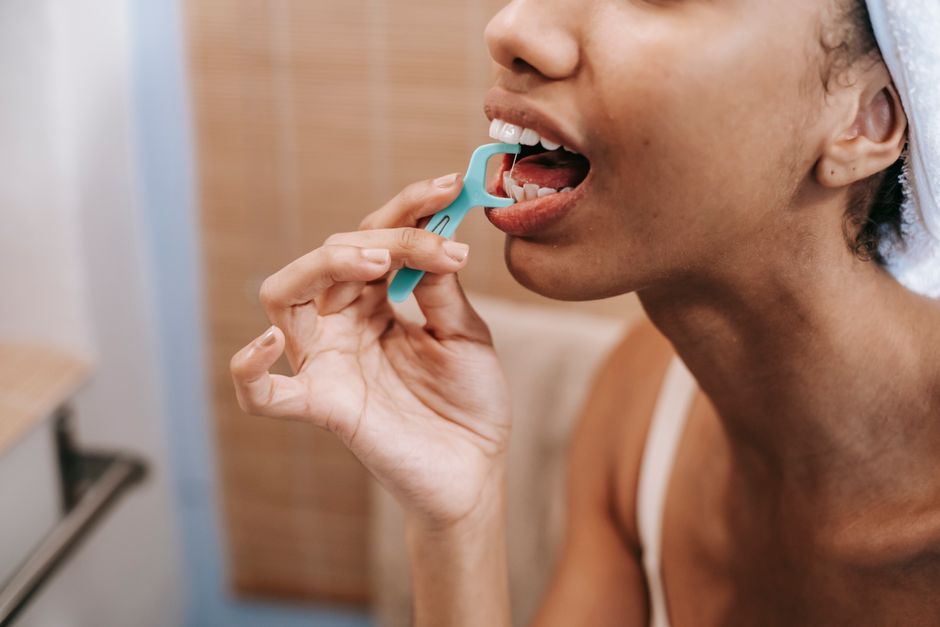
Introduction to Wisdom Teeth and Dental Floss Sticks
Wisdom teeth, or third molars, typically emerge between the ages of 17 and 25. They are notorious for causing discomfort, crowding, and difficulty in cleaning. Proper oral hygiene is crucial during this time, but reaching these back teeth with traditional dental floss can be challenging. Enter the dental floss stick—a handy tool that combines a floss strand with a plastic handle, making it easier to clean hard-to-reach areas. This guide will walk you through everything you need to know about using dental floss sticks for wisdom teeth, from benefits to step-by-step techniques and safety tips.
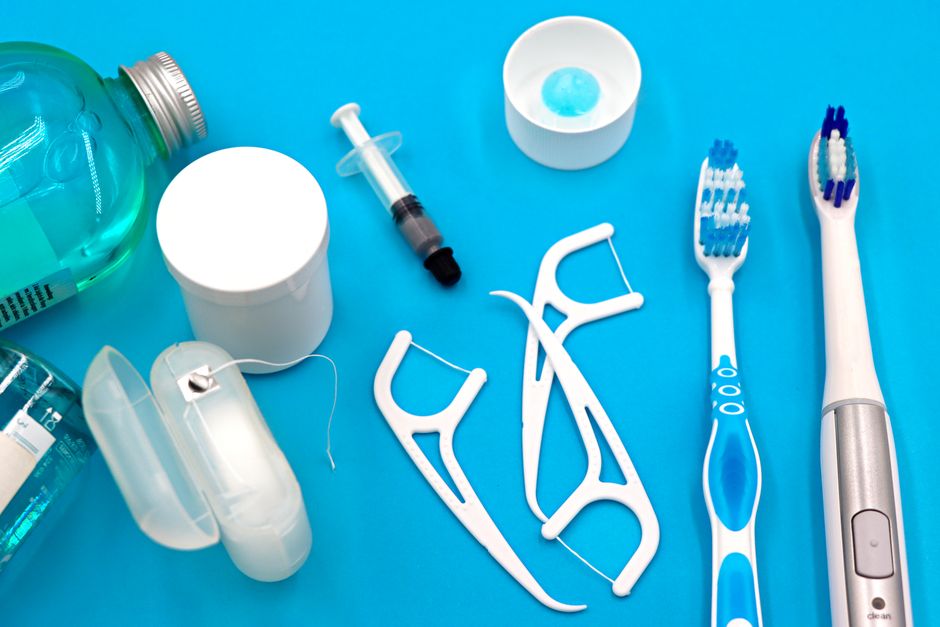
Why Wisdom Teeth Are Hard to Clean
Wisdom teeth are located at the very back of the mouth, often in tight spaces where a toothbrush and regular floss struggle to reach. They may be partially erupted, impacted, or tilted, creating pockets where food particles and bacteria accumulate. If not cleaned properly, this can lead to:
- Plaque buildup and tartar formation
- Gingivitis and periodontal disease
- Tooth decay and cavities
- Pericoronitis (infection around the wisdom tooth)
- Bad breath and discomfort
Dental floss sticks offer a practical solution by providing a longer reach and better control, especially for those with limited dexterity or a strong gag reflex.
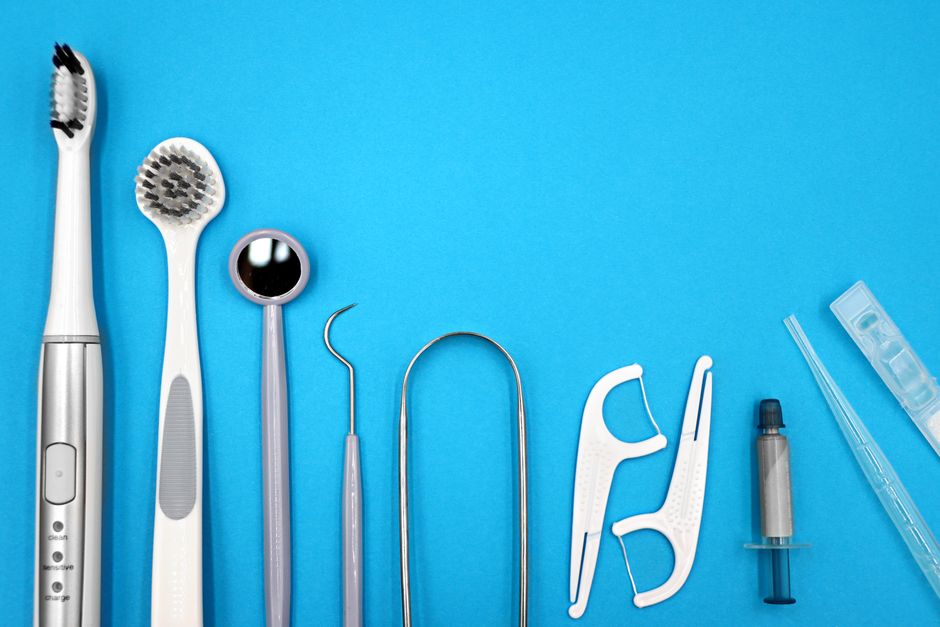
What Are Dental Floss Sticks?
Dental floss sticks, also known as floss picks or flossers, are small plastic tools with a handle and a U-shaped head that holds a short segment of dental floss. They are designed for single-use convenience and are widely available in stores. Some models feature a pointed tip for removing food debris, while others have textured handles for a better grip. For wisdom teeth, choose floss sticks with a long handle and a thin, flexible floss that can navigate tight spaces.
Benefits of Using Dental Floss Sticks for Wisdom Teeth
Compared to traditional string floss, dental floss sticks offer several advantages when it comes to wisdom teeth:
- Ease of use: The handle allows you to reach the back of your mouth without awkward finger contortions.
- Better control: You can guide the floss precisely around the wisdom tooth and gum line.
- Time-saving: Flossing with a stick is quicker, encouraging consistent daily habits.
- Portability: Individually wrapped floss sticks are perfect for on-the-go use after meals.
- Gentle on gums: The floss is often softer and less likely to cut gums when used correctly.
- Accessibility: Ideal for people with braces, bridges, or limited manual dexterity.
Step-by-Step Guide: How to Floss Wisdom Teeth with a Floss Stick
Follow these steps to effectively clean your wisdom teeth using a dental floss stick:
- Choose the right floss stick: Select a floss pick with a long, angled handle and a thin floss strand. Avoid floss that is too thick, as it may not fit between tight teeth.
- Wash your hands: Always start with clean hands to prevent introducing bacteria into your mouth.
- Position the floss: Hold the handle and gently insert the floss between your wisdom tooth and the adjacent molar. Use a sawing motion to slide it past the contact point.
- Curve around the tooth: Once the floss is between the teeth, curve it into a C-shape against the side of the wisdom tooth. Gently slide it up and down, going slightly below the gum line.
- Clean both sides: Repeat the C-shape motion on the other side of the tooth, then move to the next gap.
- Don't forget the back: If your wisdom tooth is partially erupted, use the floss stick to clean the back surface and any pockets. Some floss picks have a pointed tip for this purpose.
- Rinse and dispose: After flossing, rinse your mouth with water or mouthwash. Discard the floss stick—do not reuse it, as bacteria can accumulate.
Tips for Flossing Impacted or Partially Erupted Wisdom Teeth
Impacted or partially erupted wisdom teeth require extra care. Here are some practical tips:
- Use a soft-bristle toothbrush to gently brush around the area before flossing.
- Try a water flosser as a supplement if floss sticks are too painful or difficult to maneuver.
- Be gentle: Avoid forcing the floss into tight spaces, which can cause bleeding and infection.
- Consult your dentist: If you experience pain, swelling, or bleeding, see a professional. Impacted wisdom teeth may need extraction.
- Use an antiseptic mouthwash to reduce bacteria in hard-to-reach areas.
- Consider angled floss picks designed specifically for back teeth.
Common Mistakes to Avoid
Even with the right tool, improper technique can reduce effectiveness or cause harm. Avoid these common mistakes:
- Snapping the floss: Forcing floss between teeth can damage gums and cause bleeding.
- Reusing floss sticks: They are single-use; reusing can spread bacteria.
- Skipping the gum line: Flossing should go slightly below the gum line to remove plaque.
- Using too much force: Gentle pressure is key, especially around sensitive wisdom teeth.
- Neglecting the back side: The back of the last molar is often missed but can harbor bacteria.
- Relying solely on floss sticks: They complement but do not replace regular brushing and professional cleanings.
Choosing the Best Dental Floss Sticks for Wisdom Teeth
Not all floss sticks are created equal. When shopping, look for these features:
| Feature | Why It Matters |
|---|---|
| Long handle | Provides extra reach to back teeth |
| Angled head | Improves access to wisdom teeth |
| Thin, waxed floss | Slides easily between tight teeth |
| Textured grip | Prevents slipping when hands are wet |
| Pointed tip | Helps remove food debris |
| BPA-free plastic | Safe for oral use |
Some brands offer specialized floss picks for braces or sensitive gums. Read reviews and consult your dentist for personalized recommendations.
How Often Should You Floss Wisdom Teeth?
Dentists recommend flossing at least once a day, ideally before bedtime. For wisdom teeth, you may need to floss after every meal if you are prone to food trapping. Consistency is more important than frequency—make it a habit. If you wear braces or have a fixed retainer, floss sticks can be a game-changer for daily maintenance.
When to See a Dentist
While dental floss sticks are excellent for home care, they are not a substitute for professional dental visits. Schedule an appointment if you experience:
- Persistent pain or swelling around wisdom teeth
- Bleeding gums that don't stop after flossing
- Difficulty opening your mouth or swallowing
- Bad breath or a bad taste that won't go away
- Visible decay or damage to the wisdom tooth
Your dentist can assess whether your wisdom teeth need to be removed and provide guidance on the best flossing techniques for your specific situation.
Conclusion
Dental floss sticks are a valuable tool for maintaining oral hygiene, especially when it comes to hard-to-reach wisdom teeth. By choosing the right floss pick and following proper technique, you can effectively remove plaque and food particles, reducing the risk of cavities and gum disease. Remember to floss daily, avoid common mistakes, and see your dentist regularly. With a little practice, using dental floss sticks for wisdom teeth will become a seamless part of your oral care routine.