
 English
 简体中文
简体中文 Русский
 Español
 Deutsch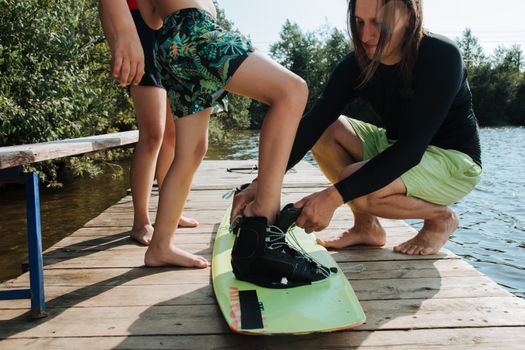
Wakeboard Bindings vs Boots: Which to Choose?
If you're setting up a new wakeboard or upgrading your current ride, one of the most important decisions you'll make is how your feet connect to the board. The terms wakeboard bindings and wakeboard boots are often used interchangeably, but they actually describe two different approaches to the same problem: keeping you locked in, comfortable, and in control behind the boat or at the cable park.
In this guide, we'll break down the differences between traditional bindings and modern closed-toe boots, compare them across the features that matter most, and give you a clear recommendation based on how and where you ride.
What Are Wakeboard Bindings?
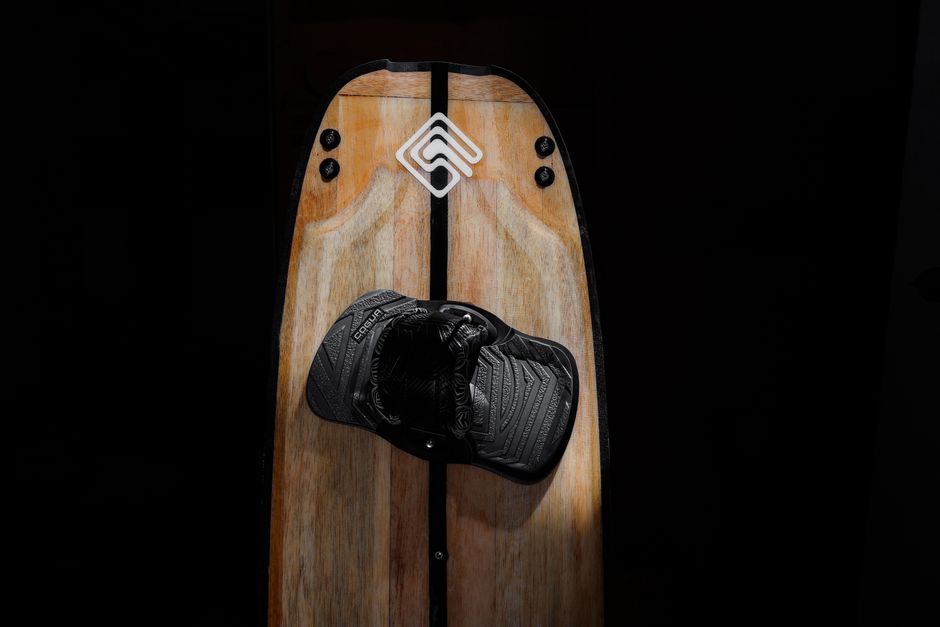
Wakeboard bindings are the classic foot-holding system. They typically consist of an open-toe design with adjustable overlays, laces, or Velcro straps that secure your foot to the board. Bindings are usually sold as a separate pair and mounted to any board with standard insert patterns.
Key traits of traditional bindings:
- Open-toe construction that accommodates a wider range of foot sizes
- Often adjustable across multiple riders
- Generally lighter and less expensive
- Easier to share between riders of similar foot size
- More airflow, which some riders prefer in warm conditions
What Are Wakeboard Boots?
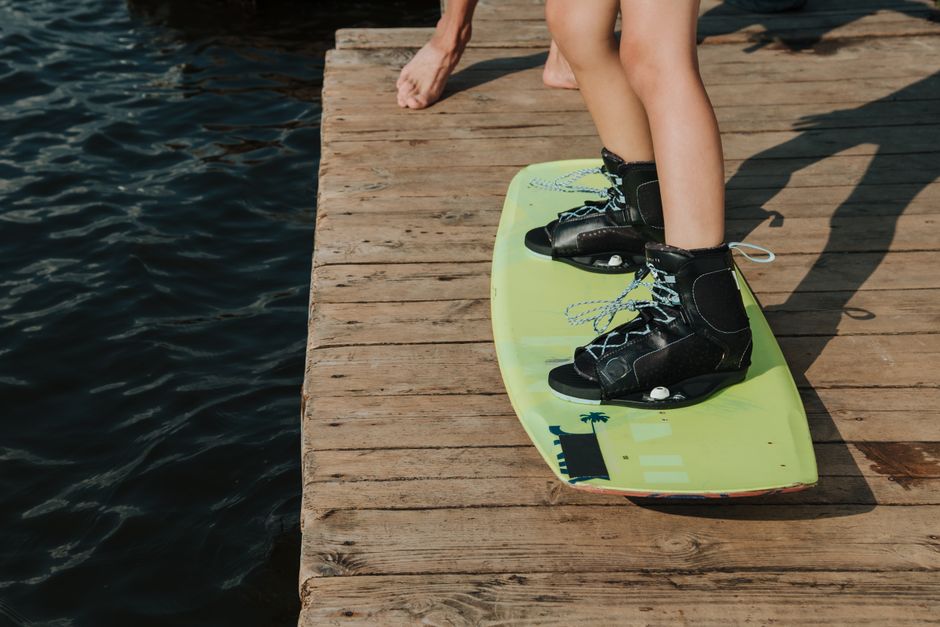
Wakeboard boots are a more recent evolution. They look and feel much closer to snowboard boots: closed-toe, size-specific, and built with a stiffer, more supportive structure. Boots are usually sold in specific sizes and are designed to fit one rider perfectly.
Key traits of closed-toe boots:
- Closed-toe, size-specific fit for maximum control
- Stiffer flex patterns for aggressive edging and big landings
- Better warmth in cold water
- Often feature heat-moldable liners and advanced lacing systems
- Higher price point and less shareable between riders
Head-to-Head Comparison
The table below summarizes how bindings and boots stack up across the features riders care about most.
| Feature | Traditional Bindings | Closed-Toe Boots |
|---|---|---|
| Fit | Adjustable, one-size-fits-many | Size-specific, precise |
| Support & Control | Moderate | High |
| Comfort | Good for short sessions | Excellent for long sessions |
| Warmth | Lower (open toe) | Higher (closed toe) |
| Weight | Lighter | Slightly heavier |
| Price | Budget-friendly | Premium |
| Shareability | High | Low |
| Best For | Beginners, families, rental fleets | Advanced riders, cable parks, cold water |
Performance: Where Boots Pull Ahead
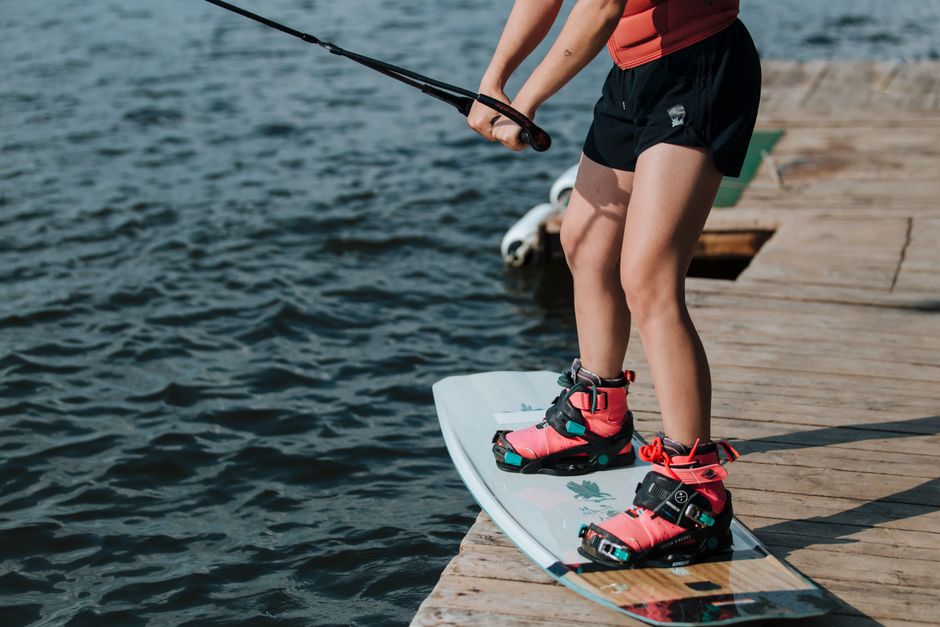
When you're edging hard into the wake or stomping a big landing, every bit of connection between your foot and the board matters. Closed-toe boots offer a stiffer, more responsive platform that translates your movements directly into board control. The result is sharper edge hold, more predictable pop, and less fatigue on long sets.
Traditional bindings, by contrast, tend to have a softer, more forgiving feel. That's great for beginners learning the basics, but advanced riders often find them vague when pushing hard.
Comfort and Warmth
If you ride in cold water or early-morning sessions, boots are the clear winner. The closed-toe design traps warmth and keeps spray out. Open-toe bindings let water in and can leave your toes numb on chilly days.
For warm-weather riding, some riders actually prefer the airflow of open-toe bindings. It's a personal preference, but it's worth testing both if you can.
Cost and Practicality
Budget matters. Traditional bindings are generally cheaper and can be shared between riders of similar foot size, which makes them ideal for families or rental operations. Boots are a personal investment: once they're molded to your feet, nobody else wants to wear them.
If you're buying your first setup and aren't sure you'll stick with the sport, bindings are the safer entry point. If you're committed and riding regularly, boots will pay off in performance and comfort.
Which Should You Choose?
Here's our straightforward recommendation:
- Choose traditional bindings if: you're a beginner, you share your board with family or friends, you ride mostly in warm water, or you're on a tight budget.
- Choose closed-toe boots if: you're an intermediate or advanced rider, you ride at a cable park, you ride in cold water, or you want maximum control and comfort.
For most progressing riders, closed-toe wakeboard boots are the better long-term investment. They deliver superior performance, warmth, and comfort, and they'll help you ride harder and longer. Beginners and casual riders, however, will get plenty of value from a solid pair of traditional bindings.
Final Thoughts
There's no single right answer, but there is a right answer for you. Match your choice to your skill level, riding conditions, and budget, and you'll be set up for a great season on the water. Whichever you pick, make sure your bindings or boots are properly mounted and fit snugly, because a loose connection is the fastest way to ruin a good set.
Ask us anything about construction, materials, samples or shipping — we answer personally.