 English
 简体中文
简体中文 Русский
 Español
 Deutsch
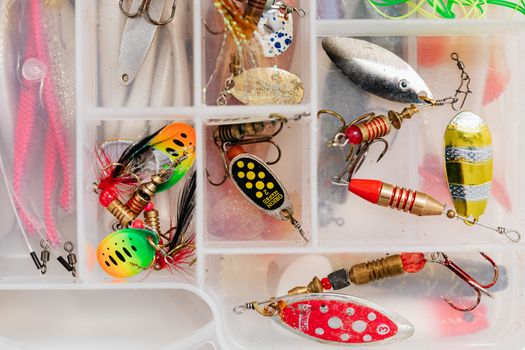
Fishing tackle buyout news explained: what acquisitions mean for prices, warranties, parts, and your favorite gear. Stock smart and keep fishing.
What Is a Fishing Tackle Buyout?
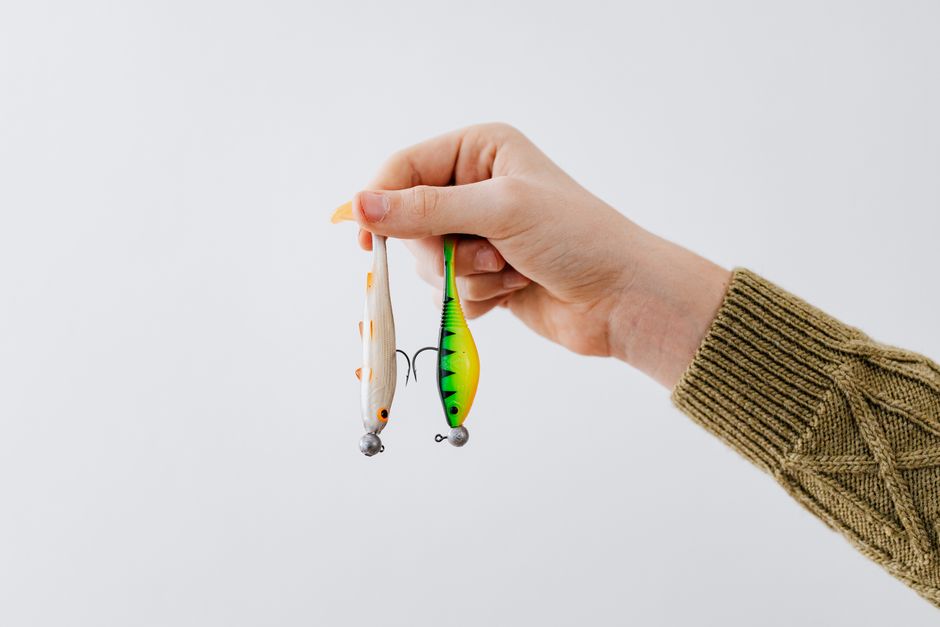
A fishing tackle buyout happens when one company purchases another tackle brand, or when a retailer or distributor acquires a large inventory of fishing gear at once. You might see it described as an acquisition, a merger, or a liquidation buyout. In every case, the ownership or the inventory of the tackle you use changes hands.
Buyouts are common in the fishing industry because the market is fragmented. There are hundreds of rod builders, lure makers, reel manufacturers, and accessory brands. Larger companies often buy smaller, well-loved brands to gain their technology, their customer base, or their shelf space. Sometimes a buyout is a rescue, and sometimes it is a growth play.
Why Do Fishing Tackle Buyouts Happen?
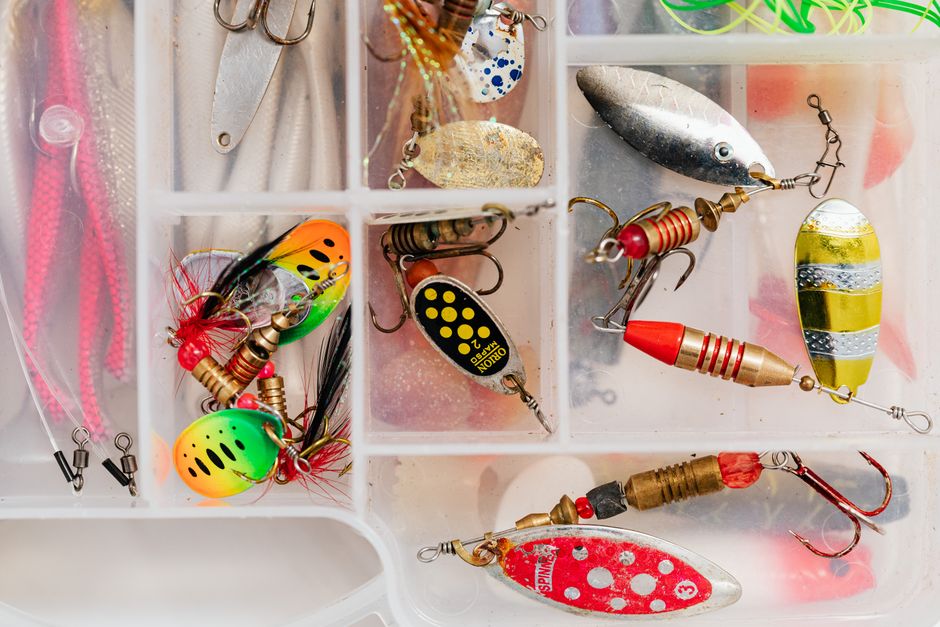
Most buyouts are driven by one of three forces. First, consolidation: parent companies want a full lineup of rods, reels, lines, and lures so they can negotiate better deals with big-box stores. Second, succession: many tackle brands are family owned, and the founders retire without a clear heir. Third, distress: a brand may be profitable on paper but short on cash, making it a target for a larger buyer.
There is also the inventory angle. When a retailer closes or a distributor changes strategy, pallets of lures, hooks, and line get sold in bulk. Anglers often call these events buyouts too, even though no brand changed ownership. The result is the same: discounted gear floods the market for a short time.
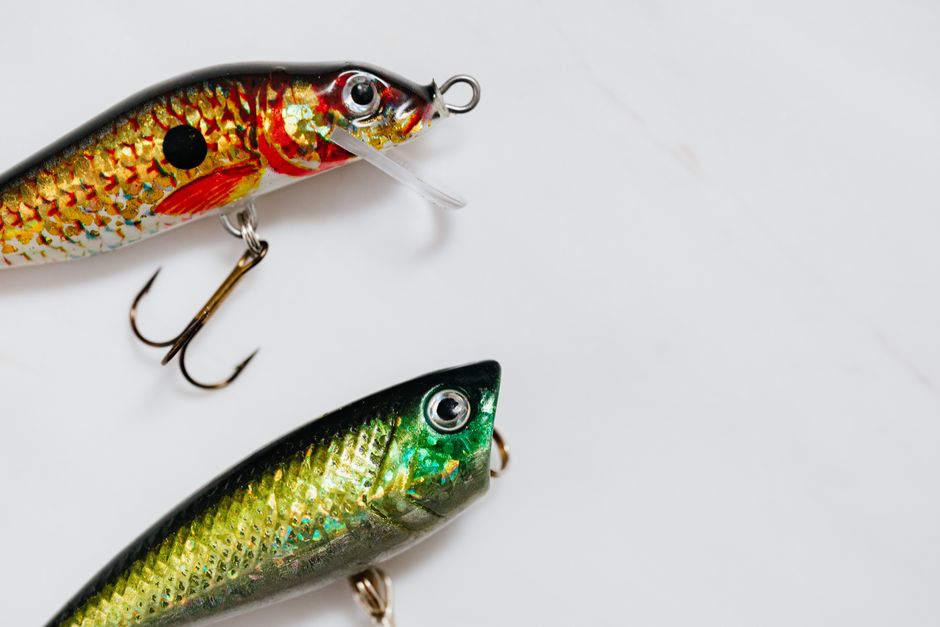
Does a Buyout Change the Quality of My Favorite Tackle?
Not automatically. Many acquisitions leave the original factory, tooling, and staff in place. The new owner may keep the same materials and processes for years. In those cases, the lure you love stays the lure you love, only the logo on the package may change.
Problems usually appear when a buyer moves production to a cheaper facility, swaps components, or discontinues slow-selling models. If a bait used a specific Japanese hook or a particular plastic formula, a cost-cutting owner may replace it. Watch for changes in hook brand, paint finish, and packaging text. Those are early signals that the formula is shifting.
Will Prices Go Up or Down After a Buyout?
Short term, prices often go down. Buyouts frequently come with clearance sales as the new owner clears old stock and old packaging. This is the best window to stock up on proven baits at a discount.
Long term, prices can rise. A larger parent company may raise prices to protect margins, or it may cut the low-cost models and push anglers toward premium lines. If a brand was underpriced for years, a buyout is often the moment the new owner corrects that. Budget accordingly and buy in bulk during the transition.
What Happens to Warranties and Customer Service?
In most asset purchases, the new owner is not legally required to honor old warranties. Some do anyway to protect the brand, but others point customers to the former owner, who may no longer exist. Before you buy a rod or reel from a brand in transition, check the warranty terms in writing.
Keep your receipts and registration cards. If you have a pending repair, submit it before the deal closes if possible. After the transition, expect new contact numbers, new email addresses, and sometimes a new repair center. It can take months for service to stabilize.
Are Parts and Accessories Still Available?
This is the biggest practical worry for anglers. Reel parts, rod tip sections, and proprietary spools can vanish when a line is discontinued. If you own a reel from an acquired brand, buy spare spools, drag washers, and handles now rather than later.
| Item | Risk After Buyout | Action |
|---|---|---|
| Reel spools | High | Buy 1-2 spares |
| Rod tip sections | Medium | Order if available |
| Drag washers | Medium | Stock a set |
| Lure bodies | Low | Buy in bulk |
Should I Buy Gear During a Buyout Sale?
Yes, if you know the product. Clearance buyouts are ideal for restocking proven lures, line, and terminal tackle. Stick to items you already use and trust. Avoid buying a rod or reel you have never handled just because it is cheap.
Check the seller's return policy and confirm the item is new, not a customer return. Some buyout inventory includes refurbished or open-box goods. Read the listing carefully and pay with a method that offers buyer protection.
How Can I Tell If a Brand Is About to Be Sold?
There are public clues. Watch for parent company earnings calls, trade magazine reports, and changes in a brand's website or social media. A sudden wave of deep discounts, a paused pro staff program, or a quiet discontinuation of popular models can all signal a transition.
- Frequent out-of-stock notices on core products
- Heavy clearance pricing without a holiday
- Layoffs or factory relocation news
- New ownership language in press releases
What Should I Do If My Favorite Brand Is Bought Out?
First, do not panic. Buy a reasonable stock of the exact models you rely on, especially discontinued colors and sizes. Second, document what you own and keep receipts. Third, test the new version before you commit to it long term.
Finally, stay open-minded. Some buyouts improve quality by adding better components or wider distribution. Others hurt. Either way, the angler who adapts and stocks smartly keeps fishing without missing a beat.