English
 简体中文
简体中文 Русский
 Español
 Deutsch
Discover the latest fishing tackle industry updates, from smart rods to live sonar and eco-friendly lures. Stay ahead and upgrade your gear today!
1. Smart Rods and Reels Are Finally Affordable
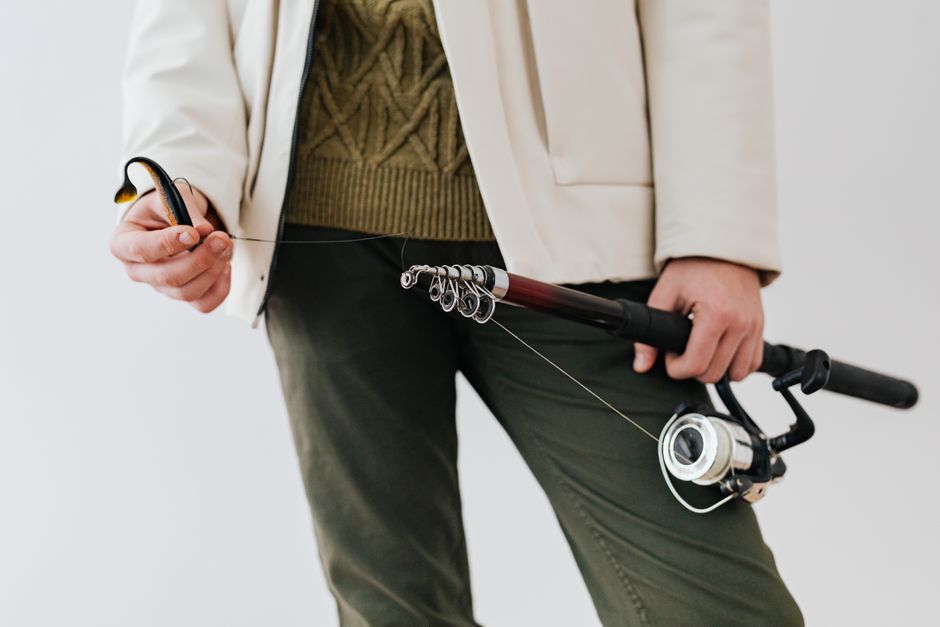
For years, Bluetooth-connected rods and app-synced reels were novelty items with price tags that scared off average anglers. That changed in 2024. Several major manufacturers released second-generation smart tackle at mid-range prices, and the performance improvements are real rather than gimmicky.
Modern smart rods now track casting distance, lure speed, water temperature, and hook-set timing, then log everything to a phone app. The data helps you identify patterns you would otherwise miss, especially on unfamiliar lakes. Battery life has also improved to the point where a single charge lasts a full weekend of fishing.
If you dismissed smart tackle before, it is worth a second look. Start with a mid-priced smart reel rather than a full rod-and-reel combo, and you can test the technology without a huge investment.
2. Sustainable Materials Are Reshaping Lure Manufacturing
Eco-conscious manufacturing is no longer a niche trend. Biodegradable soft plastics made from plant-based polymers are now widely available, and they perform far better than the early versions that tore apart after a few casts. Major brands have committed to reducing lead in their product lines as well.
Recycled tungsten weights, non-toxic jig heads, and biodegradable line are appearing in mainstream catalogs. Some companies now offer mail-back recycling programs for worn-out soft baits, which keeps plastic out of lakes and landfills.
This shift benefits anglers directly. Softer, more durable eco-plastics often have better action in the water, and tungsten alternatives are denser than lead, giving you better feel on the bottom. Sustainability and performance are finally moving in the same direction.
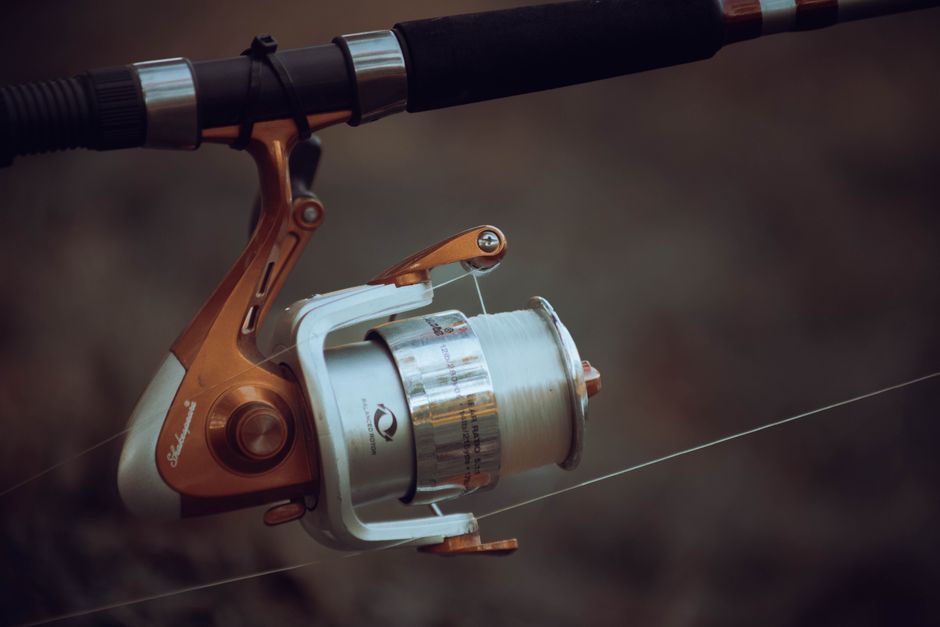
3. New Braided Lines Push Strength-to-Diameter Ratios
Line technology continues to advance faster than almost any other tackle category. The newest braids use tighter weave patterns and improved coatings, delivering higher breaking strength at thinner diameters. That means more line capacity on the spool and longer casts with lighter lures.
Several brands have also introduced color-changing braid that shifts hue based on light conditions, helping you track your line without losing stealth in clear water. Abrasion resistance has improved too, which matters for anglers fishing around rocks, docks, and timber.
When upgrading, check the actual diameter rather than just the pound-test rating. A thinner line with the same strength can transform how a reel performs, especially on finesse setups.
4. Fishing Kayaks Add Motor and Sonar Integration
Kayak fishing keeps growing, and manufacturers are responding with hulls designed around electronics from the start. New models include pre-wired transducer mounts, battery compartments, and mounting tracks that accept fish finders, rod holders, and cameras without drilling.
Pedal-drive and even small electric motor options are now common on mid-range kayaks. This expands the range you can cover in a day and makes trolling practical on larger bodies of water. Some models integrate live sonar directly into the hull for a cleaner setup.
If you fish from a kayak, look for a model with a modular accessory system. It future-proofs your investment and saves hours of DIY rigging.
5. Live Sonar Gets Cheaper and More Accessible
Forward-facing sonar changed how anglers find fish, but the first generation was expensive. Prices have dropped significantly, and compact units designed for smaller boats and kayaks are now on the market. The technology is becoming standard rather than premium.
Newer units offer better target separation and easier menus, which shortens the learning curve. Many include mapping and autochart features that build custom depth maps as you fish. Software updates have also improved how the units handle shallow, weedy water.
The key is to use live sonar as a tool, not a crutch. Pair what you see on screen with traditional reading of structure and seasonal patterns for the best results.
6. Direct-to-Consumer Tackle Brands Are Disrupting Pricing
A wave of direct-to-consumer tackle companies is cutting out middlemen and offering quality gear at lower prices. These brands often focus on a narrow category, such as jigs, hooks, or soft plastics, and compete on materials and manufacturing rather than marketing budgets.
For anglers, this means more choices and better value. It also means doing a bit more research, since you cannot always handle the product in a store first. Reading reviews and checking return policies is essential before committing to a new brand.
Established manufacturers have responded with their own value lines and more frequent sales. Either way, the competition is good news for your tackle box and your wallet.
7. Regulations and Conservation Rules You Should Track
Lead restrictions, bait bans, and seasonal closures continue to expand in many regions. Staying current is not just about avoiding fines; it is about protecting the fisheries we all rely on. Several states now require specific tackle in certain waters.
Many manufacturers publish compliance guides, and most fish and wildlife agencies offer email alerts. Signing up takes a minute and keeps you informed before your next trip. Some apps now integrate local regulations directly into your fishing log.
Check the rules for every new body of water you fish. Regulations change more often than most anglers realize, and a quick check can save you a costly surprise.
8. What These Updates Mean for Your Next Tackle Purchase
The common thread across these industry updates is that technology and sustainability are becoming affordable. You no longer need a premium budget to benefit from smart features, eco-friendly materials, or advanced sonar.
Prioritize upgrades that match how you actually fish. If you fish from shore, invest in line and lures before electronics. If you fish from a boat or kayak, sonar and rod upgrades may deliver more value.
Finally, buy from brands that stand behind their products and support conservation. The fishing tackle industry is changing quickly, and the anglers who stay informed get the most out of every trip.
Share your market, target species and estimated quantities — we reply with a sampling plan and a quotation.