 English
 简体中文
简体中文 Русский
 Español
 Deutsch
Storage Company Sustainability Initiatives Making Waves
Discover how storage companies are leading with sustainability initiatives—recycled materials, solar power, and circular programs. Learn practical tips to go green.

Why Sustainability Is Reshaping the Storage Industry
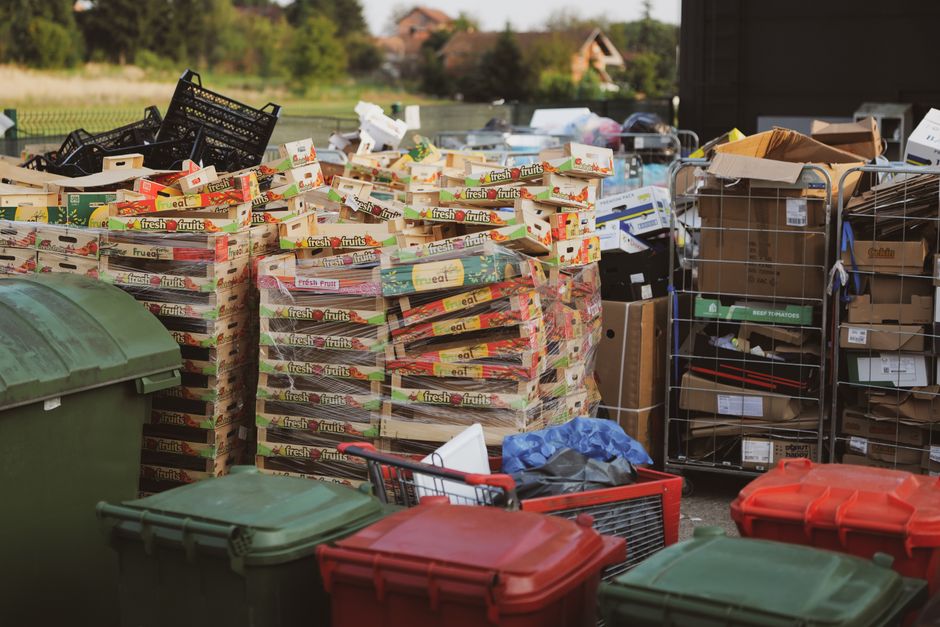
The storage and storage equipment sector has long been associated with heavy steel, sprawling warehouses, and energy-hungry operations. But a quiet revolution is underway. Across the globe, storage companies are rethinking everything from the materials they use to the way they power their facilities. These sustainability initiatives are not just good PR — they are becoming a competitive advantage, a compliance requirement, and a genuine driver of customer loyalty.
In this guide, we explore the most impactful sustainability initiatives making waves in the storage industry, from circular economy programs to renewable energy adoption. Whether you run a self-storage facility, manufacture shelving and racking, or supply warehouse equipment, understanding these trends will help you stay ahead of the curve.

The Business Case for Sustainable Storage
Sustainability in storage is no longer a niche concern. According to industry surveys, a growing majority of B2B buyers now factor environmental credentials into their purchasing decisions. For storage equipment manufacturers, this means that a racking system made from recycled steel or a shelving unit with a take-back guarantee can win contracts that a cheaper, less sustainable alternative would lose.
Beyond sales, there are hard financial benefits:
- Energy savings: LED lighting, smart climate control, and solar panels can cut operating costs by 20–40% in large storage facilities.
- Waste reduction: Modular and reusable storage equipment reduces one-time packaging waste and lowers disposal costs.
- Regulatory readiness: Stricter environmental regulations are coming. Companies that act early avoid costly retrofits later.
- Talent attraction: Employees increasingly want to work for organizations that take environmental responsibility seriously.
Key Sustainability Initiatives Making Waves
1. Circular Economy and Take-Back Programs
One of the most talked-about initiatives is the shift from a linear “buy-use-dispose” model to a circular one. Leading storage equipment companies now offer take-back programs where old shelving, pallet racks, and containers are collected, refurbished, and resold or recycled into new products.
For example, a warehouse upgrading its racking can return the old system to the manufacturer, which then reconditions the steel beams and uprights. This reduces the demand for virgin steel, cuts carbon emissions from manufacturing, and gives the customer a credit toward their new purchase. It is a win-win that is rapidly becoming an industry standard.
2. Recycled and Low-Carbon Materials
Steel is the backbone of storage equipment, and its production is carbon-intensive. Forward-thinking manufacturers are switching to electric arc furnace (EAF) steel, which can reduce emissions by up to 75% compared to traditional blast furnace production. Others are incorporating recycled content — some racking systems now use over 90% recycled steel.
Plastic storage bins and containers are also getting greener. Companies are using recycled polypropylene and offering closed-loop recycling, where worn-out bins are ground down and molded into new ones.
3. Renewable Energy in Storage Facilities
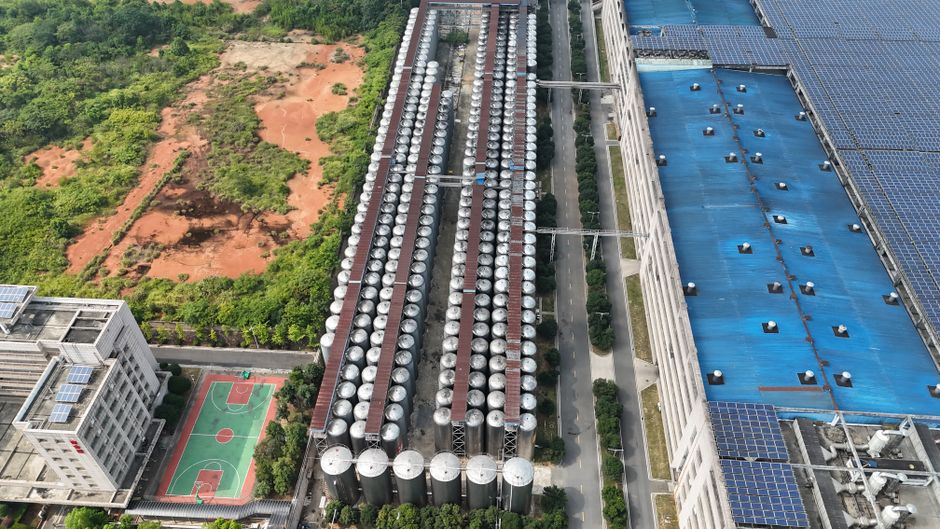
Self-storage facilities and distribution centers have vast, flat roofs — perfect for solar panels. Many storage companies are now installing rooftop solar arrays that generate enough electricity to power lighting, security systems, and climate control, with surplus energy fed back to the grid.
Others are signing power purchase agreements (PPAs) for wind and solar energy, or investing in battery storage to store excess renewable energy for peak demand. These moves not only shrink carbon footprints but also protect against volatile energy prices.
4. Smart Energy Management and IoT
Technology is a powerful ally. IoT sensors and smart building management systems monitor temperature, humidity, and occupancy in real time, adjusting HVAC and lighting only where and when needed. In a large self-storage facility, this can cut energy use by 30% or more.
Motion-sensor LED lighting in aisles, automated doors, and predictive maintenance for conveyor systems are other practical upgrades that reduce waste and energy consumption.
5. Sustainable Packaging and Reusable Containers
For storage companies serving e-commerce and logistics clients, packaging waste is a major issue. Reusable plastic crates and collapsible containers are replacing single-use cardboard and shrink wrap. These containers can be used hundreds of times and then recycled at end of life.
Some companies now offer a container-as-a-service model, where customers rent reusable bins instead of buying disposable ones. This shifts the responsibility for maintenance and recycling to the provider, ensuring a closed loop.
Practical Tips for Making Your Storage Operation Greener
You do not need a massive budget to start. Here are actionable steps any storage company can take:
- Conduct an energy audit. Identify the biggest energy drains in your facility — often lighting and HVAC — and target them first.
- Switch to LED lighting. The payback period is typically under two years, and savings continue for a decade or more.
- Install occupancy sensors. Lights and climate control should only run when people are present.
- Choose modular equipment. Adjustable shelving and racking can be reconfigured instead of replaced, extending product life.
- Partner with suppliers who offer take-back. Ask your equipment vendor about their end-of-life program before you buy.
- Measure and report. Track your carbon footprint and publish progress. Transparency builds trust with customers and investors.
- Train your team. Sustainability works best when everyone knows how to sort waste, report leaks, and use energy-saving settings.
Case Study: How One Storage Company Cut Emissions by 45%
Consider a mid-sized European self-storage operator that embarked on a sustainability overhaul in 2021. The company started with a full energy audit, then installed rooftop solar panels, LED lighting with motion sensors, and a smart HVAC system. It also switched to reusable moving crates and launched a take-back program for old shelving.
Within three years, the company reduced its energy consumption by 38% and its overall carbon emissions by 45%. Operating costs dropped by €120,000 annually, and customer satisfaction scores rose, with many new customers citing the company’s green credentials as a deciding factor. The initiative paid for itself in under four years.
Challenges and How to Overcome Them
Going green is not without hurdles. Upfront costs can be significant, especially for small operators. Supply chains for recycled materials may be limited. And measuring impact accurately requires data that many companies do not yet collect.
To overcome these challenges:
- Start with low-cost, high-impact wins like LED lighting and sensors.
- Explore government grants and tax incentives for renewable energy and energy efficiency.
- Collaborate with industry peers to aggregate demand for recycled materials and negotiate better prices.
- Use simple carbon accounting tools to track progress without hiring a full-time sustainability team.
The Future of Sustainable Storage
Looking ahead, expect to see more storage companies adopting science-based emissions targets, designing products for disassembly and recycling, and using digital twins to optimize energy use. Circular business models — renting equipment instead of selling it — will become more common. And as regulations tighten, sustainability will shift from a differentiator to a baseline requirement.
The companies making waves today are the ones that will lead the industry tomorrow. By embracing these initiatives now, storage businesses can cut costs, win customers, and contribute to a more sustainable future — all at the same time.
Conclusion
Sustainability in the storage industry is no longer optional. From circular take-back programs and recycled steel to solar-powered facilities and smart energy management, the initiatives making waves are practical, proven, and profitable. Whether you are a storage facility operator or an equipment manufacturer, the time to act is now. Start small, measure your impact, and build momentum. The rewards — financial, environmental, and reputational — are well worth the effort.