 English
 简体中文
简体中文 Русский
 Español
 Deutsch
Storage Industry Conference Highlights You Missed
Discover key storage industry conference highlights: AS/RS, sustainability, IoT, cold chain & more. Stay ahead in storage equipment trends. Read now!
1. Automated Storage and Retrieval Systems (AS/RS) Go Mainstream
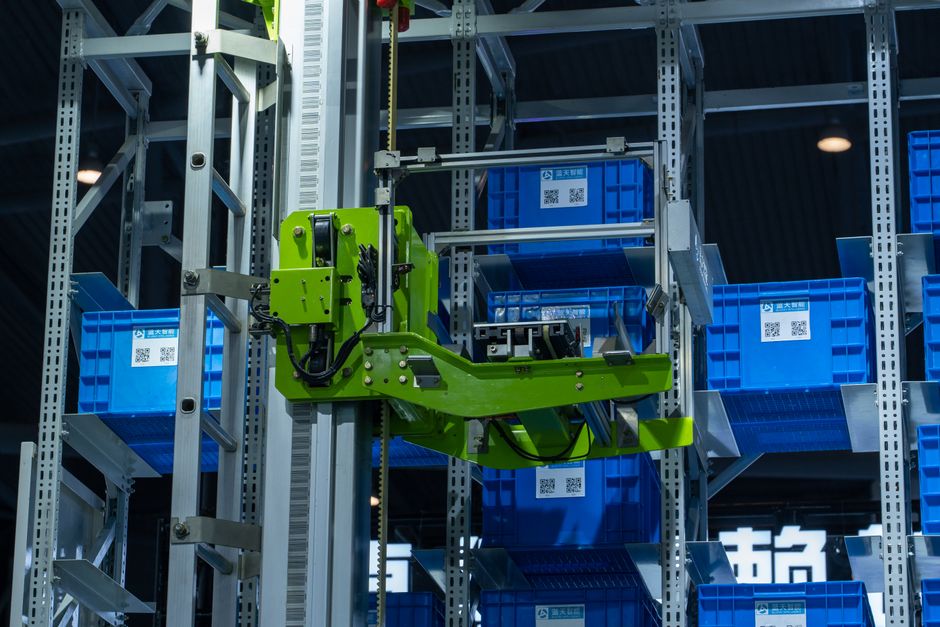
At this year's storage industry conference, automated storage and retrieval systems (AS/RS) were a dominant theme. Vendors showcased flexible, scalable AS/RS solutions that can be deployed in weeks rather than months, thanks to modular designs and plug-and-play components. The focus was on making automation accessible to small and mid-sized warehouses, not just large distribution centers.
Key innovations included AI-driven inventory optimization that dynamically adjusts storage locations based on demand patterns, and collaborative robots (cobots) that work alongside human pickers. Several case studies highlighted how AS/RS reduced labor costs by up to 40% and increased storage density by 30%.
For businesses considering automation, the message was clear: start with a pilot project to validate ROI, then scale. Many vendors now offer robotics-as-a-service (RaaS) models, lowering the barrier to entry.
2. Sustainable Storage Solutions Take Center Stage
Sustainability was a major focus, with exhibitors presenting eco-friendly storage equipment and practices. From recycled plastic bins to energy-efficient lighting and solar-powered conveyors, the industry is responding to pressure to reduce carbon footprints.
One standout was a new line of modular shelving made from recycled steel and bamboo, which offers comparable strength to traditional steel at a lower environmental cost. Another innovation: reusable packaging that integrates with IoT sensors to track usage and optimize return logistics.
Conference sessions emphasized that sustainability isn't just good for the planet—it also reduces long-term operating costs through energy savings and waste reduction. Retailers and manufacturers shared success stories of achieving zero-waste warehouses.

3. The Rise of Smart Storage with IoT and AI
IoT sensors and AI are transforming storage operations. At the conference, companies demonstrated smart shelves that automatically detect stock levels and trigger replenishment orders. AI-powered analytics predict demand fluctuations, helping warehouses optimize space utilization and reduce carrying costs.
Real-time visibility was a hot topic: new platforms integrate data from multiple sources (WMS, ERP, sensors) to provide a single pane of glass for inventory management. This enables dynamic slotting, where fast-moving items are automatically placed in accessible locations.
Attendees learned that smart storage isn't just about hardware—it's about data integration and change management. Successful implementations start with clear KPIs and cross-functional teams.
4. Cold Chain Storage Innovations for Perishables
With the growth of e-grocery and pharmaceuticals, cold chain storage drew significant attention. New refrigerated shelving and mobile racking systems allow for higher density in freezers, while maintaining strict temperature control.
Innovations include phase-change materials that maintain temperature during power outages, and IoT temperature loggers that provide end-to-end traceability. These are critical for compliance with food safety and pharmaceutical regulations.
Conference speakers highlighted the importance of energy efficiency in cold storage, as refrigeration consumes up to 60% of a facility's energy. Solutions like variable-speed drives and advanced insulation were showcased.
5. Modular and Flexible Storage Systems for Omnichannel
The shift to omnichannel retail demands flexible storage that can adapt to fluctuating inventory. Exhibitors introduced modular racking and shelving that can be reconfigured quickly without tools, accommodating changes in product mix and order profiles.
Mobile shelving and high-density drawer systems were popular for small parts storage, maximizing space in urban micro-fulfillment centers. These systems often integrate with goods-to-person robotics for efficient picking.
The takeaway: flexibility is key. Warehouses that can quickly reconfigure storage layouts gain a competitive edge in fast-changing markets.
6. Safety and Ergonomics in Storage Design
Worker safety remains a top priority. New standards and technologies were presented to reduce injuries related to lifting, reaching, and operating equipment. Ergonomic shelving with adjustable heights and anti-fatigue matting were on display.
Automated guided vehicles (AGVs) and drones for cycle counting reduce the need for workers to climb ladders or operate forklifts in tight spaces. Wearable exoskeletons were also showcased to assist with repetitive lifting.
Conference sessions stressed that safety should be designed into storage systems from the start, not added later. Proper training and regular audits are essential.
7. Keynote Insights: The Future of Storage
The keynote address focused on the future of storage, predicting that by 2030, most warehouses will be highly automated, with humans focusing on exception handling and continuous improvement. The speaker emphasized that companies must invest in digital skills and change management to succeed.
Another key insight: the line between storage and production is blurring. In advanced factories, automated storage systems feed production lines directly, reducing work-in-progress inventory.
Attendees left with a clear roadmap: assess current operations, identify pain points, and adopt a phased approach to technology adoption.
8. Networking and Collaboration Opportunities
Beyond the exhibits, the conference provided invaluable networking opportunities. Roundtable discussions allowed peers to share challenges and solutions. Many attendees reported that informal conversations led to new partnerships and ideas.
For those who missed the event, many sessions are available on-demand. It's worth reviewing the presentations to catch up on trends and connect with vendors who can help implement solutions.
In conclusion, the storage industry is evolving rapidly, driven by automation, sustainability, and digitalization. Staying informed through conferences and industry publications is essential for anyone involved in storage and storage equipment.