 English
 简体中文
简体中文 Русский
 Español
 Deutsch
Storage Equipment Export News & Market Updates 2025
Latest storage equipment export news and market updates for 2025. Learn global trends, tariffs, freight tips, and sourcing strategies. Read the full guide now!
Why Storage Equipment Export News Matters in 2025
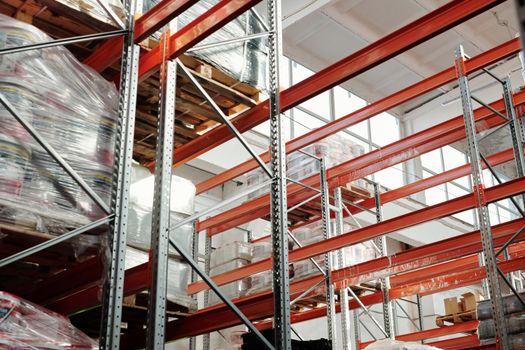
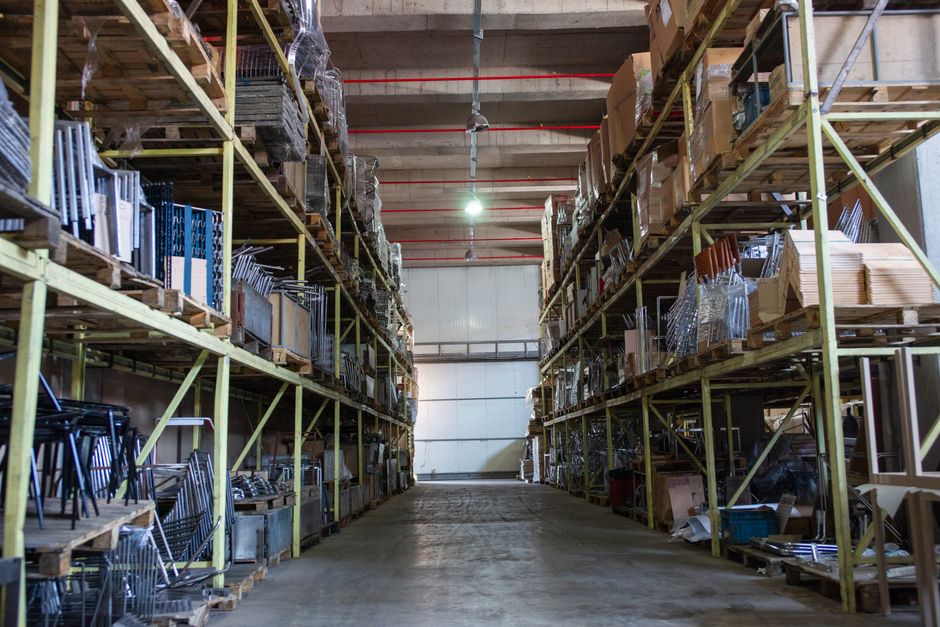
The global storage equipment market is moving faster than at any point in the last decade. Warehouses are being built at record pace, e-commerce fulfillment centers are expanding into secondary cities, and manufacturers are automating racking systems to cope with labor shortages. For importers, distributors, and procurement managers, staying current with storage equipment export news and market updates is no longer a nice-to-have—it is a competitive necessity.
This guide breaks down the latest export trends, regional demand shifts, tariff and logistics developments, and practical sourcing strategies for anyone buying or selling industrial shelving, pallet racks, mezzanine floors, wire containers, and material handling accessories.
Global Storage Equipment Export Market Overview
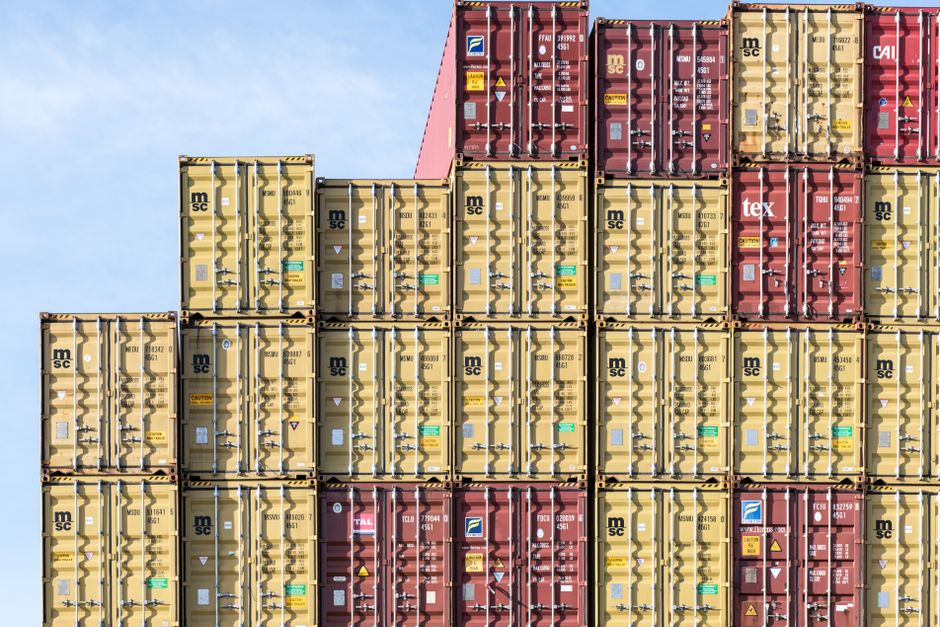
According to recent trade data, the worldwide market for storage and warehouse equipment is projected to grow at a compound annual growth rate of roughly 6–8% through 2028. Asia remains the dominant export hub, led by China, Vietnam, and India, while North America and Europe continue to be the largest import destinations.
| Region | Export Role | Key Products | 2025 Trend |
|---|---|---|---|
| China | Largest exporter | Pallet racks, shelving, wire containers | Stable volume, rising automation |
| Vietnam | Fast-growing exporter | Steel shelving, light racks | Tariff-driven relocation |
| Germany | High-value exporter | Automated AS/RS, mezzanines | Strong engineering premium |
| United States | Net importer | Boltless shelving, rack accessories | Reshoring of assembly |
| Middle East | Net importer | Heavy-duty racks, cold storage | Logistics hub investment |
What stands out in 2025 is the shift from pure volume growth to value-added growth. Buyers increasingly request customized dimensions, powder-coated finishes, seismic-rated designs, and integrated safety accessories—pushing exporters to compete on engineering rather than price alone.

Key Export News and Market Updates
1. Tariff and Trade Policy Changes
Several importing countries have adjusted duties on steel storage products. Anti-dumping investigations into certain racking components have affected pricing in North America and the EU. Exporters are responding by:
- Diversifying production across multiple countries
- Providing detailed certificates of origin
- Offering FOB and DDP terms to reduce buyer risk
For importers, the practical takeaway is to confirm HS codes early and request landed-cost quotes rather than ex-works prices.
2. Freight Rates and Shipping Capacity
Container freight rates on Asia–Europe and Asia–North America routes have shown volatility. Storage equipment is bulky and heavy, so freight can represent 15–30% of total landed cost. Smart buyers now:
- Consolidate mixed SKUs into full container loads
- Book space 4–6 weeks ahead during peak season
- Consider knock-down (KD) designs to increase container utilization
3. Raw Material Price Movements
Steel coil prices directly influence racking quotes. When prices rise, exporters typically honor quotations for only 15–30 days. Lock in pricing with a signed PI (proforma invoice) and a clear validity period.
4. Automation and Smart Storage
Export demand for automated storage and retrieval systems (AS/RS), shuttle racks, and radio-shuttle systems is climbing. These are higher-margin products, and exporters with in-house software integration are winning larger contracts.
Regional Demand Highlights
North America
Demand is driven by e-commerce fulfillment, third-party logistics (3PL) expansion, and cold-chain investment. Buyers prioritize RMI-certified racking and quick lead times.
Europe
EN 15512 compliance and sustainability documentation are increasingly required. Recycled steel content and repairable designs are becoming selling points.
Southeast Asia
Rapid warehouse construction in Vietnam, Indonesia, and Thailand is fueling demand for boltless shelving and light-duty racks.
Middle East and Africa
Port and free-zone developments are creating steady demand for heavy-duty pallet racks and outdoor storage solutions.
Practical Tips for Importers and Distributors
- Verify certifications: Ask for ISO 9001, CE, RMI, and load test reports.
- Request 3D layouts: Good exporters provide CAD drawings and load calculations.
- Test samples first: Order a small batch before committing to container volumes.
- Clarify packaging: Steel edges need protection; specify fumigated or heat-treated wood where required.
- Plan spare parts: Order extra beams, clips, and safety locks with the main shipment.
- Check warranty terms: Confirm coverage for coating, welds, and structural components.
How Exporters Can Stay Competitive
On the supply side, successful storage equipment exporters are investing in:
- Automated roll-forming and powder-coating lines
- In-house R&D for seismic and high-load designs
- Multilingual sales and after-sales support
- Digital catalogs with downloadable spec sheets
- Warehouse hubs near major ports to shorten lead times
Those that combine competitive pricing with reliable engineering documentation are capturing repeat business from distributors and OEM partners.
Looking Ahead: What to Watch
Over the next 12–24 months, expect continued growth in automated storage, stricter safety regulations, and more regionalized supply chains. Sustainability will also move from marketing language to procurement requirement, with buyers asking for carbon footprint data and recyclable packaging.
For anyone in the storage equipment trade, the message is clear: monitor export news closely, diversify suppliers, and invest in products that solve real warehouse problems. Companies that treat market intelligence as part of their sourcing strategy will be the ones that grow—regardless of freight cycles or tariff headlines.
Final Thoughts
Storage equipment export news and market updates are more than headlines. They shape pricing, lead times, compliance, and ultimately your bottom line. By understanding regional demand, tracking policy changes, and applying practical sourcing tips, importers and exporters can navigate 2025 with confidence and capture new opportunities in a rapidly evolving global market.