 English
 简体中文
简体中文 Русский
 Español
 Deutsch
Storage Equipment Innovations Changing the Industry
Discover the latest storage equipment innovations—AS/RS, smart shelving, shuttle racking—and how they cut costs and boost efficiency. Learn more today!
Introduction: Why Storage Equipment Is Evolving Faster Than Ever
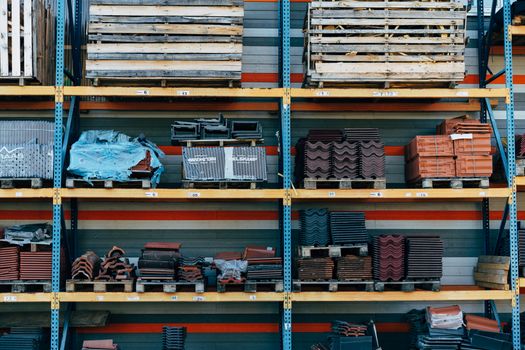
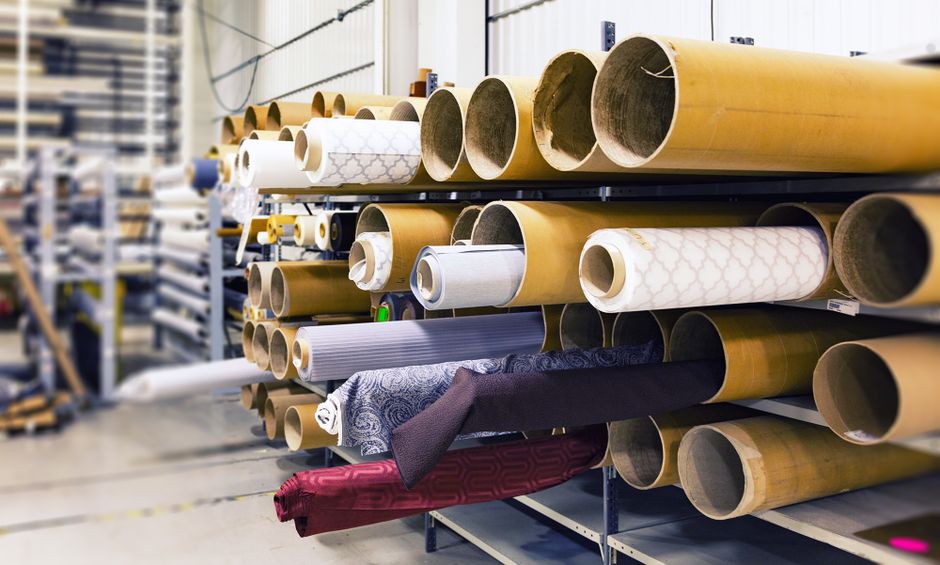
Storage equipment is no longer just about shelving and pallets. Driven by e-commerce growth, labor shortages, urban real estate pressure, and the push for sustainability, the storage industry is undergoing a quiet but profound transformation. From AI-powered retrieval systems to modular racking that adapts to changing inventory, today's storage solutions are smarter, safer, and more space-efficient than anything available a decade ago. This guide explores the key innovations changing the industry, practical tips for adopting them, and what to expect next.
The Forces Driving Storage Equipment Innovation
Before diving into specific technologies, it helps to understand the pressures reshaping the market:
- E-commerce and rapid fulfillment: Consumers expect same-day or next-day delivery, forcing warehouses to move faster with less space.
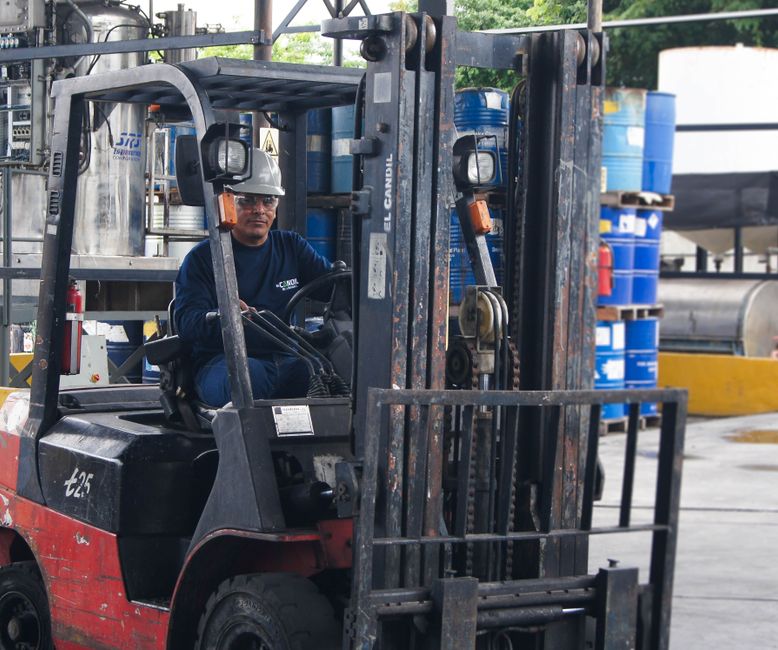
- Labor scarcity: Finding and retaining warehouse staff is harder, making automation and ergonomic design critical.
- Real estate costs: Urban warehouses are expensive, so vertical storage and high-density systems are essential.
- Sustainability mandates: Companies face pressure to reduce waste, energy use, and carbon footprint.
- Data-driven operations: IoT sensors and analytics now inform how storage is configured and used.
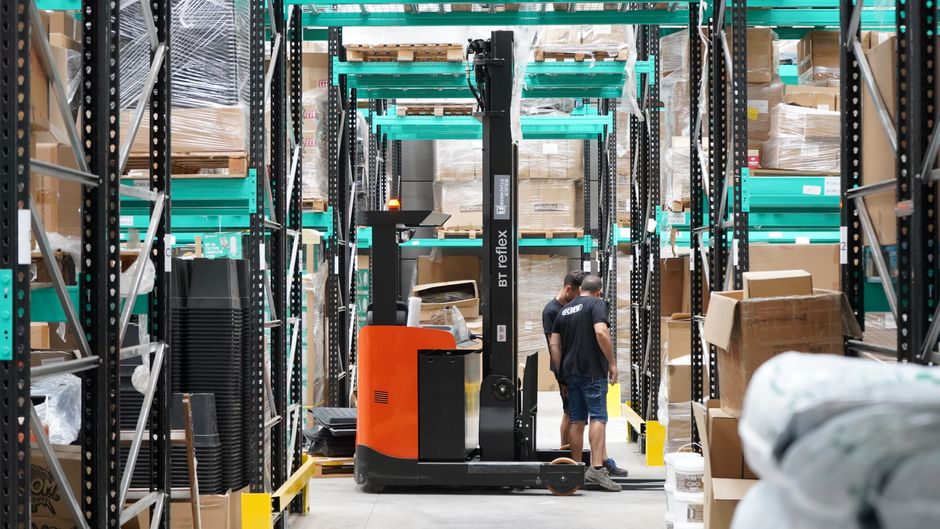
1. Automated Storage and Retrieval Systems (AS/RS)
Automated Storage and Retrieval Systems use robotic shuttles, cranes, and lifts to move goods in and out of storage without human intervention. Modern AS/RS units can operate in narrow aisles, reach heights of 20+ meters, and retrieve items in seconds.
Key Benefits
- Up to 85% reduction in labor costs for picking and put-away
- Higher storage density by eliminating wide aisles
- Improved accuracy and reduced product damage
- 24/7 operation without shift changes
Practical Tip
Start with a hybrid approach: automate your fastest-moving SKUs first, then expand as ROI becomes clear. Full automation is not always necessary for every category.
2. Shuttle-Based and High-Density Racking
Shuttle systems use motorized carts that travel inside racking channels to move pallets. They combine the density of drive-in racking with the speed of automation.
| System Type | Density | Best For |
|---|---|---|
| Selective Racking | Low | High SKU variety, easy access |
| Drive-In Racking | High | Few SKUs, bulk storage |
| Shuttle Racking | Very High | Medium SKUs, fast throughput |
| Push-Back Racking | Medium-High | LIFO inventory, moderate SKUs |
Shuttle systems are particularly valuable for cold storage, where every cubic meter is expensive and human access is limited.
3. Mobile Shelving and Compact Storage
Mobile shelving systems mount racks on rails so they can be moved to create a single access aisle. This can double or triple storage capacity in the same footprint.
Where It Works Best
- Archives and document storage
- Medical and pharmaceutical supplies
- Retail backrooms with limited space
- Museums and art storage
Modern mobile systems use electric motors, safety sensors, and even app-based controls, making them far more user-friendly than older mechanical versions.
4. Smart Shelving with IoT Sensors
IoT-enabled shelving embeds weight sensors, RFID readers, and cameras to track inventory in real time. This eliminates manual cycle counts and reduces stockouts.
Real-World Applications
- Pick-to-light systems that guide workers to the right bin
- Automatic reorder triggers when stock hits thresholds
- Temperature and humidity monitoring for sensitive goods
- Predictive maintenance alerts for racking and lifts
Combined with warehouse management software (WMS), smart shelving creates a self-aware storage environment.
5. Modular and Adjustable Racking Systems
Fixed racking is being replaced by modular systems that can be reconfigured as product lines change. Key features include:
- Boltless and clip-in beam adjustments
- Interchangeable uprights and beams
- Integrated wire decks, solid decks, or roller beds
- Compatibility with automated shuttles and AGVs
Modularity reduces downtime during reconfiguration and extends the life of your investment.
6. Sustainable Materials and Circular Design
Sustainability is now a core design criterion, not an afterthought.
- Recycled steel and aluminum: Many racking manufacturers now use 70-90% recycled content.
- Powder coating instead of paint: Reduces VOC emissions.
- Modular take-back programs: Racks can be returned, refurbished, and resold.
- Energy-efficient motors: Modern AS/RS and mobile shelving use regenerative braking.
Practical Tip
Ask suppliers for Environmental Product Declarations (EPDs) and check whether components are recyclable at end of life.
7. Vertical Lift Modules (VLMs) and Vertical Carousels
VLMs are enclosed towers that store items in trays and deliver them to an ergonomic access window. They are ideal for small parts, tools, and spare components.
| Feature | Vertical Lift Module | Vertical Carousel |
|---|---|---|
| Storage principle | Trays move vertically | Bins rotate on a track |
| Best for | High-density small parts | Uniform items |
| Footprint | Very small | Small |
| Throughput | High | Medium |
These systems reduce walking time by up to 70% and improve ergonomics by bringing goods to the operator.
8. Robotics and AGVs in Storage
Autonomous mobile robots (AMRs) and automated guided vehicles (AGVs) now move shelves, pallets, and bins across the warehouse floor. Goods-to-person systems eliminate the need for workers to walk aisles.
Benefits
- Faster picking and put-away
- Scalable: add robots as volume grows
- Improved safety by reducing forklift traffic
- Integration with AS/RS and smart shelving
9. Digital Twins and Simulation
A digital twin is a virtual replica of your storage facility. It lets you test layouts, simulate peak demand, and optimize slotting before making physical changes.
- Identify bottlenecks in real time
- Test new racking configurations virtually
- Train staff in a risk-free environment
- Reduce capital expenditure on trial-and-error
10. Ergonomic and Safety Innovations
Worker safety remains a top priority. New storage equipment includes:
- Anti-collision sensors on forklifts and shuttles
- Load monitoring to prevent rack overloading
- Seismic-rated racking for earthquake zones
- Height-adjustable workstations and lift tables
- LED lighting integrated into racking for better visibility
How to Choose the Right Storage Innovation for Your Business
Not every business needs full automation. Use this checklist to prioritize:
- What is your SKU count and turnover rate?
- How much floor space can you realistically free up?
- What is your labor cost per hour?
- Do you need temperature control or special handling?
- What is your budget and payback period target?
- Can your WMS integrate with new hardware?
Phased Adoption Approach
Start with low-risk, high-impact upgrades such as mobile shelving or pick-to-light. Then move to shuttle racking or VLMs. Finally, consider full AS/RS and robotics as volume justifies the investment.
The Future of Storage Equipment
Looking ahead, expect to see:
- AI-driven slotting that optimizes storage in real time
- Self-healing racking with embedded sensors
- Fully lights-out warehouses for select operations
- Greater use of recycled and bio-based materials
- Subscription-based storage equipment models
The industry is moving toward storage that is not just a cost center but a strategic asset—flexible, data-rich, and sustainable.
Conclusion
Storage equipment innovations are reshaping how businesses use space, labor, and data. From AS/RS and shuttle racking to IoT shelving and digital twins, the tools are available today to make storage faster, safer, and more sustainable. The key is to adopt them strategically, matching each innovation to your specific operational needs and growth plans. Companies that embrace these changes will be better positioned to compete in an increasingly demanding market.