1. Why Bingo Machines Belong in the Modern Classroom
Bingo machines have evolved far beyond the smoky halls of traditional bingo parlors. In today's schools, a well-chosen bingo machine can transform a routine lesson into an interactive, high-energy learning experience. Teachers use bingo for vocabulary drills, math facts, science terminology, and even foreign language practice. The element of chance keeps students engaged, while the repetitive exposure to content reinforces memory retention.
When selecting a bingo machine for a classroom, the priorities are different from those of a commercial bingo hall. You need portability, quiet operation, clear visuals, and durable construction that can survive daily handling by dozens of students. The best classroom bingo machines also offer flexibility, allowing teachers to create custom cards and call lists that match their curriculum.
This guide covers the ten best bingo machine options for schools and classrooms, ranging from budget-friendly manual cages to advanced electronic systems with digital displays. Each entry includes key features, ideal use cases, and practical tips for getting the most out of your investment.
2. The Classic Manual Cage Machine
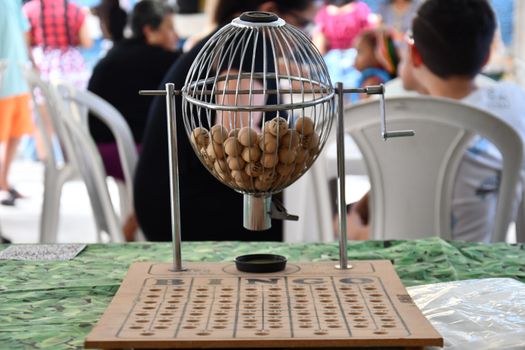
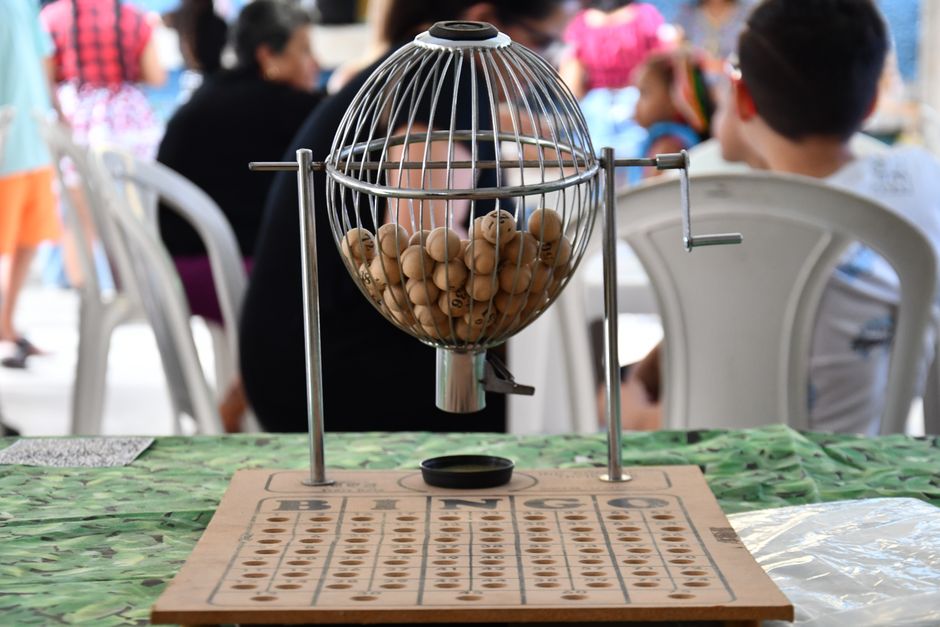
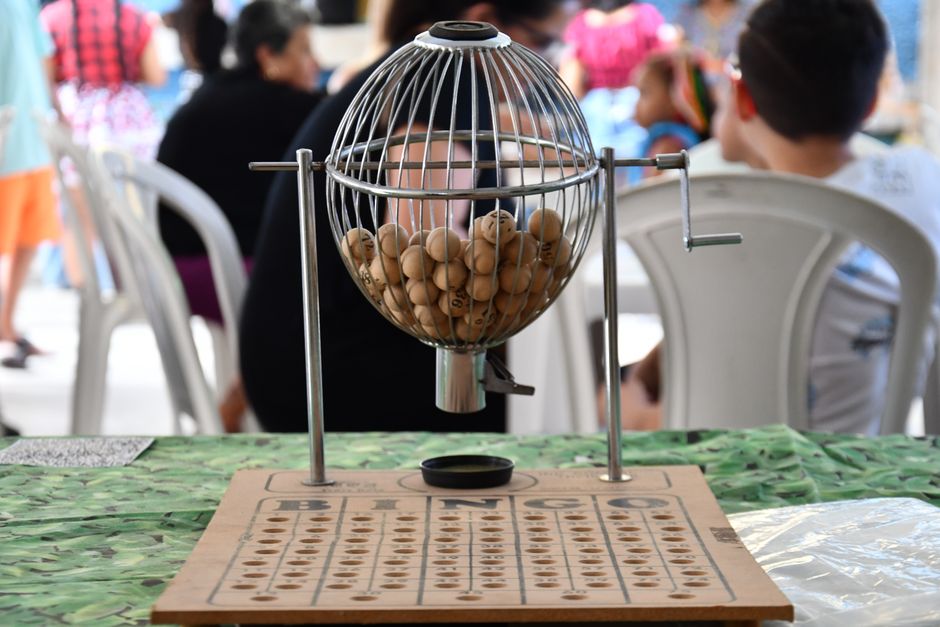
The manual cage machine remains a staple in classrooms because it requires no electricity, never crashes, and gives students a hands-on connection to the game. A typical model features a wire cage that rotates by hand, dispensing balls into a tray. Many classroom versions are smaller than their commercial counterparts, making them easy to store in a cabinet or closet.
For teachers on a tight budget, a manual cage is the most cost-effective entry point. It works well for small groups and centers, and students often enjoy taking turns spinning the cage. Look for models with a smooth crank mechanism and a locking tray so balls do not spill during enthusiastic turns.
The main drawback is speed. Calling numbers manually takes longer, which can be a problem with large classes. However, this slower pace can actually benefit younger learners who need more processing time. Pair a manual cage with a wall chart or whiteboard to track called numbers.
3. Electronic Random Number Generator Machines
Electronic bingo machines use a random number generator (RNG) to select numbers instantly. These devices typically feature a digital display, a speaker for voice announcements, and buttons for controlling the pace of the game. They are ideal for classrooms with 20 or more students, where speed and fairness are paramount.
Modern electronic units often include adjustable speed settings, auto-daub verification, and the ability to pause the game. Some models connect to a projector or interactive whiteboard, displaying called numbers in large, easy-to-read fonts. This is particularly useful for students with visual impairments or those sitting at the back of the room.
When shopping for an electronic machine, check the warranty and the availability of replacement parts. Classroom devices take a beating, so a durable build and responsive customer support are worth the extra cost. Also verify that the volume can be adjusted or muted, since loud beeps can disrupt neighboring classrooms.
4. Digital Bingo Software and Apps
If your classroom has tablets, laptops, or a smartboard, digital bingo software may be the most versatile option. These platforms let you generate unlimited bingo cards, customize the word or number pool, and run the game entirely on screen. Many apps include built-in templates for math, sight words, science vocabulary, and seasonal themes.
Digital bingo is especially powerful for remote or hybrid learning. Students can join from home using a link, and the teacher controls the call list from a single dashboard. Some platforms even track which students have won, reducing disputes and saving time.
The downside is dependence on technology. A dropped Wi-Fi connection or a dead battery can derail a lesson. Always have a low-tech backup, such as printed cards and a manual caller, in case of technical difficulties. Free versions of digital bingo apps often include ads, so consider a paid subscription for ad-free classroom use.
5. Projector-Based Bingo Systems
A projector-based bingo system combines the best of electronic and visual learning. The machine or software generates numbers, and the projector displays them on a large screen or whiteboard for the entire class to see. This eliminates the need for each student to have a personal device and ensures everyone is looking at the same information.
These systems are excellent for whole-class instruction. Teachers can highlight called numbers, show definitions alongside vocabulary words, and even display a running tally of winners. Many projector systems include customizable templates, so you can create a bingo game around any subject in minutes.
Setup is usually straightforward: connect a laptop or dedicated console to the projector, launch the software, and start calling. For permanent classroom installations, consider a ceiling-mounted projector with a dedicated bingo console. For mobile teachers, a portable pico projector paired with a tablet works well.
6. Bingo Machines with Voice Announcement
Voice announcement is a game-changer for classroom bingo, especially for younger students and English language learners. Instead of reading numbers off a screen, the machine speaks each call aloud in a clear, friendly voice. This supports auditory learners and reduces the teacher's workload.
Many voice-enabled machines offer multiple language options, making them ideal for bilingual classrooms or world language classes. Some models allow you to record custom calls, so you can use subject-specific vocabulary instead of numbers. Imagine a bingo game where the machine calls out "photosynthesis" or "quadratic equation" instead of B-12.
When evaluating voice announcement features, listen for clarity and volume range. A machine that is too quiet will be useless in a noisy classroom, while one that is too loud can be distracting. Adjustable volume and a headphone jack are valuable features for flexible use.
7. Durable Machines for High-Traffic Schools
In a school setting, a bingo machine may be used by multiple classes every day. Durability is therefore a top priority. Look for machines with reinforced cages, shatter-resistant displays, and non-slip bases. Metal components generally outlast plastic ones, especially in the crank and ball-release mechanisms.
Consider how the machine will be stored and transported. A carrying handle or a compact footprint makes it easier to move between classrooms. If the machine will be shared across grade levels, a locking storage case can prevent damage and lost balls.
Warranty and repair options matter. A machine that costs slightly more but comes with a two-year warranty and readily available replacement balls may be cheaper in the long run than a bargain model that breaks after a month. Check user reviews for reports of common failure points.
8. Budget-Friendly Options Under $100
Not every school has a large budget for classroom games. Fortunately, there are several reliable bingo machines available for under $100. Manual cage machines and basic electronic callers fall into this range, and they are perfectly adequate for small groups and occasional use.
At this price point, expect fewer features: no voice announcement, limited customization, and simpler construction. However, a basic machine can still deliver hours of engaging practice. Many teachers pair an inexpensive caller with free printable bingo cards to keep costs low.
Before buying, read the specifications carefully. Some budget machines use small balls that are easy to lose, while others have flimsy cranks. Look for models with positive reviews from educators and a return policy in case the machine does not meet your needs.
9. Premium Machines for Large Classrooms and Events
For schools that host family bingo nights, fundraisers, or large assemblies, a premium bingo machine is a worthwhile investment. These units often feature large illuminated displays, professional-grade voice announcement, and the capacity to run multiple games simultaneously.
Premium machines may include remote controls, wireless microphones, and software that integrates with school databases for custom card generation. They are built to handle hundreds of players and hours of continuous use. While the price tag can exceed several hundred dollars, the durability and feature set justify the cost for frequent large-scale events.
When choosing a premium machine, consider the venue. A machine with a bright display works well in a gymnasium, while a more compact unit is better for a classroom. Check whether the machine requires special power or setup, and train staff on its operation before the event.
10. Matching the Machine to Your Teaching Goals
The best bingo machine for your classroom depends on your specific goals. If you want quick vocabulary reviews, a digital app or electronic caller is ideal. If you want students to practice turn-taking and fine motor skills, a manual cage is better. If you need whole-class engagement with minimal setup, a projector-based system wins.
Consider class size, available technology, storage space, and budget. A small reading intervention group may thrive with a simple manual machine, while a middle school math class of 30 students will benefit from an electronic system with a large display. Do not overlook the value of student choice: letting students spin the cage or press the button increases buy-in.
Finally, think about longevity. A machine that can be adapted across subjects and grade levels will provide the best return on investment. Look for models that support custom cards, multiple game modes, and easy content updates. With the right bingo machine, you can turn review sessions into a highlight of the school day.