1. Why Small Businesses Need the Right Bingo Machine
Bingo is no longer just a pastime for large halls and charity events. Small businesses such as pubs, cafes, community centers, and family entertainment venues are increasingly using bingo nights to draw in crowds and boost revenue. But choosing the wrong machine can lead to frustration, technical issues, and wasted money. The right bingo machine should be easy to operate, reliable, and suited to your specific audience size and budget.
In 2024, the market offers a wide range of options, from simple manual ball blowers to advanced digital systems with touchscreens and live streaming capabilities. For a small business, the key is finding a balance between functionality and affordability. You don't need a stadium-sized system, but you do need something that won't break down during a busy Friday night.
This article rounds up the 10 best bingo machines for small businesses in 2024, covering different price points and use cases. Whether you're running a weekly pub quiz with a bingo twist or a dedicated bingo room, there's a machine on this list for you.
2. Top 10 Bingo Machines for Small Businesses in 2024
1. The Classic Manual Ball Blower – Budget-Friendly and Reliable
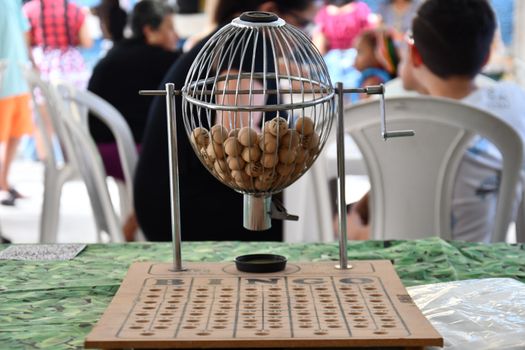
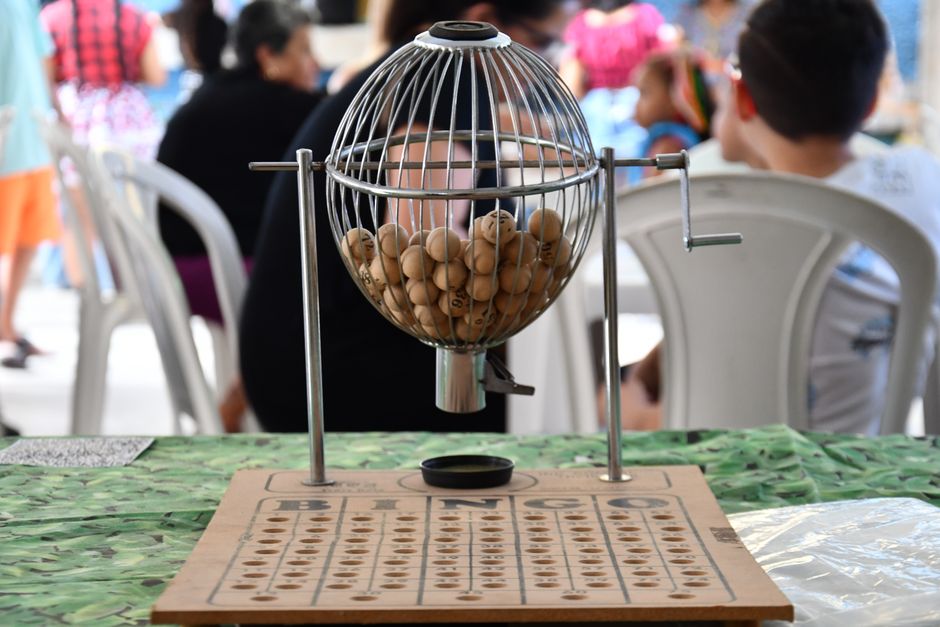
For small businesses just starting out, a manual ball blower is often the best first purchase. These machines use a hand-cranked or electric fan to mix numbered balls, and the operator draws them one by one. They require no software, no internet, and minimal maintenance. Prices typically range from $150 to $400, making them accessible for tight budgets.
The main advantage is simplicity. Anyone can learn to operate one in minutes, and there's no risk of a system crash. However, manual blowers are slower and require a caller to announce numbers, which can be a downside for larger crowds. Still, for a cozy pub with 20–50 players, they work perfectly.
2. Electronic Random Number Generator (RNG) Machines – Speed and Fairness
Electronic RNG machines are a step up from manual blowers. They use a certified random number generator to select balls, displaying them on a digital screen. These machines are faster, reduce human error, and can handle larger groups. Many models come with built-in speakers and a microphone input for the caller.
For small businesses, RNG machines offer a professional feel without the complexity of a full computer system. They usually cost between $500 and $1,200. Look for models with a visible ball display and an audit trail to ensure fairness. Brands like Bingo King and Arrow International offer reliable entry-level options.
3. Tablet-Based Bingo Systems – Portable and App-Driven
Tablet-based systems are ideal for businesses that want flexibility. Players use their own smartphones or provided tablets to view called numbers, while the operator uses a master tablet to run the game. These systems often include automatic card validation and real-time winner verification.
The biggest benefit is portability. You can run a bingo night in a different area of your venue each week without moving heavy equipment. Costs vary: some apps are subscription-based (around $20–$50 per month), while others require a one-time license fee. Just ensure your venue has reliable Wi-Fi, as connectivity issues can disrupt the game.
4. Projector-Based Bingo Displays – Big Screen Excitement
If your venue has a large wall or screen, a projector-based bingo display can create a big-event atmosphere. The system projects the called numbers onto a screen, and players mark their cards manually or digitally. This is great for pubs with a stage or community halls with high ceilings.
Projector systems typically cost $800–$2,000, including software. They work well for crowds of 50–200 people. However, you'll need a darkened room for best visibility, and the projector bulb may need occasional replacement. For small businesses that want a wow factor without a huge investment, this is a strong choice.
5. All-in-One Bingo Console – The Complete Package
An all-in-one console combines a ball blower, digital display, microphone, and speaker into a single unit. These are designed for small to medium venues and are often used in dedicated bingo halls. They are more expensive, usually $2,000–$5,000, but they save space and reduce setup time.
Look for consoles with a built-in printer for receipts or winner verification. Some models also include a cash drawer and card sales tracking. For a small business that runs bingo several times a week, an all-in-one console can be a worthwhile investment that pays for itself through increased attendance.
6. Wireless Bingo Buzzers and Handsets – Engage Your Players
Wireless buzzers allow players to signal a win without shouting across the room. Each player or team gets a handset, and when they press the button, the operator's console lights up with their number. This is especially useful in noisy environments like bars.
These systems are often sold as add-ons to existing bingo machines, but some standalone kits are available for $300–$800. They improve game flow and reduce disputes over who called bingo first. For small businesses, they add a professional touch that players appreciate.
7. Custom Card Printing and Validation Machines – Streamline Operations
If you sell disposable bingo cards, a card printing and validation machine can save hours of manual work. These machines print unique cards on demand and can validate winners by scanning the card. They are particularly useful for fundraisers and large events where card security is a concern.
Prices start around $1,000 for basic models and go up to $3,000 for high-volume printers. For a small business, this is only worth it if you run frequent games with many players. Otherwise, pre-printed cards from a supplier are more cost-effective.
8. Online Bingo Software for Hybrid Events – Reach Remote Players
Hybrid bingo events combine in-person and online players. Software like Bingo Maker or MyFreeBingoCards lets you stream called numbers to remote participants while local players use physical cards. This expands your reach and can increase revenue through virtual ticket sales.
Most online bingo software is subscription-based, costing $30–$100 per month. You'll need a stable internet connection and a way to display the numbers to both audiences. For small businesses with a strong social media following, hybrid events can be a game-changer.
9. Portable Bingo Kits for Pop-Up Events – Flexibility on a Budget
Portable bingo kits include a small manual blower, a set of balls, a master board, and a stack of cards, all in a carrying case. They are perfect for pop-up events, farmers markets, or mobile entertainment businesses. Prices range from $80 to $250.
While not as sophisticated as electronic systems, these kits are durable and easy to transport. They are a great entry point for small businesses that want to test the waters before investing in a larger machine. Just make sure the balls are numbered clearly and the master board is large enough for players to see.
10. Refurbished Commercial Bingo Machines – High-End for Less
Refurbished commercial bingo machines from brands like Bingo Master or Electro-Matic offer professional-grade performance at a fraction of the original price. A refurbished unit might cost $1,500–$4,000, compared to $8,000+ new. They come with a warranty and have been tested for reliability.
This is a smart option for small businesses that want top-tier features—such as automatic ball retrieval, multiple game modes, and integrated sound—without the hefty price tag. Just buy from a reputable dealer and ask about the warranty and return policy.
3. How to Choose the Right Bingo Machine for Your Business
Before you buy, consider your audience size, budget, and the frequency of your bingo events. A manual blower is fine for occasional games with 30 people, but if you're running weekly events for 100+ players, invest in an electronic or console system. Also think about space: do you have room for a permanent setup, or do you need something portable?
Don't forget about maintenance and support. Electronic machines require software updates and occasional repairs. Choose a brand with good customer service and readily available parts. Finally, read reviews and, if possible, test the machine before purchasing. Many suppliers offer demo units or trial periods.
4. Final Thoughts: Invest Wisely for Long-Term Success
The best bingo machine for your small business is the one that fits your specific needs and budget. In 2024, you have more options than ever, from budget-friendly manual blowers to advanced hybrid systems. Start with a clear idea of how you'll use the machine, then choose accordingly. With the right equipment, your bingo nights can become a reliable source of revenue and community engagement.