

Introduction: Why the Right Bingo Machine Matters for Your Hall
Running a successful bingo hall is about more than just calling numbers. The bingo machine you choose sits at the heart of every session, influencing game speed, fairness, player trust, and even your bottom line. A poorly chosen machine can frustrate players, slow down games, and create doubt about fairness. The right one, however, can increase attendance, boost revenue, and make your hall the go-to venue in town.
This guide walks you through every factor you need to consider when selecting a bingo machine for a commercial bingo hall. From ball-based blowers to digital RNG systems, we cover the pros and cons, key features, budgeting, and maintenance so you can make a confident, informed decision.
Types of Bingo Machines: Ball Blowers vs. Electronic RNG
The first major decision is the type of machine. There are two broad categories, each with distinct advantages.
Traditional Ball Blower Machines
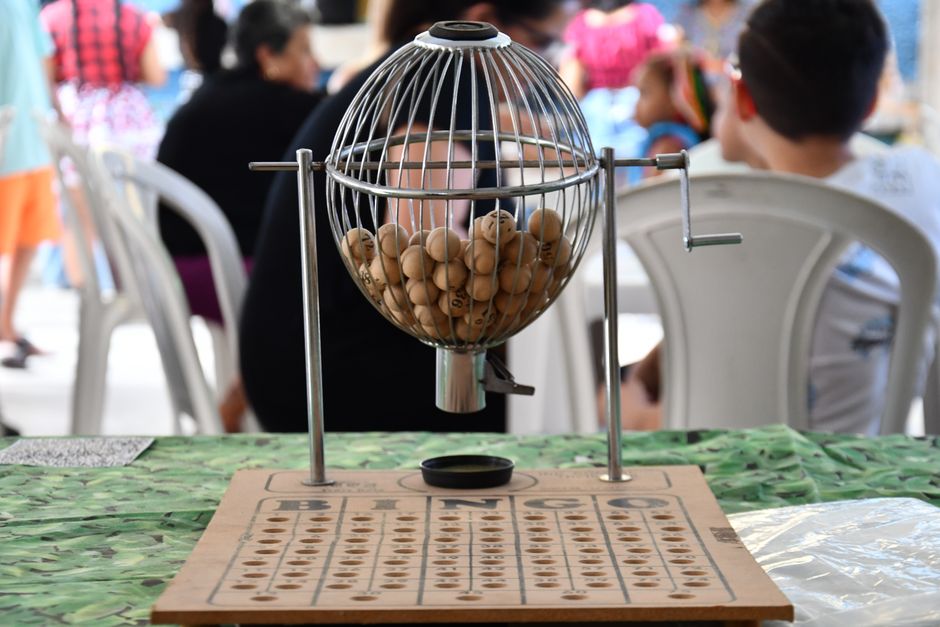
These machines use a motorized fan to mix numbered balls in a transparent chamber. A ball is then captured and displayed, often with a light and sound effect. They are the classic image of bingo and are trusted by older players.
- Pros: Visual transparency, familiar to players, no software glitches, easy to repair mechanically.
- Cons: Louder, require physical ball maintenance, slower than digital systems, limited game formats.
Electronic RNG (Random Number Generator) Machines
These are computer-based systems that generate random numbers and display them on a screen or monitor. They can be integrated with player consoles and automatic daubing.
- Pros: Silent, fast, programmable for multiple game patterns, easy to integrate with POS and jackpot systems.
- Cons: Requires reliable power and IT support, some players distrust RNG unless certified, higher upfront cost.
Hybrid Systems
Some halls use a ball blower for the main game and an electronic display for verification. This combines the trust of physical balls with the convenience of digital displays. Consider your player demographic before choosing.
Key Features to Evaluate in a Bingo Machine
Not all machines are created equal. Here are the features that matter most for a busy bingo hall.
Ball Capacity and Size
Standard bingo uses 75 balls (US) or 90 balls (UK). Ensure the machine supports the ball count and size used in your region. Larger balls are easier to see and handle, but they require a bigger blower chamber.
Speed and Adjustability
Game pace affects player engagement. Look for adjustable speed settings. Too fast and players can't keep up; too slow and they get bored. A good machine lets you set the interval between calls, from 3 to 10 seconds.
Display and Sound
A large, bright display is essential for visibility across the hall. LED or LCD screens with high contrast work best. Sound should be clear and adjustable, with options for different call styles (e.g., traditional, humorous, or multilingual).
Randomization and Fairness Certification
Fairness is non-negotiable. For electronic machines, look for certification from independent testing labs (e.g., GLI, BMM). For ball blowers, ensure the balls are precisely weighted and the air flow is consistent. Ask the manufacturer for a certificate of randomness.
Integration and Connectivity
Modern bingo halls often need integration with:
- Point-of-sale (POS) systems for ticket sales
- Player tracking and loyalty programs
- Jackpot controllers and progressive systems
- Electronic daubing consoles
Check that the machine supports standard protocols (e.g., USB, Ethernet, or serial) and comes with an API or SDK if needed.
Durability and Build Quality
Bingo halls operate for hours daily. The machine must be robust. Look for metal gears, high-quality motors, and scratch-resistant surfaces. Avoid flimsy plastic parts that wear out quickly.
Budgeting: How Much Should You Spend?
Prices vary widely. Here's a rough guide:
| Machine Type | Price Range (USD) | Best For |
|---|---|---|
| Basic Ball Blower | $500 – $1,500 | Small halls, charity events |
| Premium Ball Blower | $1,500 – $4,000 | Medium to large halls |
| Electronic RNG System | $3,000 – $10,000+ | Large halls, multi-room setups |
| Hybrid System | $5,000 – $15,000 | High-volume commercial halls |
Remember to factor in installation, training, and ongoing maintenance. A cheaper machine may cost more in repairs and downtime. Consider leasing or financing if cash flow is tight.
Practical Tips for Choosing the Right Machine
- Visit other halls: See machines in action and ask operators about reliability and player feedback.
- Request a demo: Reputable vendors will let you test the machine before buying.
- Check warranty and support: Aim for at least a 2-year warranty and local technical support.
- Ask about spare parts: Balls, belts, and motors should be readily available.
- Consider future growth: If you plan to expand, choose a system that scales.
- Read the fine print: Some electronic systems charge subscription fees for software updates or jackpot integration.
Installation and Setup Considerations
Before the machine arrives, plan the following:
- Power supply: Ensure dedicated circuits and surge protection.
- Space: Ball blowers need clearance for the chamber and ball return. Electronic systems need a monitor and console space.
- Cabling: For networked systems, run Ethernet or serial cables safely.
- Lighting: Avoid glare on displays; use adjustable spotlights.
- Acoustics: Ball blowers are noisy. Place them away from player seating if possible.
Maintenance and Longevity
Regular maintenance keeps your bingo machine running smoothly and extends its life.
Daily Checks
- Clean the ball chamber and balls with a soft cloth.
- Check for loose screws or worn belts.
- Test the display and sound.
Weekly Tasks
- Inspect the fan and motor for dust buildup.
- Verify ball weight and condition; replace damaged balls.
- Update software if applicable.
Annual Service
- Professional inspection and calibration.
- Replace worn parts (belts, bearings, bulbs).
- Re-certify randomness if required by local regulations.
Regulatory and Compliance Factors
Bingo is heavily regulated in many jurisdictions. Check local laws regarding:
- Approved machine models and vendors
- Randomness certification requirements
- Reporting and auditing capabilities
- Maximum jackpot limits
Always buy from a vendor who understands your local regulations and can provide the necessary documentation.
Conclusion: Making the Final Decision
Choosing a bingo machine for your hall is a significant investment. Start by defining your needs: player demographics, game formats, budget, and future plans. Then evaluate machines on the criteria above—type, features, durability, support, and compliance. Don't rush. Visit trade shows, talk to other operators, and test before you buy. A well-chosen machine will serve you for years, keeping players happy and your business thriving.