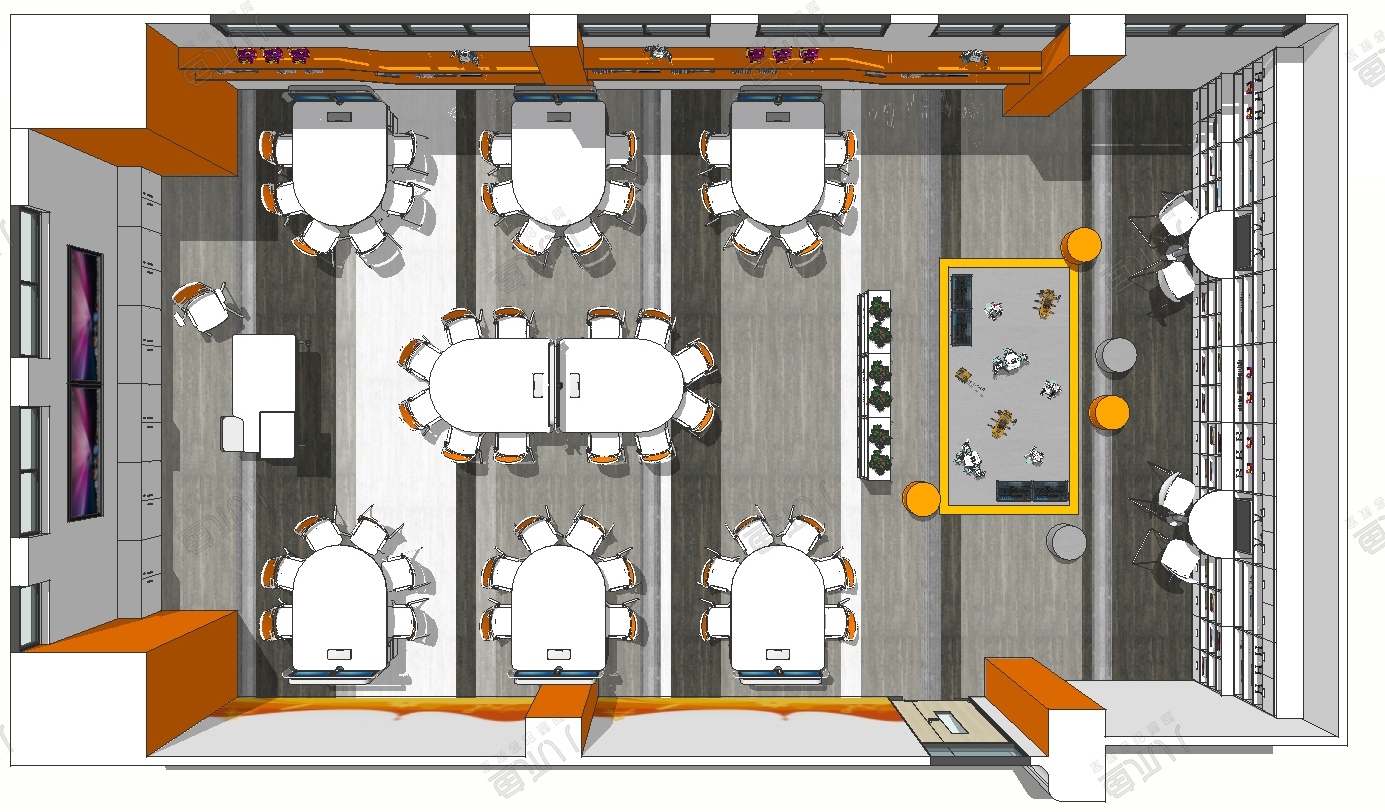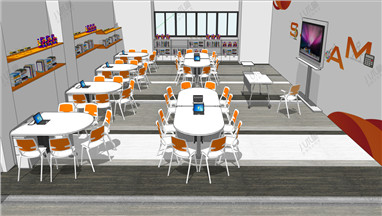


STEAM education is an upgrade of traditional education. It is a functional framework based on the natural school approach, which can be suitable for all types of teaching workers and students of different grades. As we all know, STEAM education integrates five disciplines: Science, Technology, Engineering, Art, and Mathematics. Students can not only learn theoretical knowledge, but also operate hands-on and exercise their practical ability. To a certain extent, it can improve the current situation of education in our country and effectively solve the problems in reality. What are the differences between STEAM education and traditional education? It is mainly manifested in the following aspects: First, from life, combined with life. STEAM education applies real-life science, technology and engineering to education, so that students can better understand what they have learned. Take the sponge city as an example. In the sponge city course, students can understand what materials are absorbent and what materials are not absorbent. They can also learn the concept of sponge cities, how rainwater is purified and treated. Finally, the group discusses and cooperates to complete the model of building a sponge city. STEAM education originates from life, combines life, and finally is higher than life. Students solve problems encountered in life, which is also its unique feature. Second, the integration of various disciplines STEAM education emphasizes the cross-disciplinary integration, which forms a complete system of formerly independent and scattered disciplines. Students are encouraged to choose their own projects of interest, cultivate students' interdisciplinary thinking ability, and enhance knowledge application and innovation. STEAM education integrates the content of these disciplines through the participation of technology, engineering and art. By combining abstract knowledge with engineering technology, students can also think divergent and participate in projects of interest, enjoying the process of exploration and learning. Third, the combination of hands-on + brain STEAM education pays more attention to the learning experience of students. It originates from the cases in life to let them learn to think. Starting from the fresh learning situation, it pays attention to the interaction between students and the learning content, and pays attention to the learning experience of learners. Let students acquire knowledge in the process of hands-on construction and realize the value of students. Fourth, students share and cooperate. STEAM education emphasizes that students should learn to share and cooperate, and finally achieve a win-win situation. Its course content covers various fields of material world, life science, and technical engineering. Students form groups to discuss, share, and finally work together to achieve the final success. During the whole process, each student operates by himself, so that they can better understand what they see and demonstrate what they think. Students need a flexible learning structure to adapt to the development of the times. STEAM education emphasizes the experiential, contextual, and collaborative nature of learning, which can enable students to truly achieve learning by doing and return creativity to the classroom.
Each theme course developed by the Maker...
Makerspace construction allows people to...
Before we learn about maker education, l...
STEAM education is an upgrade of traditi...