Introduction to Sustainable Packaging Printing
In today's eco-conscious market, B2B buyers are increasingly prioritizing sustainability in their supply chain. Sustainable packaging printing reduces environmental impact while maintaining quality and cost-effectiveness. This guide explores key considerations, materials, and strategies for B2B buyers looking to adopt sustainable packaging.
Why Sustainability Matters in Packaging Printing
Consumers and businesses alike demand eco-friendly practices. Sustainable packaging printing helps reduce carbon footprint, comply with regulations, and enhance brand reputation. For B2B buyers, it can lead to long-term cost savings through material efficiency and waste reduction.

Key Materials for Sustainable Packaging
Recycled Paper and Cardboard
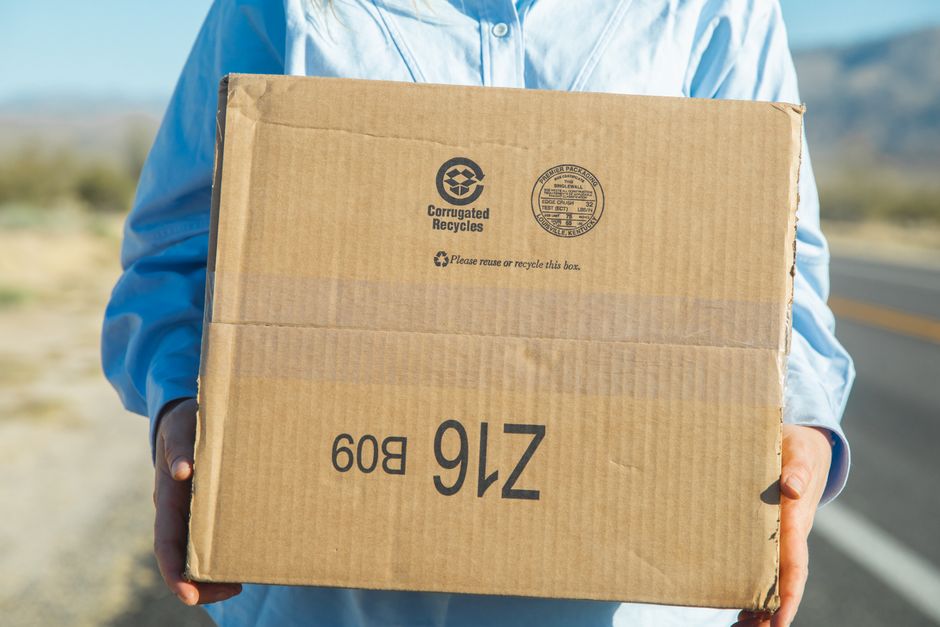
Using post-consumer recycled content reduces deforestation and energy use. Ensure materials are certified by FSC or SFI.
Biodegradable Plastics
PLA (polylactic acid) and PHA (polyhydroxyalkanoates) are compostable alternatives to traditional plastics. Suitable for flexible packaging.
Water-Based Inks
Water-based inks contain fewer volatile organic compounds (VOCs) than solvent-based, making them safer for the environment and workers.
Minimalist Design
Reducing ink coverage and using lighter materials lowers weight and resource consumption. Opt for simple designs with fewer colors.
Sustainable Printing Techniques
Digital Printing
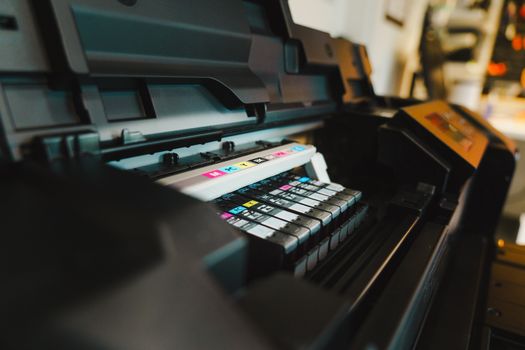
Digital printing reduces waste by eliminating plates and allowing shorter runs. It uses less energy and water compared to offset printing.
UV Printing
UV-curable inks dry instantly, reducing energy use and eliminating solvents. They adhere to various substrates, including recycled materials.
Flexography with Eco-Friendly Inks
Flexographic printing can use water-based or UV inks. It is efficient for large runs and compatible with recycled paper.
Certifications and Standards to Look For
| Certification | Description |
|---|---|
| FSC | Forest Stewardship Council ensures responsible forest management. |
| SFI | Sustainable Forestry Initiative promotes sustainable forestry. |
| Green Seal | Certifies reduced environmental impact in printing processes. |
| ISO 14001 | Environmental management system standard. |
Practical Tips for B2B Buyers
- Audit your current packaging: Identify areas to reduce material and improve recyclability.
- Partner with eco-friendly printers: Ask about their sustainability practices and certifications.
- Optimize packaging size: Right-sized packaging reduces material use and shipping costs.
- Use eco-labels: Communicate your sustainability efforts to customers with clear labeling.
- Consider lifecycle analysis: Evaluate environmental impact from raw material to disposal.
Cost Considerations and ROI
Sustainable packaging may have higher upfront costs but offers long-term savings through reduced material use, lower shipping weights, and improved brand loyalty. Bulk purchasing and negotiating with suppliers can offset costs. Additionally, many consumers are willing to pay a premium for sustainable products.
Future Trends in Sustainable Packaging Printing
Innovations include edible packaging, mushroom-based materials, and smart packaging that reduces food waste. B2B buyers should stay informed about emerging technologies and materials to maintain a competitive edge.
Conclusion
Sustainable packaging printing is not just an environmental imperative but a smart business strategy. By selecting eco-friendly materials, efficient printing techniques, and certified partners, B2B buyers can reduce their ecological footprint while meeting customer demands. Start small, measure impact, and scale up your sustainability efforts.
Need product recommendations for your market?
Share the categories, quantities and branding direction for a practical proposal.
Start a product brief