1. Bulk Ordering: The Foundation of Cost-Effective Packaging
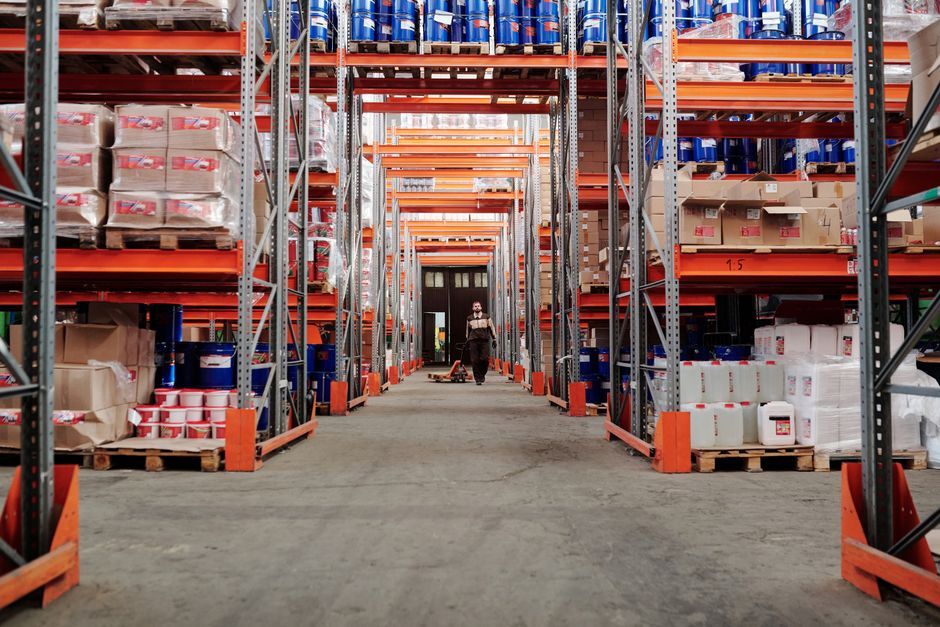
Ordering packaging materials in bulk is one of the most straightforward ways to reduce per-unit costs. Suppliers often offer tiered pricing, where the cost per box or bag drops significantly as the order quantity increases. For B2B buyers with predictable demand, committing to larger volumes can lead to savings of 20-30% or more.
However, bulk ordering requires careful inventory management. You need to balance the lower unit cost against storage space and cash flow. Consider negotiating with your printer for a volume discount contract that locks in favorable rates over a period, allowing you to order in smaller increments while still benefiting from bulk pricing.
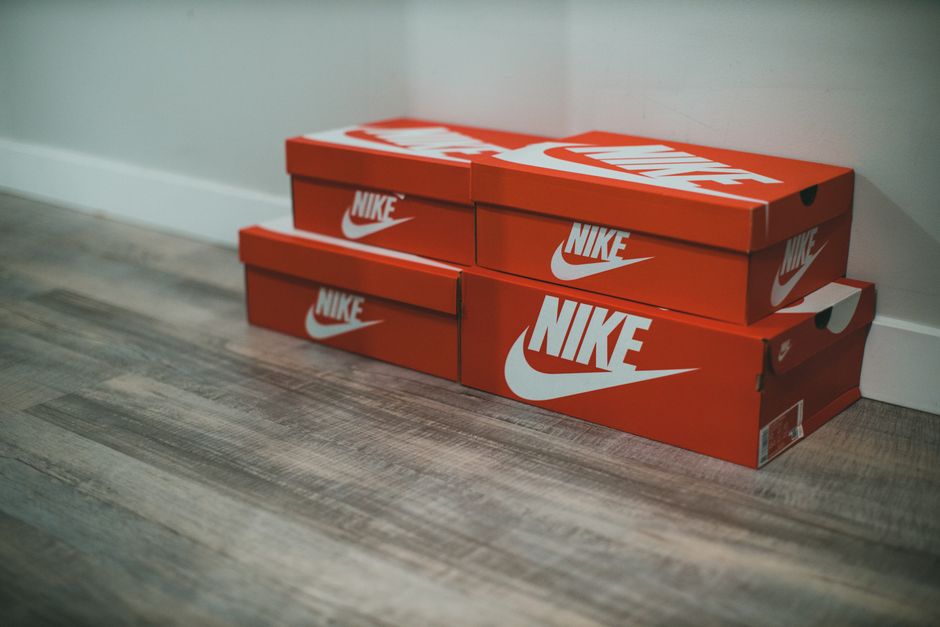
2. Standardized Box Sizes: Less Customization, More Savings
Custom-sized boxes often come with higher tooling and setup costs. By standardizing your packaging to a few common sizes, you can avoid these extra charges. Many suppliers stock pre-made boxes in standard dimensions, which are cheaper and faster to produce than custom orders.
If your products vary in size, consider using adjustable inserts or void fill to fit them into a standard box. This not only reduces packaging costs but also simplifies your supply chain. Additionally, standard boxes are easier to source from multiple vendors, giving you more negotiating power.

3. Digital Printing for Short Runs and Customization
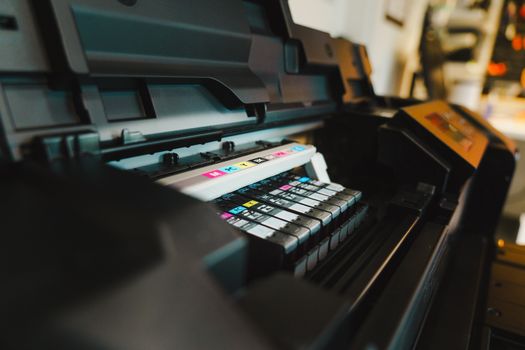
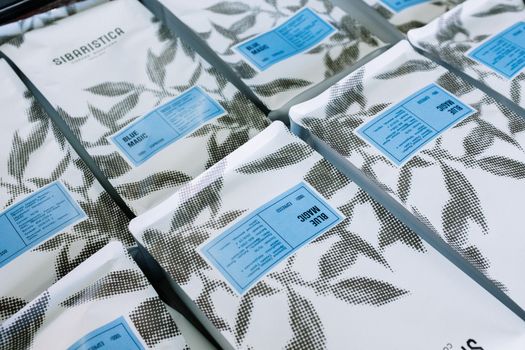
Digital printing has revolutionized packaging for B2B buyers who need short runs or frequent design changes. Unlike traditional offset printing, digital requires no plates, so setup costs are negligible. This makes it ideal for test markets, seasonal promotions, or personalized packaging.
While per-unit costs for digital printing are higher than offset for very large runs, the total cost for small to medium quantities is often lower because you don't pay for plates or minimum order quantities. Furthermore, digital printing allows for variable data printing, enabling you to customize each box with different text or codes without extra cost.
4. Sustainable Materials: Eco-Friendly and Budget-Friendly
Switching to recycled or sustainable materials can actually reduce your packaging costs. Recycled cardboard and paper are often cheaper than virgin materials, and many suppliers offer eco-friendly options at competitive prices. Additionally, lightweight materials reduce shipping costs, which is a significant expense for B2B shipments.
Consumers and business partners increasingly prefer sustainable packaging, so this move can also enhance your brand image. Look for materials like corrugated cardboard made from post-consumer waste or biodegradable plastic alternatives. Some suppliers even offer carbon-neutral production options at a minimal premium.
5. Reduce Packaging Layers: Simplify to Save
Many products are over-packaged with multiple layers of protection that aren't necessary. By analyzing your supply chain and product fragility, you can often eliminate inner boxes, unnecessary void fill, or heavy outer cartons. This reduces material costs and shipping weight.
For example, if your products are durable, consider using a single corrugated box with minimal cushioning. Alternatively, use a mailer bag instead of a box for lightweight items. Each reduction in packaging complexity lowers your per-unit cost and your environmental footprint.
6. Negotiate with Suppliers: Beyond Unit Price
Don't just focus on the unit price when negotiating with packaging suppliers. Consider total cost of ownership, which includes delivery charges, payment terms, and return policies. Ask for free shipping on large orders or extended payment terms to improve cash flow.
Building a long-term relationship with a supplier can lead to additional benefits like priority production slots, exclusive discounts, or free design services. Always get quotes from multiple suppliers and use them as leverage. Even a small percentage reduction can translate to significant savings over a year.
7. Automation in Packaging: Reduce Labor Costs
Automated packaging equipment, such as case erectors, box sealers, or stretch wrappers, can dramatically reduce labor costs and increase speed. While the initial investment may be high, the ROI can be realized within months for high-volume operations.
If you can't afford full automation, consider semi-automated solutions like tape dispensers or pneumatic staplers that speed up manual processes. Many suppliers offer leasing options or used equipment to lower the upfront cost. The long-term savings in labor and material waste often justify the investment.
Need product recommendations for your market?
Share the categories, quantities and branding direction for a practical proposal.
Start a product brief