Introduction
In the B2B packaging printing landscape, choosing between flexible and rigid packaging is a critical decision that impacts cost, sustainability, brand perception, and supply chain efficiency. This article provides a comprehensive comparison to help you determine which option aligns best with your business needs.
What Is Flexible Packaging Printing?
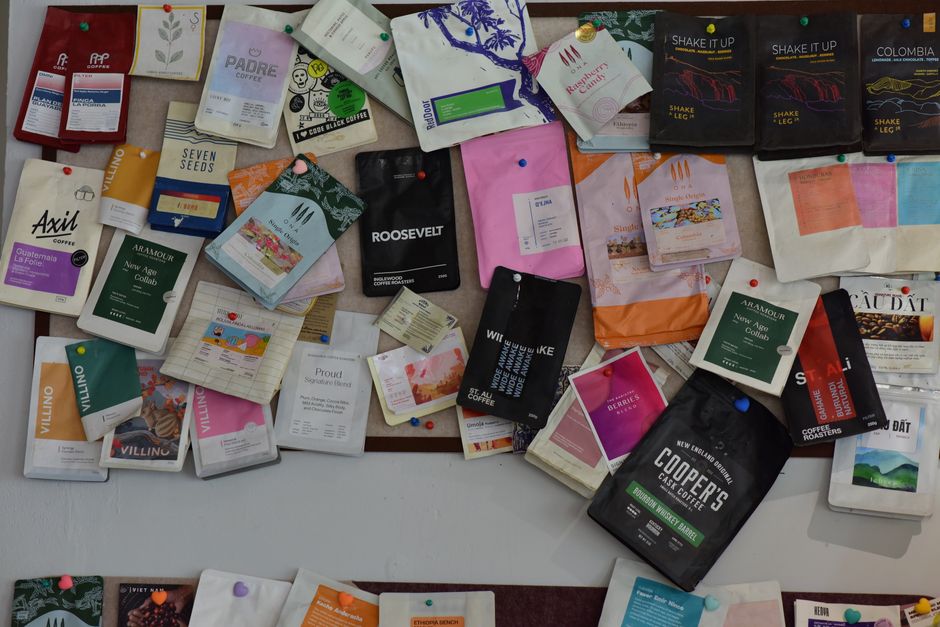
Flexible packaging refers to non-rigid materials such as films, pouches, bags, and wraps. It is typically made from plastic, paper, or aluminum laminates. Printing on flexible substrates requires specialized presses like flexography or rotogravure, offering high-speed production and excellent color consistency.
What Is Rigid Packaging Printing?
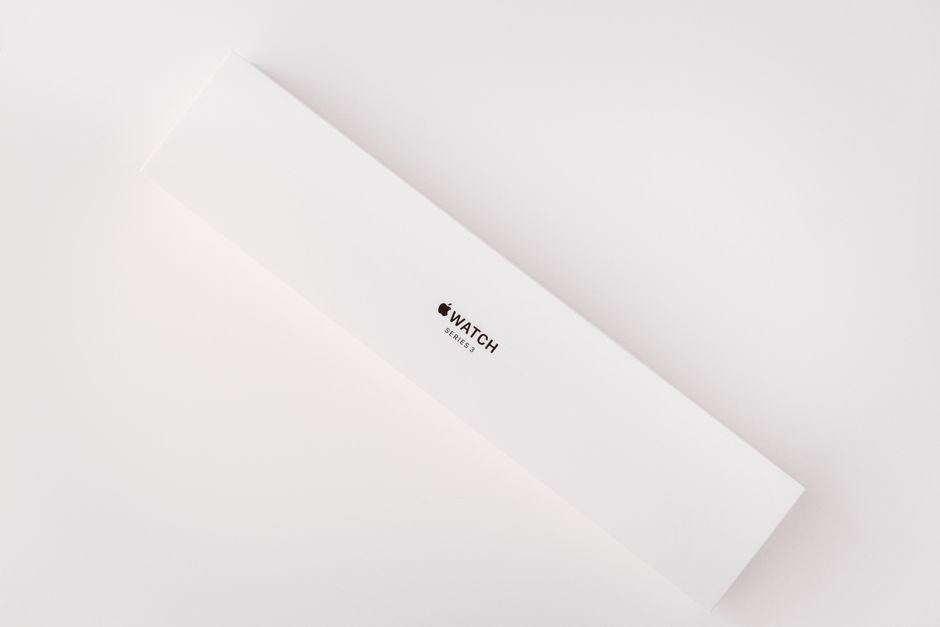
Rigid packaging includes boxes, cartons, cans, bottles, and jars made from cardboard, metal, glass, or thick plastic. Printing methods include offset lithography, digital printing, and screen printing. Rigid packaging provides structural strength and premium shelf presence.
Comparison: Flexible vs Rigid Packaging Printing
| Feature | Flexible Packaging | Rigid Packaging |
|---|---|---|
| Material Cost | Lower per unit (lightweight) | Higher (thicker materials) |
| Shipping Cost | Lower (space-efficient, lightweight) | Higher (bulky, heavy) |
| Print Quality | Good to excellent (flexo/gravure) | Excellent (offset/digital) |
| Durability | Moderate (puncture risk) | High (structural integrity) |
| Shelf Appeal | Good (but can look less premium) | Excellent (premium feel) |
| Customization | High (shapes, sizes) | Moderate (limited by mold/tooling) |
| Sustainability | Lower material usage, but harder to recycle | Often recyclable (paper, metal, glass) |
| Production Speed | Fast (roll-to-roll) | Slower (sheet-fed, assembly) |
| Minimum Order Quantity | Low to high (depends on method) | Usually high (due to tooling) |
| Best For | Food, beverages, powders, liquids | Electronics, luxury goods, hardware |
Advantages of Flexible Packaging Printing
- Cost-Effective: Lower material and shipping costs due to lightweight and compact nature.
- Versatility: Can be formed into pouches, stand-up bags, and spouted packages.
- Barrier Properties: Excellent protection against moisture, oxygen, and light when laminated.
- Space Efficiency: Reduces storage and transportation footprint.
Advantages of Rigid Packaging Printing
- Premium Look: Provides a high-end unboxing experience, important for brand differentiation.
- Durability: Protects products during shipping and handling, especially for fragile items.
- Recyclability: Paperboard, glass, and metal are widely recycled.
- Stackability: Rigid boxes and cans stack easily for retail display.
When to Choose Flexible Packaging
Flexible packaging is ideal for products that require lightweight, space-saving solutions, such as snack foods, coffee, pet food, and liquid concentrates. It is also suitable for B2B shipments where reducing freight costs is a priority.
When to Choose Rigid Packaging
Rigid packaging is best for high-value items, electronics, tools, and luxury goods where product protection and presentation are paramount. It is also preferred for products that need to be displayed on retail shelves.
Sustainability Considerations
Both options have environmental trade-offs. Flexible packaging uses less material but is often multi-layer and hard to recycle. Rigid packaging is more recyclable but has a higher carbon footprint in production and transport. B2B buyers should evaluate their sustainability goals and local recycling infrastructure.
Recommendation
For B2B buyers, the choice depends on your product and priorities. If cost reduction and shipping efficiency are critical, flexible packaging printing is the better option. If brand image and product protection are paramount, invest in rigid packaging. A hybrid approach—using rigid outer boxes with flexible inner pouches—can offer the best of both worlds.
Conclusion
Both flexible and rigid packaging printing have distinct advantages. By analyzing your product characteristics, budget, and market positioning, you can make an informed decision. Partner with a printing expert who specializes in your chosen format to ensure optimal results.
Need product recommendations for your market?
Share the categories, quantities and branding direction for a practical proposal.
Start a product brief