
Introduction: The State of Home Textile Innovation in 2024
2024 is a pivotal year for the home textile industry, driven by technological advancements, sustainability demands, and shifting consumer preferences. For B2B buyers—ranging from hospitality chains and interior designers to retail procurement managers—staying ahead of these trends is crucial for competitive advantage. This comprehensive guide explores the latest innovations in home textiles, including smart fabrics, eco-friendly materials, advanced manufacturing techniques, and design trends that are reshaping the market. Whether you’re sourcing for a hotel, a residential project, or a retail line, understanding these developments will help you make informed decisions and offer cutting-edge products to your clients.
1. Smart Textiles: Integrating Technology into Home Fabrics
Smart textiles are no longer a futuristic concept; they are becoming mainstream in home decor. In 2024, innovations focus on functionality without compromising aesthetics.
1.1 Temperature-Regulating Fabrics
Phase change materials (PCMs) are embedded in fibers to absorb, store, and release heat, maintaining a comfortable microclimate. Ideal for bedding and upholstery, these fabrics reduce energy costs and enhance sleep quality. B2B buyers can offer these as premium options for hotels and high-end residences.
1.2 Light-Emitting Textiles
OLED and fiber optic technologies are being woven into curtains, wall panels, and throw pillows. These textiles provide ambient lighting, reducing the need for separate fixtures. They are programmable, allowing color and intensity changes via smartphone apps—a unique selling point for modern interiors.
1.3 Antimicrobial and Self-Cleaning Fabrics
Post-pandemic, hygiene remains a priority. Silver nanoparticles and photocatalytic coatings are applied to textiles to kill bacteria and break down organic stains when exposed to light. This is especially valuable for hospitality and healthcare settings.
2. Sustainable Materials: Eco-Friendly Innovations
Sustainability is no longer optional; it’s a baseline expectation. In 2024, new materials and processes reduce environmental impact while maintaining quality.
2.1 Recycled and Upcycled Fibers
Post-consumer PET bottles are transformed into polyester fabrics. Innovations include recycled cotton from garment waste and upcycled fishing nets into nylon. Brands like Econyl and Repreve are leading the way. B2B buyers should verify certifications (e.g., GRS, OEKO-TEX) to ensure authenticity.
2.2 Bio-Based and Biodegradable Textiles
New fibers from algae, hemp, and mushroom mycelium are entering the market. For example, Algiknit produces yarn from kelp, which is biodegradable and requires no fertilizers. These materials appeal to eco-conscious clients and can command premium pricing.
2.3 Waterless Dyeing Technologies
Traditional dyeing uses vast amounts of water and chemicals. Innovations like air-dyeing and digital printing reduce water usage by up to 95%. This also allows for on-demand production, minimizing inventory waste—a key benefit for B2B operations.
3. Advanced Manufacturing: Efficiency and Customization
Manufacturing innovations in 2024 focus on speed, precision, and personalization, enabling B2B buyers to offer bespoke solutions without long lead times.
3.1 3D Knitting and Seamless Construction
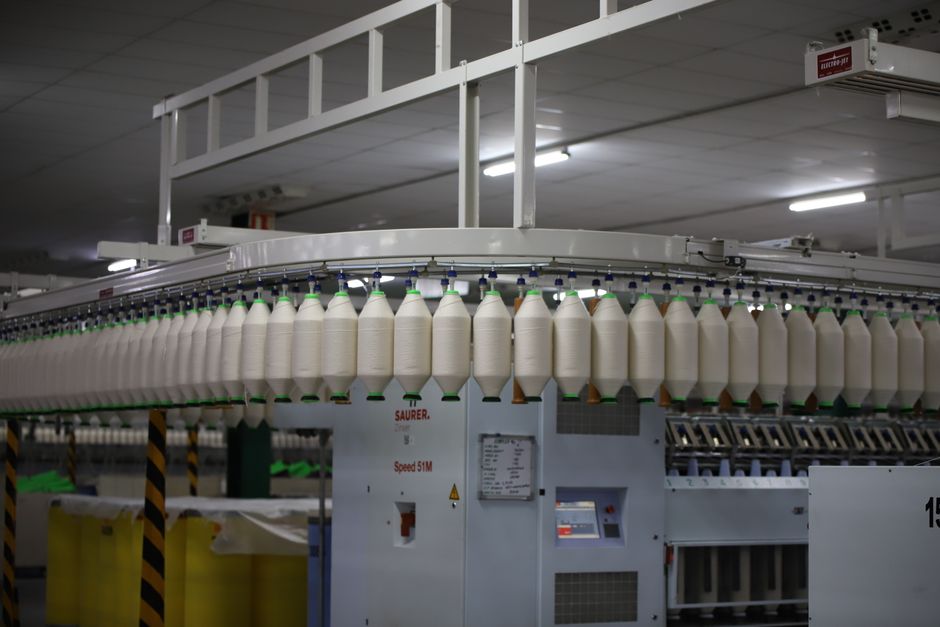
Whole-garment knitting machines produce items like blankets and cushion covers in one piece, eliminating seams and reducing waste. This technique allows for complex patterns and textures, and quick design changes without retooling.
3.2 Digital Printing and On-Demand Production
High-speed digital printers can produce short runs of custom designs, making it economical for B2B buyers to offer exclusive patterns for hotels or retail. This reduces overstock and enables rapid response to trends.
3.3 Automation and AI in Quality Control
AI-powered visual inspection systems detect defects in real-time, ensuring consistent quality. This is particularly useful for large orders where manual inspection is impractical. B2B buyers can expect higher reliability and fewer returns.
4. Design Trends: Aesthetic Directions for 2024
While technology and sustainability drive innovation, design remains paramount. Here are the key aesthetic trends influencing home textiles this year.
4.1 Biophilic and Nature-Inspired Patterns
Organic shapes, botanical prints, and earthy color palettes dominate. Textures mimicking natural materials (e.g., stone, wood, leaves) are popular. These designs support wellness and bring the outdoors inside—a trend accelerated by remote work.
4.2 Maximalist Textures and Layers
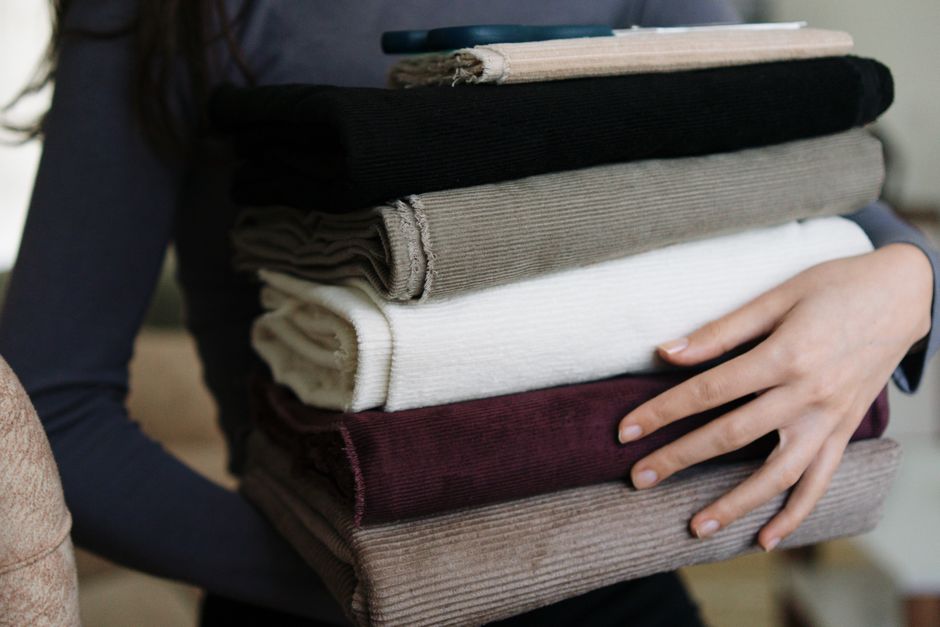
Rich textures like velvet, chenille, and bouclé are combined in layered looks. Mixing different weaves and finishes adds depth. B2B buyers should stock a variety of tactile options for clients seeking cozy, luxurious interiors.
4.3 Bold Colors and Geometric Patterns
Vibrant hues like deep teal, burnt orange, and mustard yellow are trending. Geometric patterns, often with a retro or Art Deco influence, add visual interest. These are particularly appealing for commercial spaces like lobbies and restaurants.
5. Practical Tips for B2B Buyers
Navigating the innovations of 2024 requires strategic sourcing. Here are actionable tips:
- Prioritize Certifications: Look for OEKO-TEX, GOTS, GRS, and Cradle to Cradle certifications to ensure sustainability and safety claims.
- Request Samples and Test Performance: For smart textiles, verify functionality (e.g., temperature regulation) with physical tests before bulk orders.
- Negotiate Minimum Order Quantities (MOQs): With digital printing and 3D knitting, some suppliers offer lower MOQs, enabling smaller businesses to access innovation.
- Build Relationships with Innovative Suppliers: Attend trade shows like Heimtextil or ITMA to connect with manufacturers pioneering new technologies.
- Educate Your Clients: Use product information sheets that highlight benefits like energy savings, hygiene, or customization. This adds value and justifies premium pricing.
6. Case Studies: Successful Implementation of Innovations
Real-world examples demonstrate the impact of these innovations.
6.1 Hotel Chain Adopts Smart Curtains
A luxury hotel group installed light-emitting curtains in guest rooms, allowing guests to adjust ambiance via tablet. Result: 15% increase in guest satisfaction scores and reduced electricity costs.
6.2 Retailer Launches Sustainable Bedding Line
A home decor retailer introduced a bedding set made from recycled ocean plastics and algae-based foam. The line sold out within two months, attracting eco-conscious customers and media attention.
6.3 Interior Designer Uses 3D-Knitted Upholstery
For a boutique hotel, a designer specified 3D-knitted sofas with custom patterns. The seamless construction reduced fabric waste by 30% and allowed quick design changes for future renovations.
7. Future Outlook: What’s Next After 2024
The pace of innovation is accelerating. Expect to see:
- Energy-Harvesting Textiles: Fabrics that generate electricity from movement or sunlight, powering small devices.
- AI-Integrated Home Textiles: Curtains that adjust based on weather forecasts, or bedding that monitors sleep patterns.
- Circular Economy Models: Textile-to-textile recycling becoming mainstream, with take-back programs from manufacturers.
B2B buyers who invest now in understanding and sourcing these innovations will be well-positioned to lead the market in the coming years.
Conclusion
2024 is a year of transformation in home textiles, where technology, sustainability, and design converge. For B2B buyers, the opportunities are vast: from smart fabrics that enhance functionality to eco-friendly materials that meet regulatory and consumer demands. By staying informed and partnering with forward-thinking suppliers, you can offer products that not only satisfy current needs but also anticipate future trends. Embrace these innovations to differentiate your business and deliver exceptional value to your clients.