
1. Sustainable Materials Gain Momentum in Home Textile Production
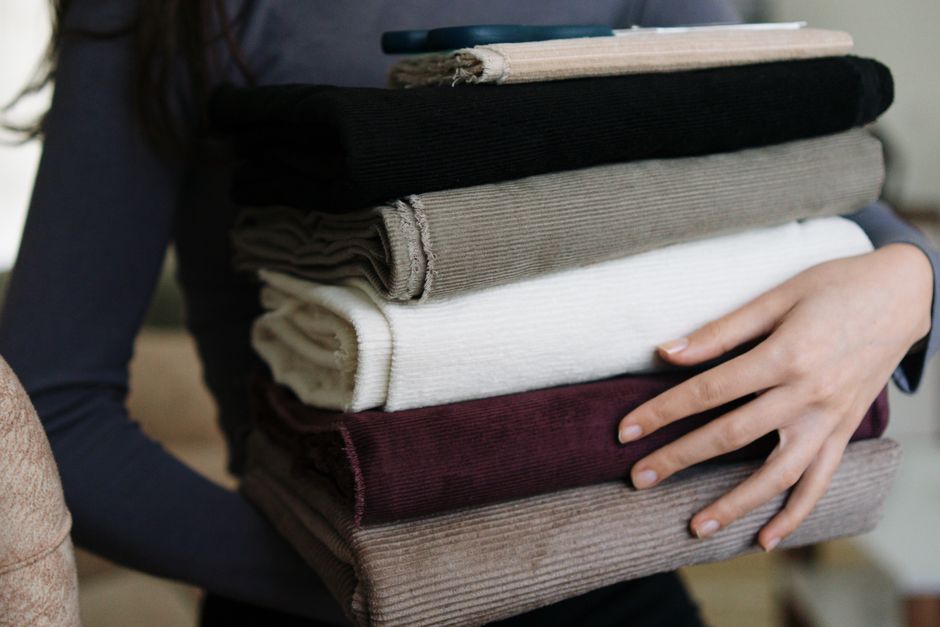
In 2025, the demand for eco-friendly home textiles has surged among B2B buyers. Leading suppliers are now prioritizing organic cotton, recycled polyester, and linen sourced from regenerative agriculture. This shift is driven by both regulatory pressures and consumer preference for sustainable products. For example, major manufacturers in India and Turkey have introduced GOTS-certified collections that reduce water usage by up to 40% compared to conventional methods.
B2B buyers should look for suppliers who provide transparency in their supply chain, such as blockchain-based tracking of raw materials. This not only meets corporate sustainability goals but also appeals to end consumers who are willing to pay a premium for green products. Partnering with a supplier that invests in renewable energy for production facilities can further strengthen your brand's eco-credentials.
2. Smart Textiles: Integrating Technology into Home Decor
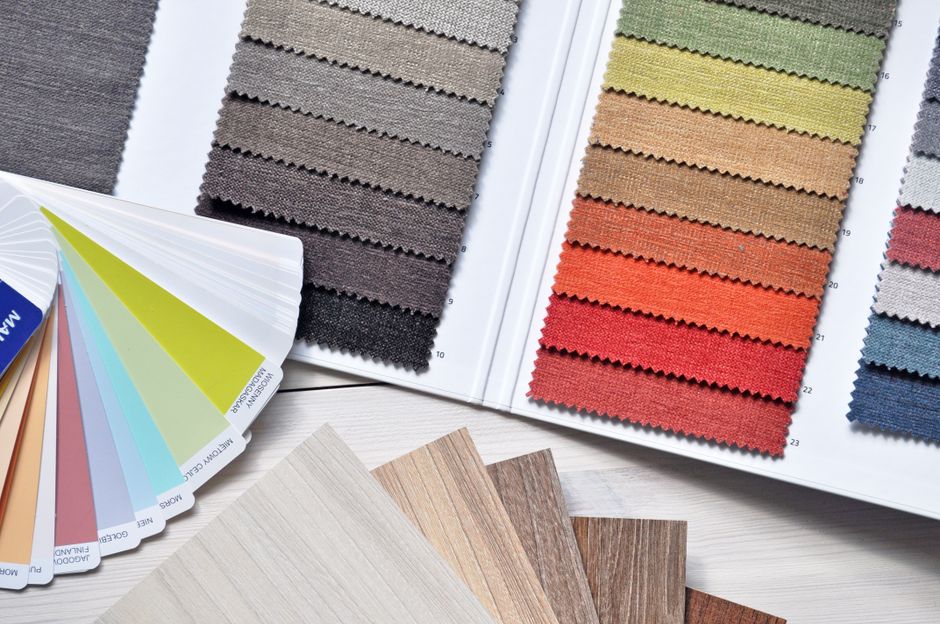
The integration of technology into home textiles is no longer futuristic. Smart curtains that adjust based on sunlight, heated blankets with app-controlled settings, and antimicrobial bedding are becoming mainstream. Suppliers in China and South Korea are leading this innovation, offering products embedded with sensors and conductive fibers. These textiles can monitor room temperature, humidity, and even air quality, providing added value to hospitality and healthcare sectors.
For B2B buyers, investing in smart textiles can differentiate your product line and command higher margins. However, it's crucial to ensure compatibility with popular smart home ecosystems like Amazon Alexa or Google Home. When selecting a supplier, ask about their R&D capabilities and warranty terms for electronic components. Early adoption of this trend can position your company as a market leader in tech-driven home comfort.
3. Supply Chain Diversification Reduces Risk for Importers
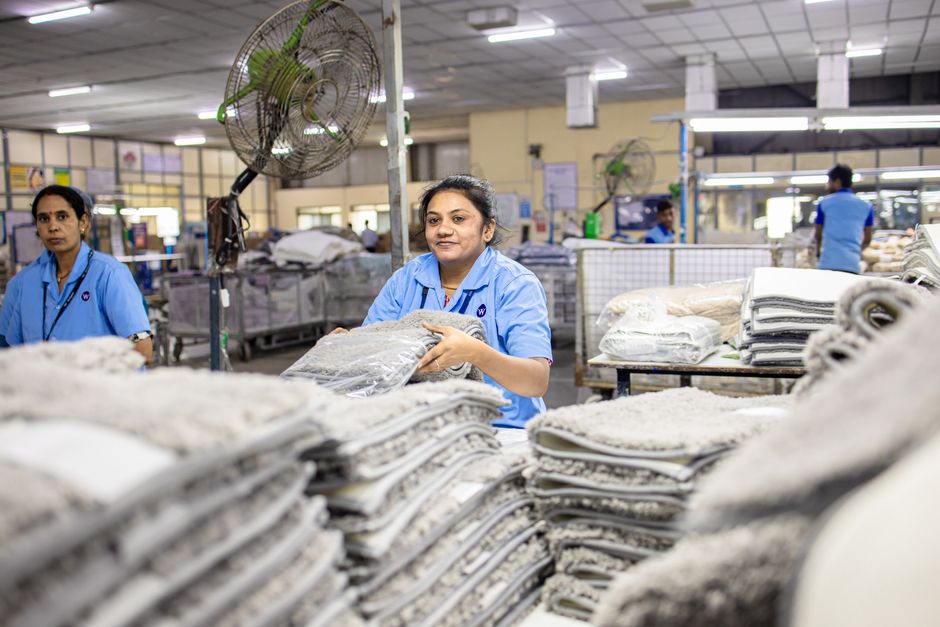
Recent geopolitical tensions and shipping disruptions have taught B2B buyers the importance of diversifying their supplier base. Rather than relying solely on one country, many are now sourcing from multiple regions such as Vietnam, Bangladesh, and Mexico. This strategy mitigates risks from tariffs, port strikes, or natural disasters. For instance, home textile suppliers in Vietnam have ramped up capacity for bed linens and towels, offering competitive pricing and shorter lead times.
To implement this, buyers should establish relationships with at least three suppliers in different countries. Conduct regular audits to ensure consistent quality and ethical labor practices. Additionally, consider nearshoring options like Mexican suppliers for the US market, which can reduce shipping costs and carbon footprint. A resilient supply chain is a competitive advantage in today's volatile market.
4. Digital Sampling and Virtual Showrooms Transform B2B Buying
The days of relying solely on physical sample books are fading. Top home textile suppliers now offer digital sampling tools and virtual showrooms that allow B2B buyers to view fabrics in high resolution, test color variations, and even simulate drape and texture online. This technology saves time and reduces waste, as buyers can shortlist options before requesting physical samples. Companies like Milliken and Bloomtex have reported 30% faster decision-making from clients using their digital platforms.
For buyers, embracing digital tools can streamline the procurement process. Look for suppliers that provide 3D visualization and integration with your inventory management system. Virtual showrooms also enable global sourcing without travel costs, making it easier to explore new collections from different markets. As this trend grows, suppliers without digital capabilities may be left behind.
5. Customization and Private Labeling on the Rise
B2B buyers increasingly seek unique products to differentiate their offerings. Home textile suppliers are responding with flexible customization options, from custom weaves and prints to bespoke packaging. Private labeling has become a key service, allowing brands to create exclusive lines without investing in manufacturing. For example, a hotel chain can order towels with their logo woven in, or a retailer can launch a signature bedding collection sourced from a single supplier.
When negotiating with suppliers, clarify minimum order quantities (MOQs) for customization and lead times for design approval. Some suppliers offer design assistance to help you create market-ready products. This trend is particularly strong in the luxury segment, where exclusivity drives customer loyalty. By leveraging customization, B2B buyers can build a distinct brand identity and command premium pricing.
6. Stricter Quality Standards and Certifications Become Mandatory
Global buyers are enforcing stricter quality and safety standards for home textiles. Certifications like OEKO-TEX Standard 100, GOTS, and BSCI are no longer optional but required for many contracts. These certifications ensure products are free from harmful chemicals and produced under ethical conditions. Recent regulations in the EU and US have tightened limits on formaldehyde and azo dyes, pushing suppliers to upgrade their testing protocols.
B2B buyers should request certification documents and conduct random third-party testing to verify compliance. Working with certified suppliers reduces liability and enhances your brand reputation. Additionally, consider suppliers that offer full traceability from fiber to finished product. This transparency is increasingly demanded by consumers and can be a powerful marketing tool.
7. Emphasis on Comfort and Wellness Features in Product Development
Post-pandemic, consumers prioritize comfort and wellness in their homes. This has led to a boom in products like weighted blankets, cooling pillows, and ergonomic mattress toppers. Home textile suppliers are investing in R&D to develop fabrics with moisture-wicking, temperature-regulating, and aromatherapy properties. For instance, bamboo-derived viscose and Tencel are popular for their breathability and softness, while copper-infused fibers offer antimicrobial benefits.
For B2B buyers, aligning with wellness trends can open new market segments, such as senior living facilities, spas, and health-conscious consumers. When sourcing, evaluate the performance claims of these textiles through lab tests and user trials. Suppliers that provide detailed technical data sheets and sample kits for testing are preferable. This focus on health and comfort is expected to drive demand for years to come.