Home Textiles Trends 2025: A Buyer's Guide
Introduction: Navigating the Evolving Home Textiles Market
As a B2B buyer in the home textiles and decor industry, staying ahead of trends is crucial for sourcing products that resonate with your customers. The market is shifting towards sustainability, multifunctionality, and digital integration. In this guide, we explore the key trends shaping 2025 and beyond, providing actionable insights to refine your procurement strategy.
Trend 1: Sustainable and Eco-Friendly Materials
Sustainability is no longer a niche—it's a baseline expectation. Consumers demand transparency and eco-conscious production. For buyers, this means prioritizing suppliers who use organic cotton, linen, hemp, and recycled fibers. Certifications like GOTS (Global Organic Textile Standard) and OEKO-TEX are becoming mandatory for premium contracts.
Practical Tips for Sourcing Sustainably
- Request third-party certifications from suppliers.
- Evaluate water and energy usage in manufacturing processes.
- Consider biodegradable packaging options.
Trend 2: Smart Textiles and Tech-Integrated Home Decor
From temperature-regulating bedding to app-controlled curtains, smart textiles are gaining traction. B2B buyers should look for fabrics with embedded sensors or phase-change materials that enhance comfort. These products command higher margins and appeal to tech-savvy consumers.
| Product | Feature | Target Market |
|---|---|---|
| Smart curtains | Automated light control | Hotels, smart homes |
| Heated blankets | App temperature control | Luxury retail |
| Anti-bacterial towels | Silver ion technology | Gyms, spas |
Trend 3: Biophilic Design and Natural Aesthetics
Consumers seek connection with nature, driving demand for earthy tones, organic textures, and botanical patterns. Buyers should stock linen curtains, jute rugs, and cotton throws in muted greens, beiges, and terracotta. This trend aligns with wellness and mindfulness movements.
How to Curate a Biophilic Collection
- Choose materials like bamboo, wool, and cork.
- Incorporate leaf and floral prints.
- Offer modular products that allow customization.
Trend 4: Multifunctional and Space-Saving Products
Urbanization and remote work have increased the need for flexible home solutions. Convertible sofa beds, storage ottomans, and modular shelving are top sellers. For textiles, focus on reversible duvets, dual-purpose throws (blanket + decor), and foldable mattresses.
Trend 5: Bold Colors and Maximalist Patterns
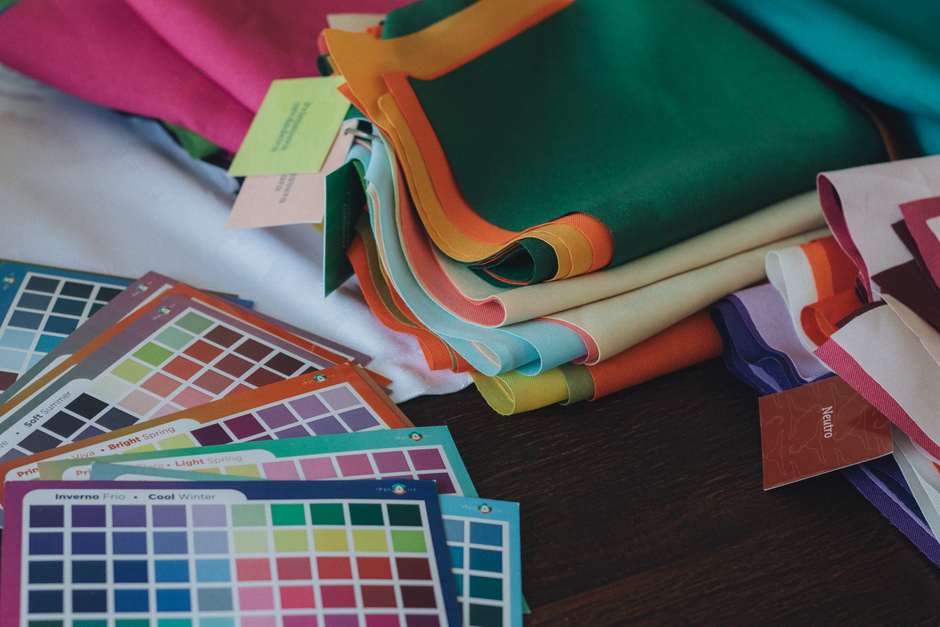
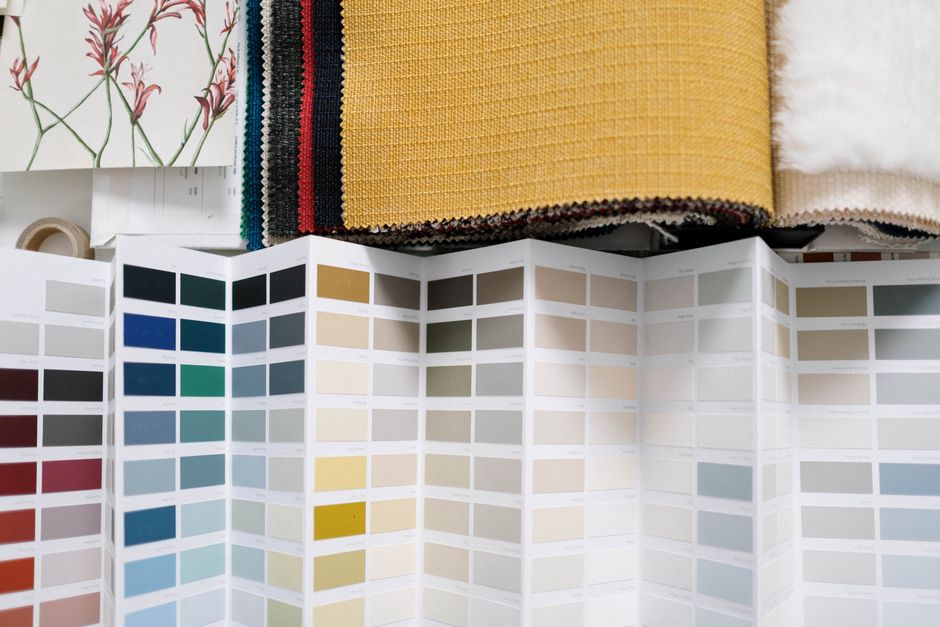
While minimalism persists, there's a growing appetite for vibrant colors and eclectic patterns. Jewel tones like emerald and sapphire, along with geometric and abstract designs, are popular. B2B buyers should balance neutral basics with statement pieces to cater to varied tastes.
Trend 6: Transparency and Traceability in Supply Chains
Post-pandemic, buyers prioritize ethical sourcing. Blockchain technology is enabling end-to-end traceability. Partner with suppliers who provide detailed production histories and labor practices. This builds brand trust and reduces risk.
Conclusion: Strategic Sourcing for 2025
By aligning your procurement with these trends—sustainability, smart tech, biophilic design, multifunctionality, bold aesthetics, and transparency—you can differentiate your offerings and meet evolving consumer demands. Stay agile, vet suppliers thoroughly, and consider attending trade shows like Heimtextil for firsthand insights.
Planning a home textile collection for your market?
Share the rooms, fabrics and color direction for a practical development proposal.
Start a conversation