Top B2B Home Textile Industry Updates This Quarter

Introduction: Navigating the Shifting Landscape of B2B Home Textiles
This quarter has brought significant changes to the B2B home textile industry, driven by evolving consumer preferences, supply chain adjustments, and sustainability mandates. For buyers—whether you're a hotel chain, interior designer, or retailer—staying ahead of these updates is critical to securing quality products at competitive prices. In this comprehensive guide, we break down the top trends, regulatory shifts, and practical strategies you need to know for Q3 2024.
1. Sustainability Takes Center Stage: Eco-Friendly Materials and Certifications
One of the most impactful updates this quarter is the acceleration of sustainable sourcing. Major buyers are now prioritizing suppliers with certifications like GOTS (Global Organic Textile Standard) and OEKO-TEX. Here’s what you need to know:
1.1. Organic Cotton and Recycled Polyester Dominance
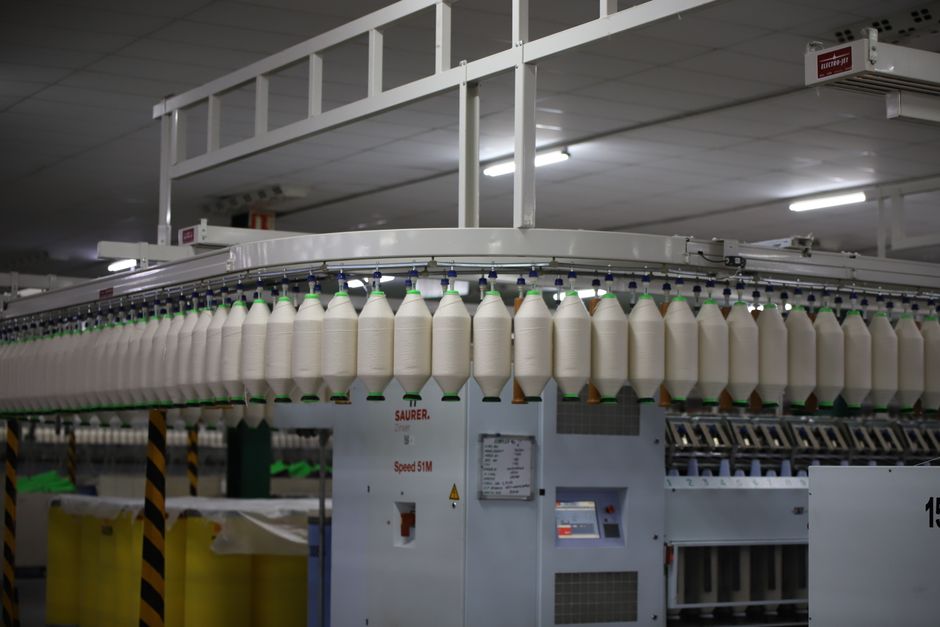
Demand for organic cotton has surged by 35% compared to last year, while recycled polyester (rPET) is becoming the norm for blends. Suppliers are investing in traceability systems to prove their claims.
1.2. Circular Economy Initiatives
Several European buyers now require take-back programs for used linens. Look for suppliers offering closed-loop recycling—this can become a key differentiator in your RFQs.
2. Smart Textiles: The Rise of Functional Fabrics
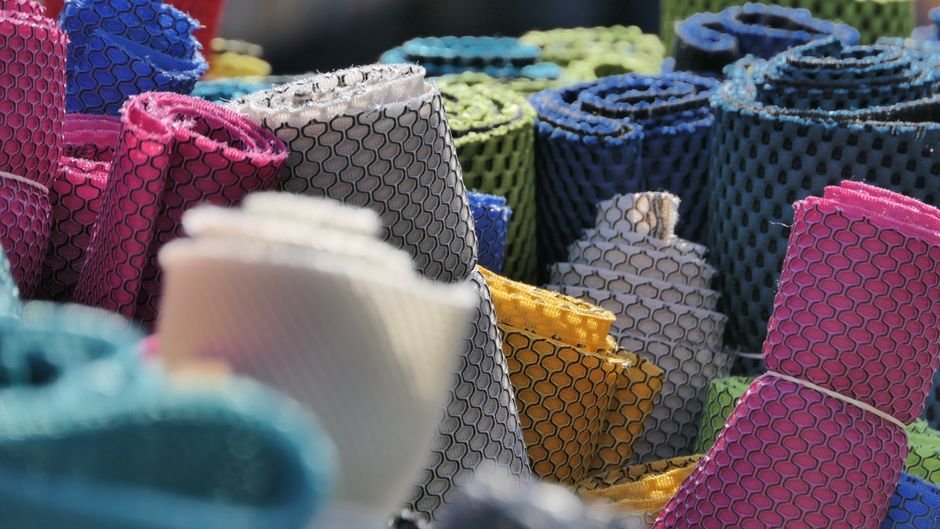
Technology is weaving its way into home textiles. This quarter, we’re seeing a spike in demand for:
- Antimicrobial finishes (silver-ion based) for hospitality bedding.
- Thermoregulating fabrics using phase-change materials for luxury blankets.
- Stain-resistant coatings that are PFAS-free, meeting new regulatory bans.
For B2B buyers, integrating these features can justify premium pricing and reduce replacement cycles.
3. Supply Chain Resilience: Nearshoring and Diversification
After years of disruptions, buyers are shifting from single-country sourcing. This quarter’s key trend is nearshoring—especially to Turkey, Mexico, and Eastern Europe. Benefits include faster lead times and lower carbon footprints. However, be prepared for slightly higher unit costs (5-10%).
4. Color and Design Trends: Earth Tones and Maximalism
Pantone’s Color of the Year influence is fading; instead, buyers are gravitating toward:
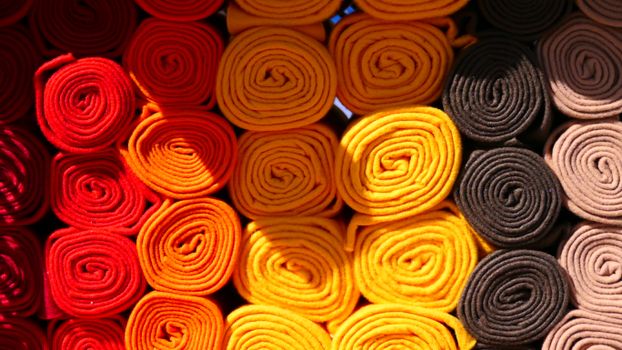
- Warm neutrals (terracotta, ochre) for hotel lobbies.
- Bold botanical prints for residential retail.
- Textured weaves (bouclé, chenille) for upholstery.
Update your product catalogs to reflect these preferences to stay relevant.
5. Regulatory Changes: PFAS Bans and Labeling Requirements
This quarter marks the enforcement of new PFAS restrictions in the EU and several US states. All textile products must now be free of intentionally added PFAS. Additionally, the FTC’s “Made in USA” labeling rules have tightened. Ensure your suppliers provide compliance documentation.
6. Pricing and Raw Material Outlook
Cotton prices have stabilized after a volatile year, while polyester remains cheap due to oversupply. However, labor costs in Asia are rising 8-12% annually. Our advice: Lock in long-term contracts with escalation clauses.
| Raw Material | Q3 2024 Trend | Impact on Buyers |
|---|---|---|
| Cotton | Stable $0.85-0.95/lb | Favorable for organic cotton |
| Polyester | Down 5% | Good for budget blends |
| Linen | Up 8% | Consider alternatives like hemp |
7. Digital Transformation: Virtual Showrooms and AI Buying
B2B buyers are increasingly using AI tools for demand forecasting and virtual sampling. This quarter, several major trade shows (e.g., Heimtextil) launched permanent digital platforms. Leverage these to reduce sample costs and speed up decision-making.
8. Practical Tips for B2B Buyers This Quarter
- Audit your supply chain for PFAS compliance before Q4.
- Request sustainability reports from top suppliers.
- Test smart textile samples in high-usage environments.
- Negotiate for volume discounts on recycled materials.
- Subscribe to trade newsletters (e.g., Textile World) for real-time updates.
Conclusion: Future-Proof Your Sourcing Strategy
This quarter’s updates are clear: sustainability, technology, and agility are non-negotiable. By aligning with these trends, B2B buyers can not only mitigate risks but also capture new market opportunities. Start implementing these insights today to stay ahead of the competition.
Planning a home textile collection for your market?
Share the rooms, fabrics and color direction for a practical development proposal.
Start a conversation