1. Understand the Price Range for Entry-Level Sprayers
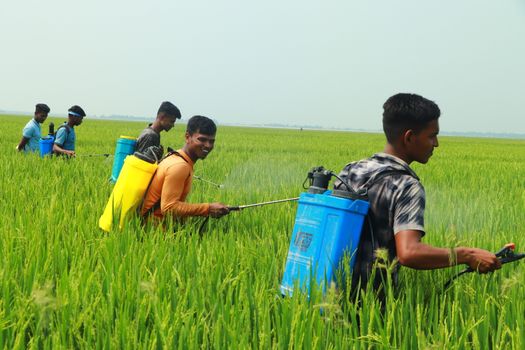
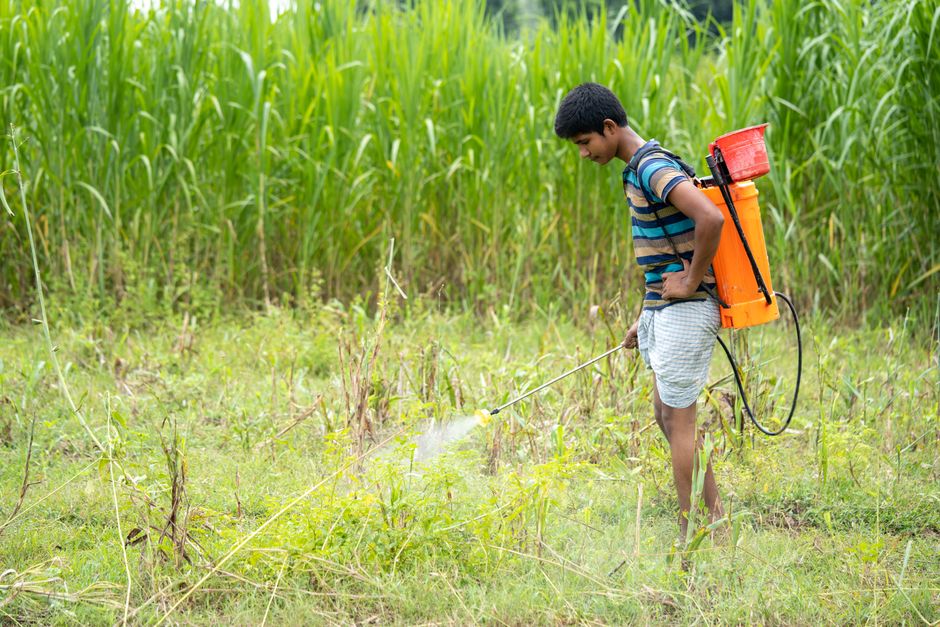
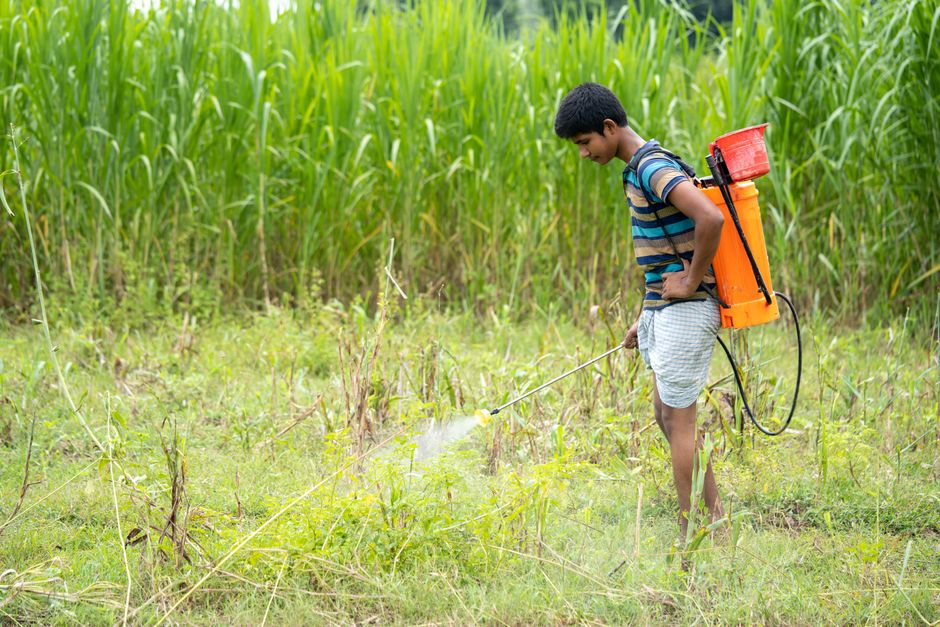
Entry-level agricultural sprayers, such as manual knapsack sprayers or small electric pump units, typically range from $50 to $300 per unit for B2B bulk orders. These are ideal for small farms or specialty crops. However, be aware that low-cost models often have plastic components that may degrade quickly under constant chemical exposure. For B2B buyers, investing slightly more in reinforced polyethylene tanks and brass nozzles can reduce replacement costs.
When comparing entry-level options, request a sample or specification sheet that includes material thickness (e.g., tank wall ≥2mm), nozzle material (brass vs. plastic), and warranty terms. Many manufacturers offer volume discounts for orders of 500+ units, bringing the per-unit cost down by 10–20%. Always verify that the pump mechanism is serviceable and spare parts are readily available.
2. Mid-Range Sprayers: Balance of Performance and Cost
Mid-range sprayers, including battery-powered backpack sprayers and small tractor-mounted units, typically cost between $300 and $1,500 per unit. These models often feature corrosion-resistant stainless steel frames, adjustable pressure controls, and multi-nozzle booms. For B2B buyers, this category is popular for orchards, vineyards, and medium-sized row crops.
Key factors influencing price include battery capacity (Ah), pump flow rate (L/min), and nozzle compatibility. For example, a 12V lithium-ion battery adds $50–80 to the cost but provides longer runtime. Always inquire about IP ratings for electrical components—IP65 or higher is recommended for dusty farm environments. Bulk orders of 50–200 units often qualify for free customization of nozzle color or branding.
3. High-End Professional Sprayers: Precision and Durability
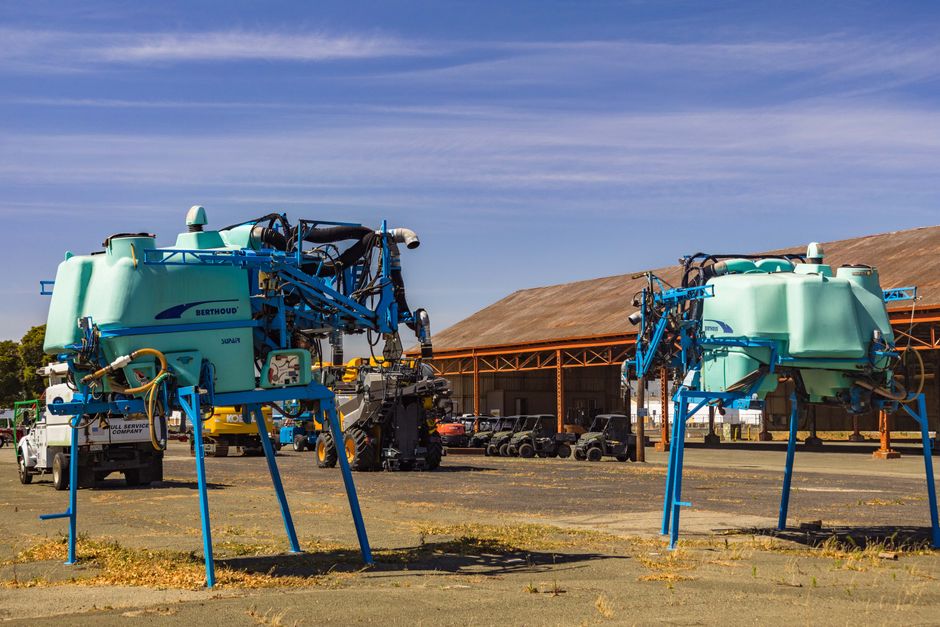
Professional-grade sprayers, such as self-propelled boom sprayers or large tow-behind units, range from $5,000 to $50,000+ depending on tank capacity (500–3,000 liters) and automation features. These are designed for large-scale commercial farms and custom applicators. Prices include advanced features like GPS-controlled section shut-off, variable rate application (VRA), and auto-steering integration.
For B2B buyers, the total cost of ownership (TCO) is critical. High-end sprayers often have lower maintenance costs due to stainless steel plumbing and ceramic nozzles. Additionally, they may comply with EU or EPA environmental standards, which is a selling point for export markets. Expect lead times of 4–8 weeks for customized configurations. Financing options or lease-to-own programs are sometimes available for orders above $20,000.
4. Factors That Influence Price Beyond the Base Model
Several add-ons and customizations can significantly alter the final price. Boom width extensions (e.g., from 12m to 18m) add $500–$2,000. Auto-leveling systems for hilly terrain cost an extra $1,000–$3,000. Tank agitation systems (hydraulic or jet) to keep chemicals mixed range from $200–$800. Additionally, nozzle selection—like air induction or drift-reducing types—can affect cost by $50–$200 per set.
Another hidden cost is training and after-sales support. Some manufacturers include on-site training for first-time buyers (valued at $500–$1,500). Spare parts kits are often sold separately; a basic kit of seals, nozzles, and filters may cost $100–$300. For international buyers, ensure the price includes export packaging (e.g., fumigated wooden crates) and CE or ISO certifications.
5. Bulk Order Discounts and Negotiation Strategies
Manufacturers typically offer tiered pricing: 10–50 units: 5% off; 51–200 units: 10% off; 201–500 units: 15% off; 500+ units: 20% off or more. However, these discounts are negotiable based on payment terms (e.g., 30% deposit, 70% before shipment) and lead time. Early payment (T/T in advance) can secure an additional 2–3% discount.
To get the best price, request a quote for multiple models and compare not just unit price but also shipping costs (FOB vs. CIF). Many manufacturers offer free sample units for serious buyers (refundable upon bulk order). Also, ask about white-labeling options: adding your brand logo and packaging may have a one-time setup fee of $200–$500 but can increase your margins.
6. Hidden Costs: Shipping, Duties, and Compliance
Shipping costs for sprayers vary widely: a 20-foot container (approx. 100 backpack units) from China to the US West Coast costs $2,000–$4,000. Larger equipment may require a 40-foot container ($3,500–$6,000). Additionally, import duties range from 0% (for some agricultural machinery under WTO agreements) to 8% depending on the country. Always confirm the Harmonized System (HS) code with your supplier.
Compliance costs can also add up. For example, sprayers sold in the EU must have CE marking (testing cost $500–$2,000 per model). In the US, EPA registration for chemical tanks may be required. Some manufacturers include these certifications in the price, while others charge separately. Request a compliance checklist before finalizing the order.
7. Compare Prices Across Different Sprayer Types
To help you budget, here is a comparative price table for common sprayer categories (B2B bulk pricing, per unit):
| Sprayer Type | Price Range (USD) | Typical Order Quantity |
|---|---|---|
| Manual Knapsack | $50–$150 | 500–2,000 |
| Battery Backpack | $200–$600 | 200–1,000 |
| Tractor-Mounted (500L) | $1,500–$4,000 | 50–200 |
| Self-Propelled Boom | $10,000–$50,000 | 5–20 |
Note: Prices are estimates and subject to change based on raw material costs and customization. Always request a formal quotation with validity period.
8. Tips for Getting the Best Value for Your Money
First, focus on total cost of ownership: a cheaper sprayer may require frequent repairs. Look for models with easily replaceable parts like diaphragms and nozzles. Second, ask for references from other B2B buyers in similar markets. Third, negotiate a warranty of at least 1 year on pumps and 2 years on tanks. Fourth, consider buying during off-season (e.g., winter) when manufacturers offer discounts to clear inventory.
Finally, build a long-term relationship with a reliable manufacturer. Many offer loyalty discounts, priority production slots, and first access to new models. Investing time in vetting suppliers can save thousands over multiple orders. Remember, the cheapest price is not always the best value—reliability and after-sales support are crucial for agricultural equipment.