
1. Precision Agriculture Integration with AI and IoT
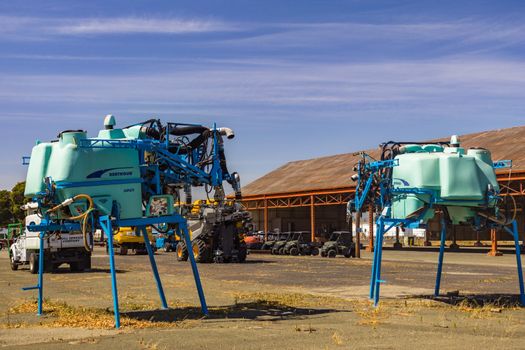
In 2025, agricultural sprayers are becoming smarter than ever. The integration of Artificial Intelligence (AI) and the Internet of Things (IoT) allows sprayers to analyze crop health in real-time, detect pests and diseases, and apply chemicals only where needed. This reduces waste and increases efficiency.
Our latest sprayers come equipped with sensors that communicate with farm management software. They adjust spray volume and droplet size based on weather conditions, crop density, and growth stage. This precision not only cuts costs but also minimizes environmental impact.
For B2B buyers, this means offering clients a high-tech solution that boosts yield while lowering chemical usage. The data collected can be used for compliance reporting and sustainability certifications, adding value to your product portfolio.
2. Autonomous and Semi-Autonomous Sprayers
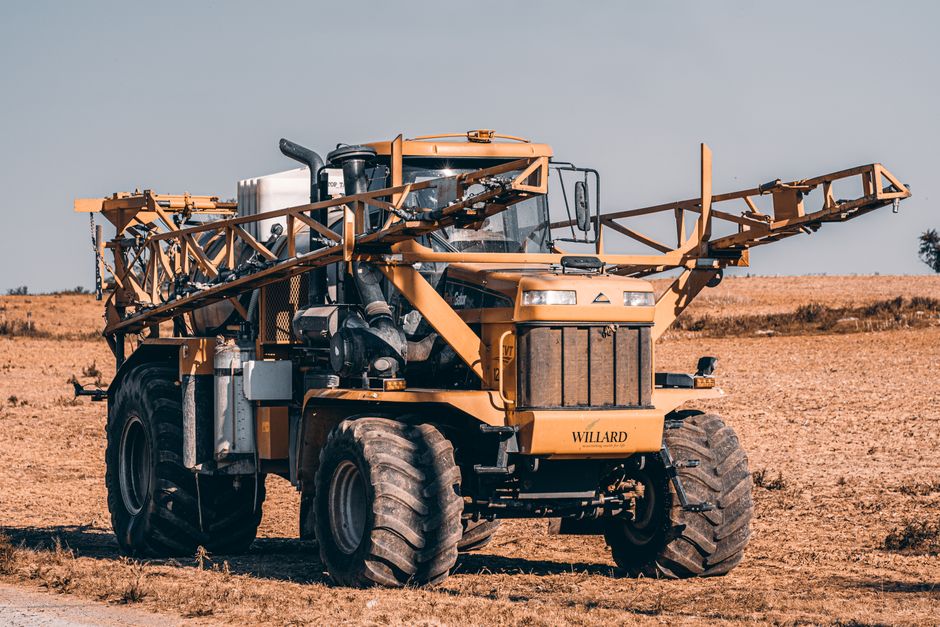
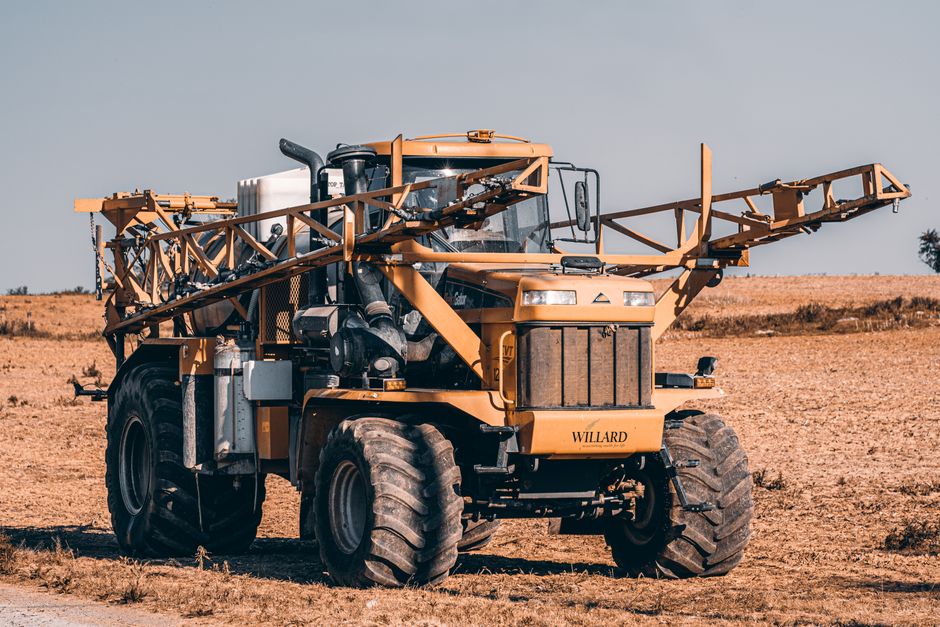
Automation is a key trend for 2025. Sprayers are increasingly capable of operating without a driver, using GPS, LiDAR, and computer vision to navigate fields. Semi-autonomous models allow operators to monitor multiple units from a single control center.
These sprayers reduce labor costs and human error, especially during long spraying sessions. They can work 24/7, covering more ground in less time. For large farms, this translates to significant productivity gains.
As a manufacturer, we are investing in modular autonomous kits that can be retrofitted to existing sprayers. This gives your customers a cost-effective upgrade path. The technology is also scalable—from small orchards to vast wheat fields.
3. Variable Rate Technology (VRT) for Optimized Application
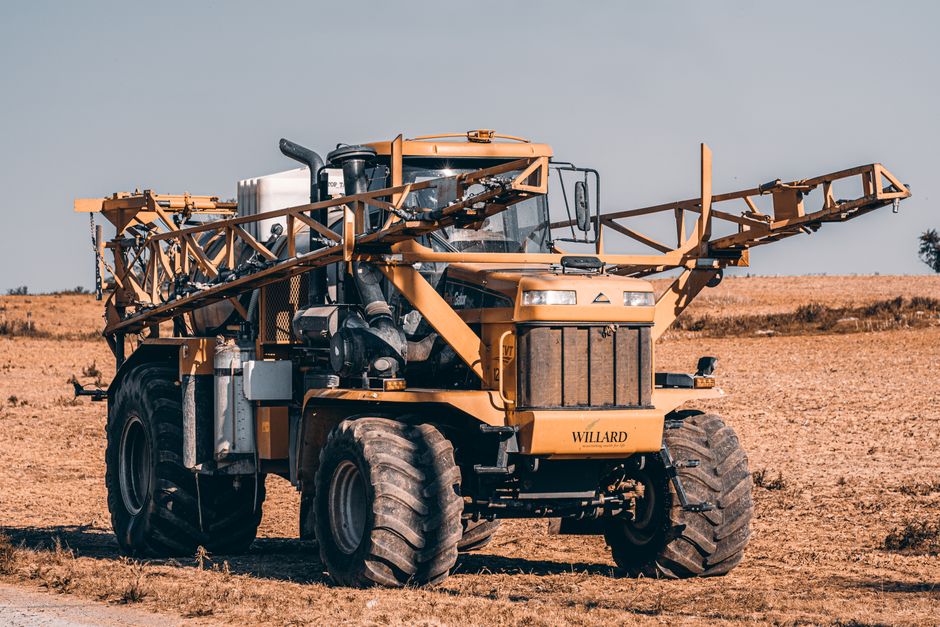
Variable Rate Technology (VRT) is no longer a luxury—it's a necessity. Sprayers in 2025 can adjust application rates on the fly based on prescription maps generated from satellite imagery or drone surveys. This ensures each part of the field gets exactly the right amount of input.
Our VRT systems use pulse-width modulation (PWM) nozzles that respond instantly to controller commands. The result is up to 30% reduction in chemical use without compromising efficacy. For high-value crops like vineyards and vegetables, this precision is critical.
B2B clients appreciate that VRT helps their customers comply with stricter regulations on pesticide use. It also provides data trails for reporting. We offer seamless integration with major farm management platforms.
4. Eco-Friendly and Low-Drift Nozzle Designs
Environmental concerns are driving innovation in nozzle technology. New designs minimize drift, ensuring that chemicals stay on target and do not contaminate nearby water sources or organic fields. Air-induction and venturi nozzles create larger droplets that are less prone to wind drift.
In 2025, we are introducing biodegradable nozzle materials and coatings that reduce clogging and extend lifespan. These nozzles maintain consistent performance across a range of pressures and speeds.
For exporters, offering low-drift nozzles helps customers meet local environmental regulations. It also reduces chemical waste, saving money. We provide comprehensive testing data to support your sales team.
5. Electric and Hybrid Powertrains
The shift toward electrification is reaching agricultural sprayers. Electric and hybrid models offer lower operating costs, reduced emissions, and quieter operation. Electric motors provide instant torque, improving responsiveness and control.
Our hybrid sprayers combine a small diesel engine for extended range with a battery pack for the main work. They can operate in electric-only mode for sensitive areas like greenhouses or near residential zones. Charging infrastructure is becoming more common, making adoption easier.
B2B buyers benefit from a unique selling point: sustainability. Many farms now prioritize green equipment for their corporate social responsibility goals. Electric sprayers also require less maintenance, reducing downtime.
6. Real-Time Data Analytics and Cloud Connectivity
Data is the new oil, and sprayers are becoming data hubs. In 2025, our sprayers come with built-in cellular modems that stream operational data to the cloud. Farmers can monitor spray volume, speed, nozzle performance, and coverage maps from their smartphone or tablet.
Advanced analytics flag anomalies, such as a clogged nozzle or missed spots, in real time. Historical data helps optimize future spraying schedules and chemical purchases. The system can even integrate with weather APIs to avoid spraying before rain.
For distributors, this connectivity means you can offer remote diagnostics and predictive maintenance. It strengthens customer loyalty and opens recurring revenue streams through software subscriptions.
7. Modular and Scalable Designs for Diverse Crops
One size does not fit all. The trend in 2025 is toward modular sprayers that can be configured for different crops, from row crops to orchards to vineyards. Our sprayers feature interchangeable booms, tanks, and pump systems that can be swapped in the field.
Scalability is also key. A single chassis can support a 500-liter tank for small farms or a 3000-liter tank for large operations. This reduces inventory complexity for dealers and allows end-users to adapt as their needs change.
We also offer retrofit kits for older models, extending their useful life. This approach appeals to budget-conscious buyers while still providing modern technology.
8. Enhanced Safety and User Comfort
Operator safety and comfort are paramount. New sprayers in 2025 feature enclosed cabs with carbon filters to protect from chemical inhalation. Air conditioning, ergonomic seats, and touchscreen controls reduce fatigue during long hours.
Safety systems include automatic shut-off if a leak is detected, collision avoidance radar, and rollover protection. These features are increasingly required by occupational health regulations in many countries.
As a manufacturer, we prioritize compliance with global safety standards. This gives your customers confidence and reduces liability. Comfort features also help attract skilled labor, which is a growing challenge in agriculture.
9. Compatibility with Drone and Satellite Imagery
Sprayers no longer work in isolation. They are part of an integrated ecosystem that includes drones and satellites. Our sprayers can import prescription maps from drone surveys or satellite imagery directly into their control systems.
This allows for spot spraying where drones have identified pest hotspots, saving up to 90% of chemicals compared to blanket spraying. The workflow is seamless: drone maps are uploaded via the cloud, and the sprayer executes the plan.
For B2B clients, offering this integration means you can sell both sprayers and drone services. It positions your company as a full-solution provider, increasing average deal size.
10. Aftermarket Support and Remote Diagnostics
Finally, the trend for 2025 is not just about hardware but also the ecosystem around it. Our sprayers come with a comprehensive aftermarket support package, including remote diagnostics, over-the-air firmware updates, and 24/7 technical support.
Using telematics, our service team can identify issues before they cause downtime. Parts are shipped proactively based on usage data. This reduces repair time and keeps farmers in the field.
For distributors, this means fewer warranty claims and higher customer satisfaction. We provide training and marketing materials to help you sell these service contracts. It's a win-win for everyone.