
Introduction
Selecting the right spraying equipment is critical for large-scale agricultural operations. Two of the most common options are boom sprayers and mist blowers. This comparison article will help you understand their differences, advantages, and limitations to make an informed decision for your farm.
Boom Sprayers Overview
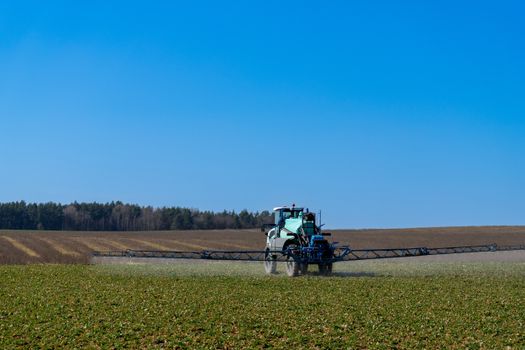
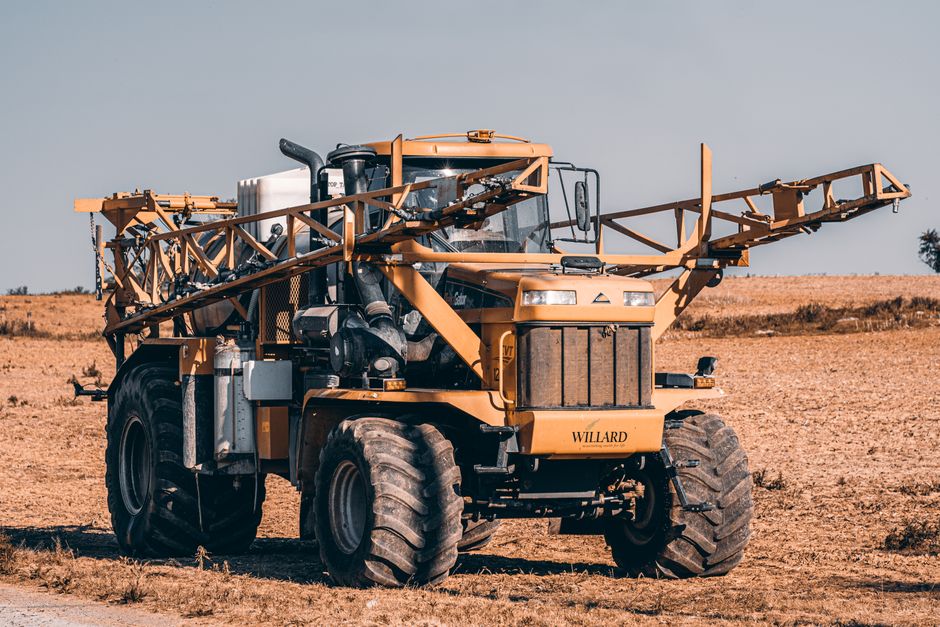
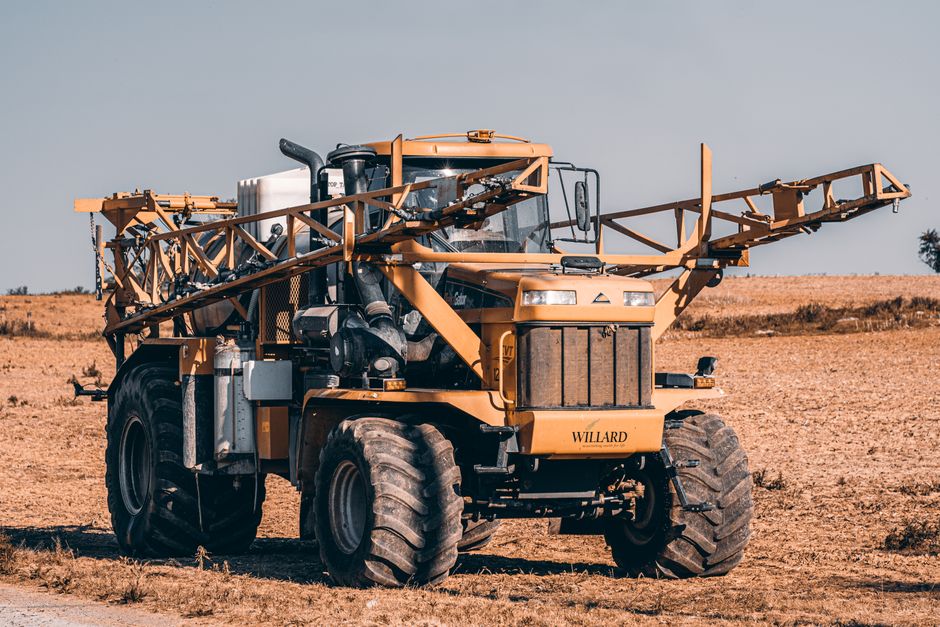
Boom sprayers are mounted on tractors or self-propelled vehicles and feature a horizontal boom with multiple nozzles. They apply liquid pesticides or fertilizers directly onto crops or soil in a controlled, uniform pattern.
Key Features
- Uniform coverage with overlapping spray patterns
- High application rates (10-50 gallons per acre)
- Adjustable boom heights and nozzle spacing
- Ideal for row crops like corn, soybeans, and wheat
- Less drift compared to mist blowers when used with proper nozzles
Mist Blowers Overview
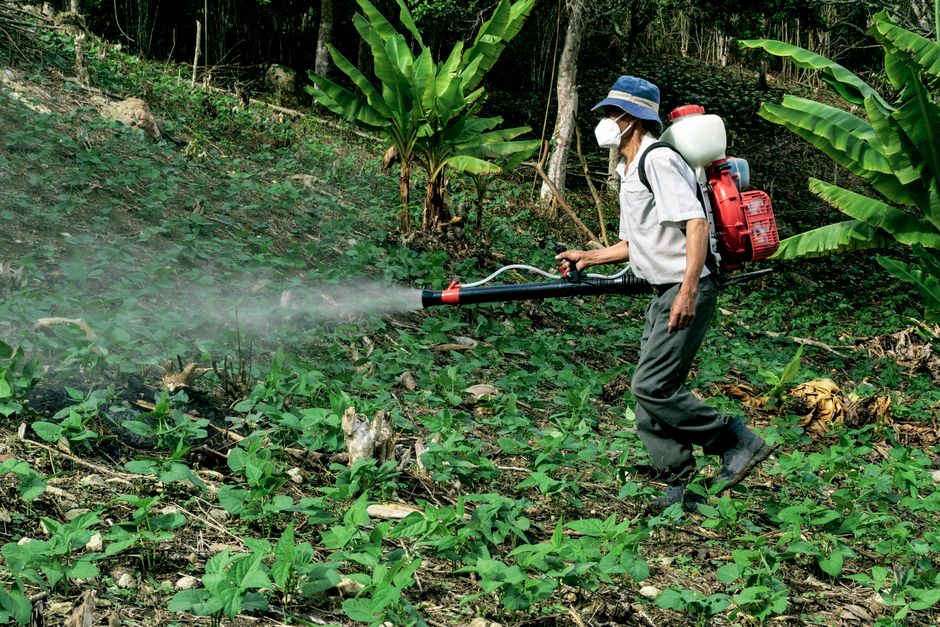
Mist blowers, also known as airblast sprayers, use a powerful fan to create a fine mist that is blown into the crop canopy. They are commonly used in orchards, vineyards, and tall crops.
Key Features
- Air-assisted delivery penetrates dense foliage
- Lower application rates (5-20 gallons per acre)
- Effective for tall crops and trees
- Can reduce water usage
- Higher drift potential due to fine droplets
Comparison Table
| Feature | Boom Sprayer | Mist Blower |
|---|---|---|
| Best for | Row crops (low-growing) | Orchards, vineyards, tall crops |
| Coverage pattern | Uniform, horizontal | Penetrating, vertical |
| Application rate | 10-50 gal/acre | 5-20 gal/acre |
| Drift potential | Low to moderate | Moderate to high |
| Water usage | Higher | Lower |
| Initial cost | Moderate | Higher |
| Maintenance | Simple | More complex (fan, engine) |
| Speed of operation | Fast on flat fields | Slower due to canopy penetration |
Advantages and Disadvantages
Boom Sprayer Pros
- Precise application with minimal waste
- Easy to calibrate and maintain
- Lower drift risk when using drift-reducing nozzles
- Wide range of nozzle options for different chemicals
Boom Sprayer Cons
- Not effective for tall or dense crops
- Requires flat terrain for optimal performance
- Higher water consumption
Mist Blower Pros
- Excellent canopy penetration
- Reduced water usage
- Effective for uneven terrain and tall crops
- Can apply both liquids and dry materials (some models)
Mist Blower Cons
- Higher drift potential, requiring careful weather management
- More expensive upfront and maintenance
- Less uniform coverage on flat fields
When to Choose a Boom Sprayer
Choose a boom sprayer if your farm primarily grows row crops like corn, soybeans, wheat, or vegetables. They are also ideal for large, flat fields where speed and uniform coverage are priorities. Boom sprayers are cost-effective and easy to operate, making them a popular choice for general farming.
When to Choose a Mist Blower
Opt for a mist blower if you manage orchards, vineyards, or tall crops like coffee or cocoa. Mist blowers are also suitable for hilly terrain where boom sprayers cannot operate effectively. If water conservation is a concern, mist blowers use less water per acre.
Cost Analysis
Initial investment for a boom sprayer ranges from $5,000 to $30,000 depending on size and features. Mist blowers typically cost between $10,000 and $50,000. However, mist blowers may reduce water and chemical costs over time. Consider total cost of ownership including maintenance, fuel, and labor.
Recommendation
For large farms growing row crops on flat terrain, a boom sprayer is the best choice due to its precision, speed, and lower cost. For farms with diverse crops including orchards or vineyards, or those on hilly land, a mist blower offers better penetration and versatility. In some cases, owning both types may be optimal for different seasons or crop types.
Conclusion
Both boom sprayers and mist blowers have their place in modern agriculture. Assess your specific crop types, field conditions, and budget to select the right equipment. Investing in the correct sprayer improves efficiency, reduces waste, and enhances crop yield.